
The Bus Shelter Dorset: Pride and Prejudice... Kind of.
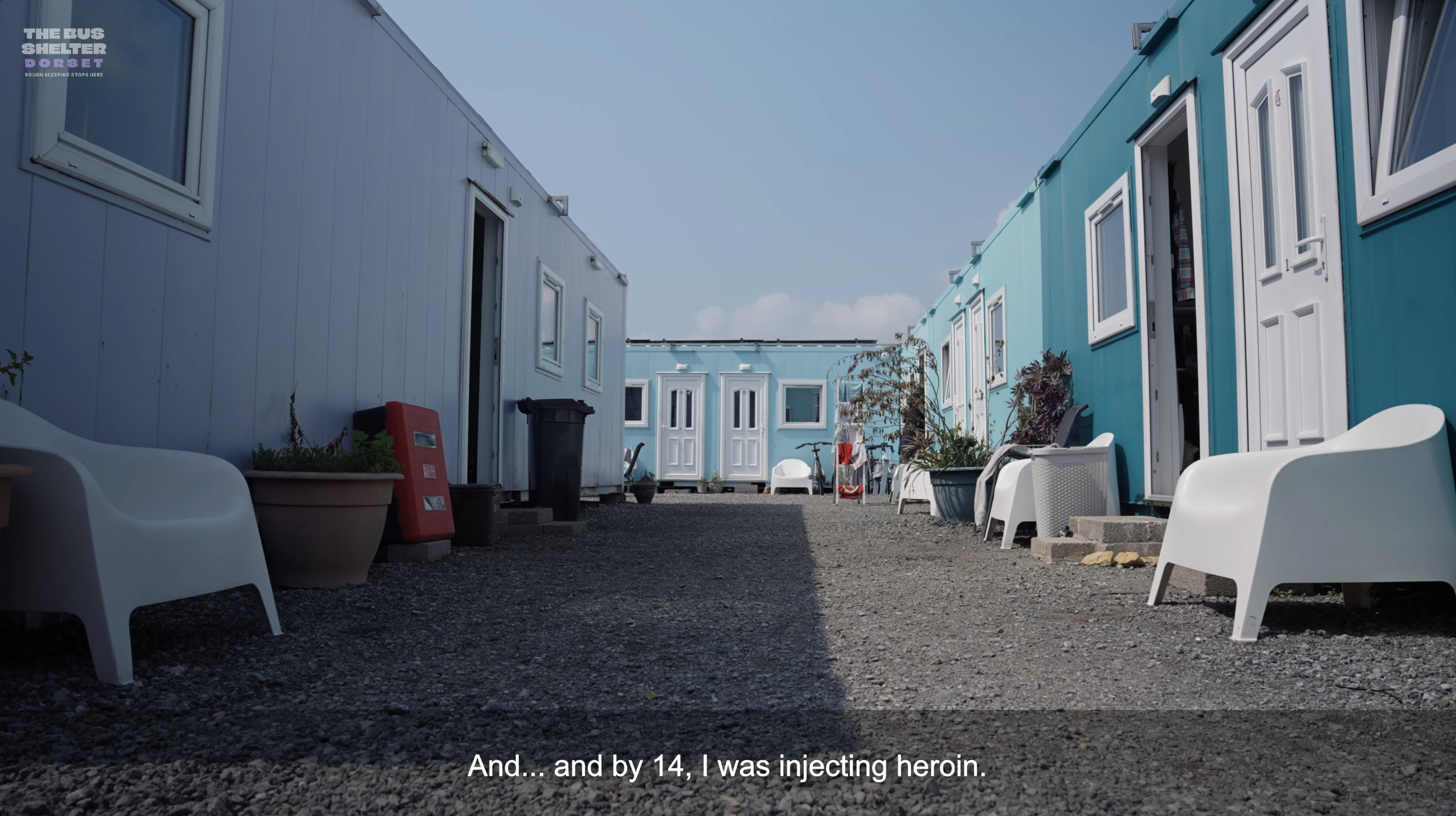
If someone told you that they’d been injecting heroin since the age of fourteen, what would you think of them?
Would it make a difference whether they were a family member, or a close friend – someone well known to you – or a relative stranger? Would it depend on whether you knew that this was out of character or not? Do we create exceptions, leeway, and reason it all away if it’s the right kind of person telling us this story? Our mother, our brother, our best friend, perhaps.The ‘surely not’s of society.
Perhaps we pause our judgement of those we’re closest to and save it instead for the strangers we pass every day and don’t acknowledge; the nameless, the unknown and untrusted – the ‘others’.
We’re a fickle bunch, all things considered.
I, for one, know that I have been swayed by a societal conditioning in the past. It just becomes a formula in our minds that we’re not even aware of after a while: that anyone sleeping rough was probably engaging in alcohol, drug or substance abuse – that anyone taking was a user. That these people were addicts, and that you they either needed saving from themselves or that they couldn’t be saved at all.
(Isn’t it funny to consider the way we use language without even thinking about it: drugs and substances are abused, not abusive. That people are users, implying action and active choice. To be an addict (label) rather than being addicted (an experience) – to be branded under labels that have gone on to hold so much stigma – limited to only existing within the parameters of that label.)
We assume that the body bundled into the sleeping bag in the shop doorway must be down-on-their-luck to say the least – using drugs, self-medicating with alcohol – that they’rehelpless, perhaps unwanted, and unable to contribute to society anymore.
Do we go so far as to say that they ‘take up valuable space’? That they are actually now a ‘burden’ to society? Are they ‘clutter’ in public places – an eye-sore. Or are they, in fact, a reminder that people are different? People that don’t follow the expectation, and force us into discomfort. Reminding us that, without even taking the time to talk to these individuals – these ‘pariahs’ - we are the ones who have conjured an entire narrative about these people, their backstory, and their worth based simply on our own prejudices.
Cue preproduction with The Bus Shelter Dorset.
It’s not just about putting a roof over someone’s head.
In some ways, that’s the least impactful thing that they do. And I’m going to explain why.
The Bus Shelter Dorset
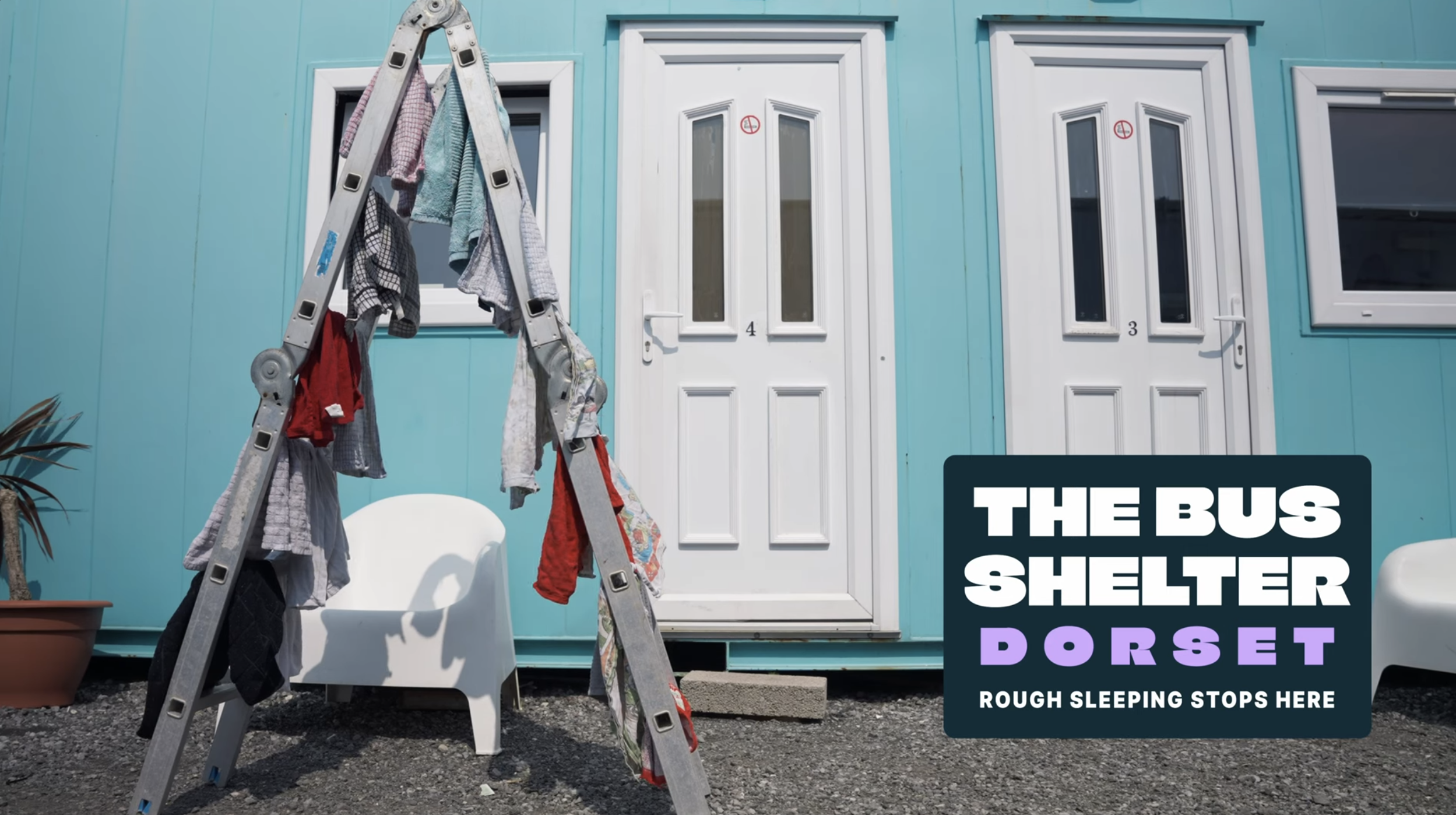
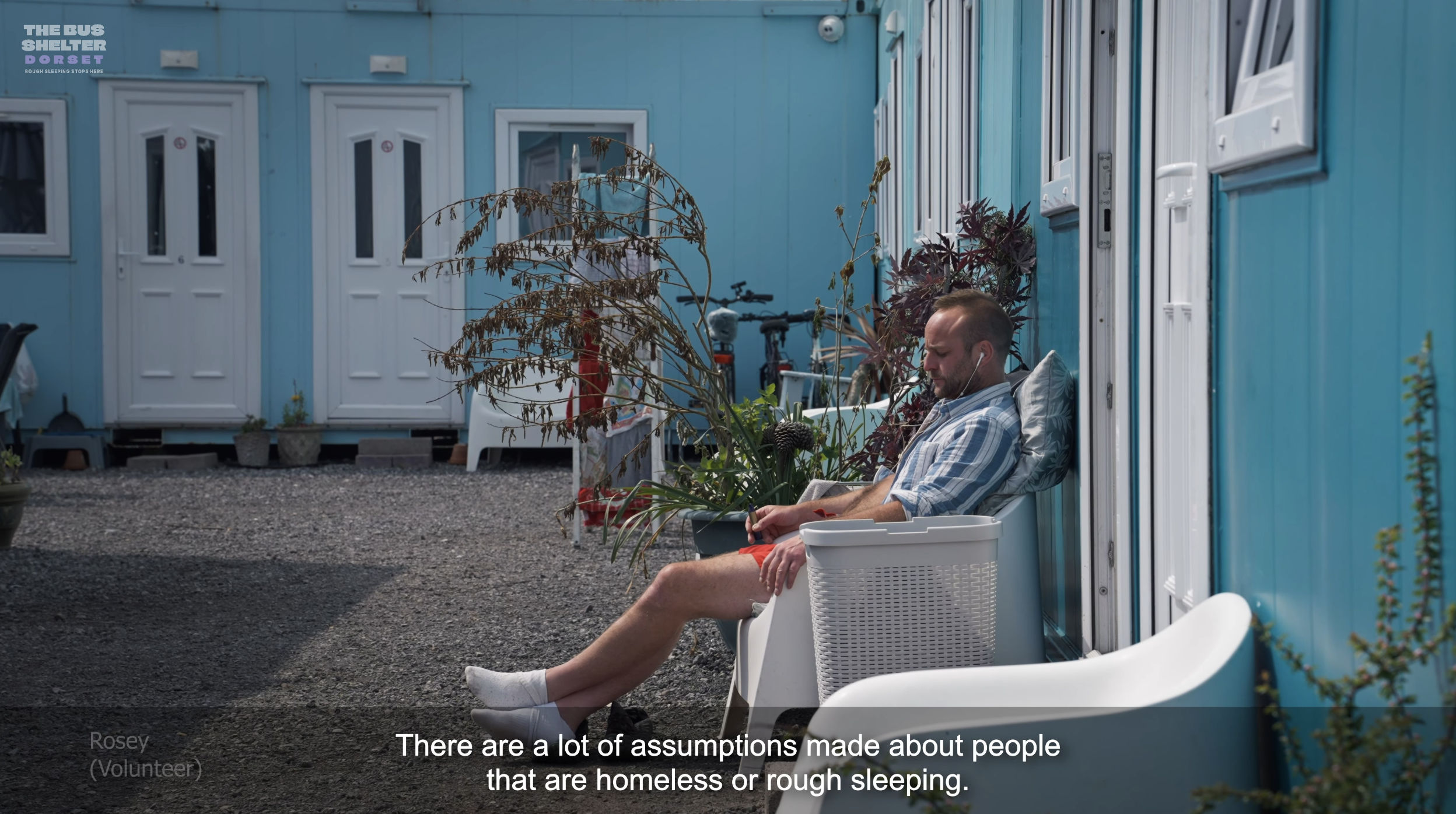
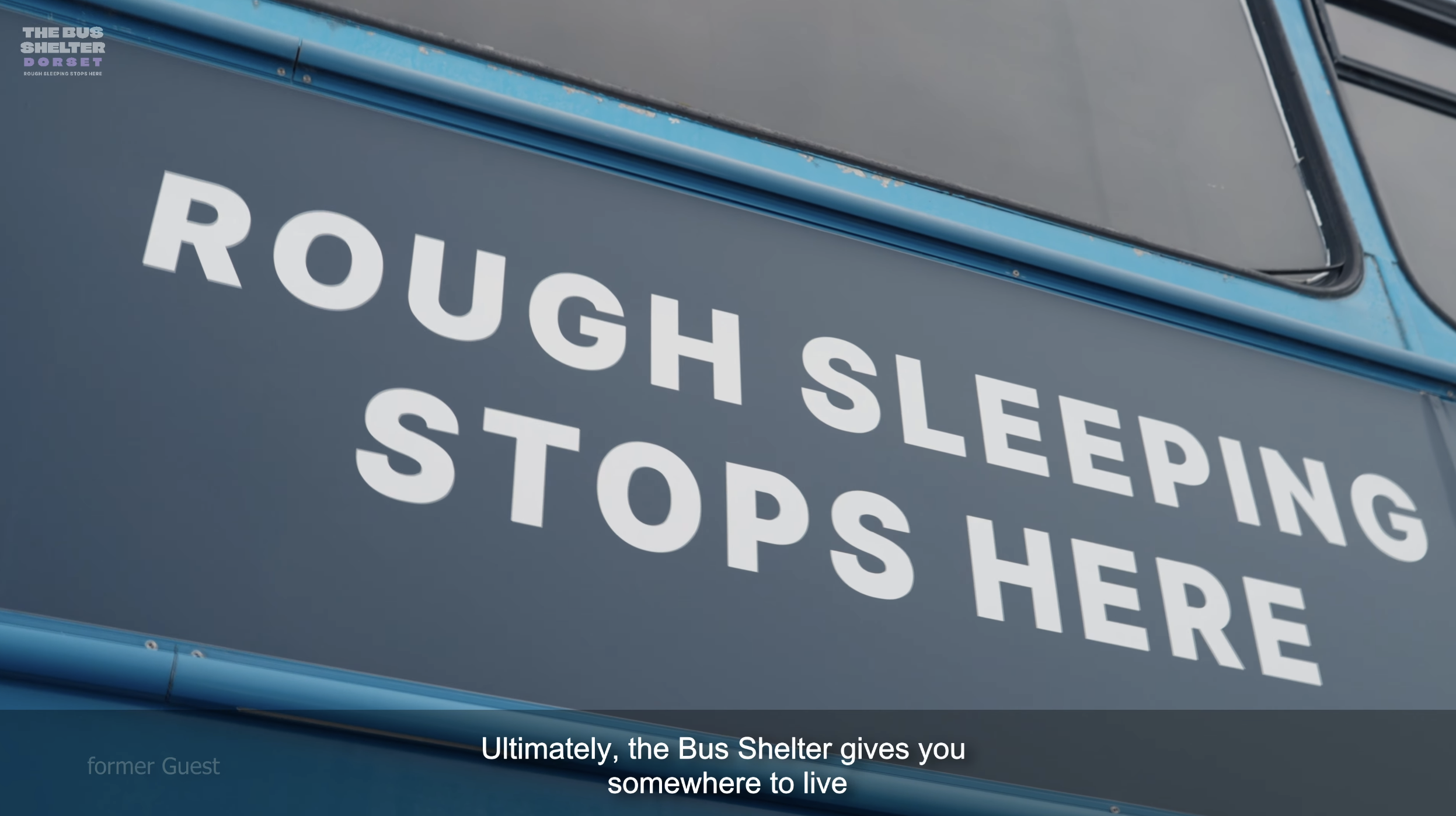
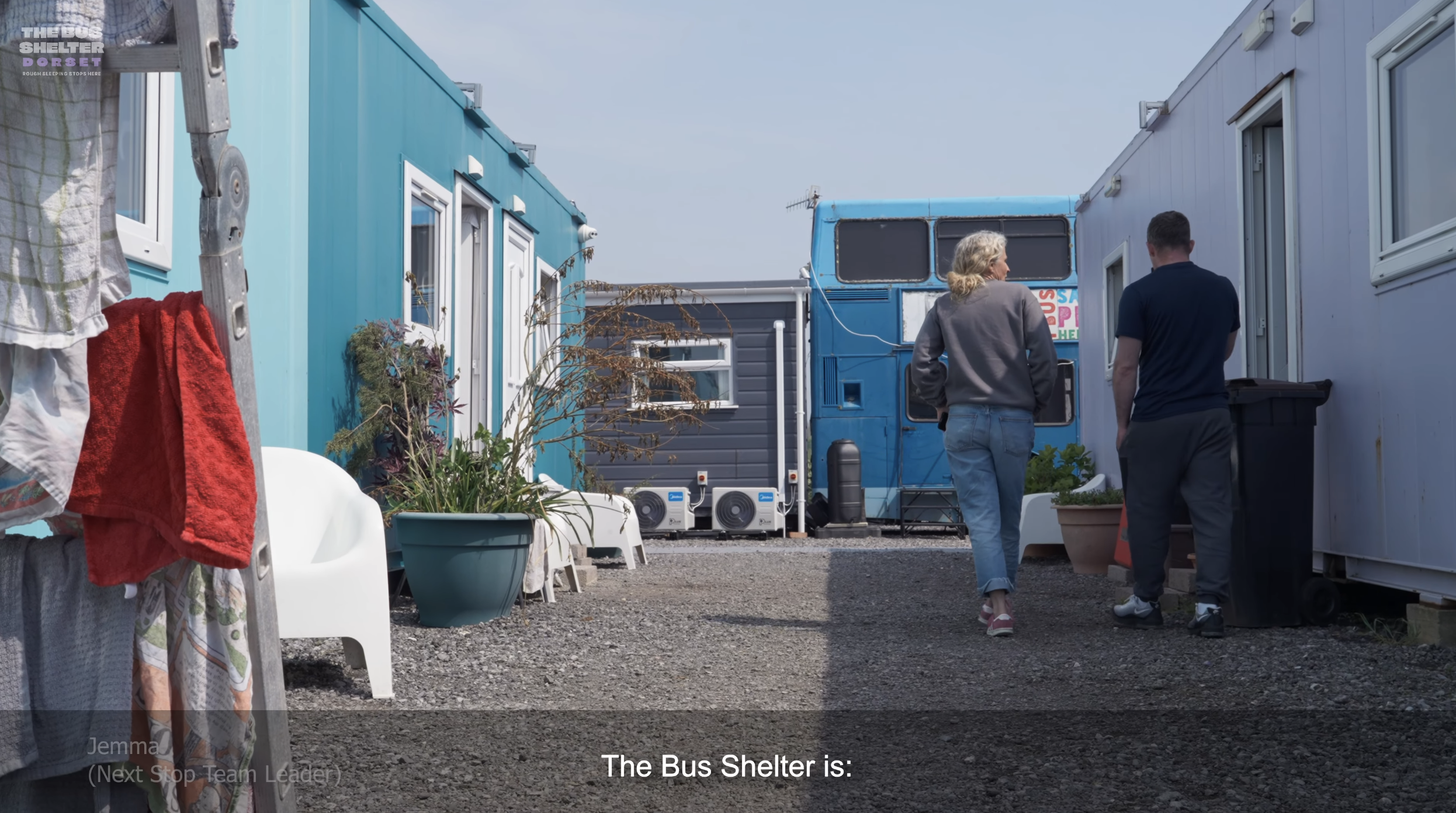
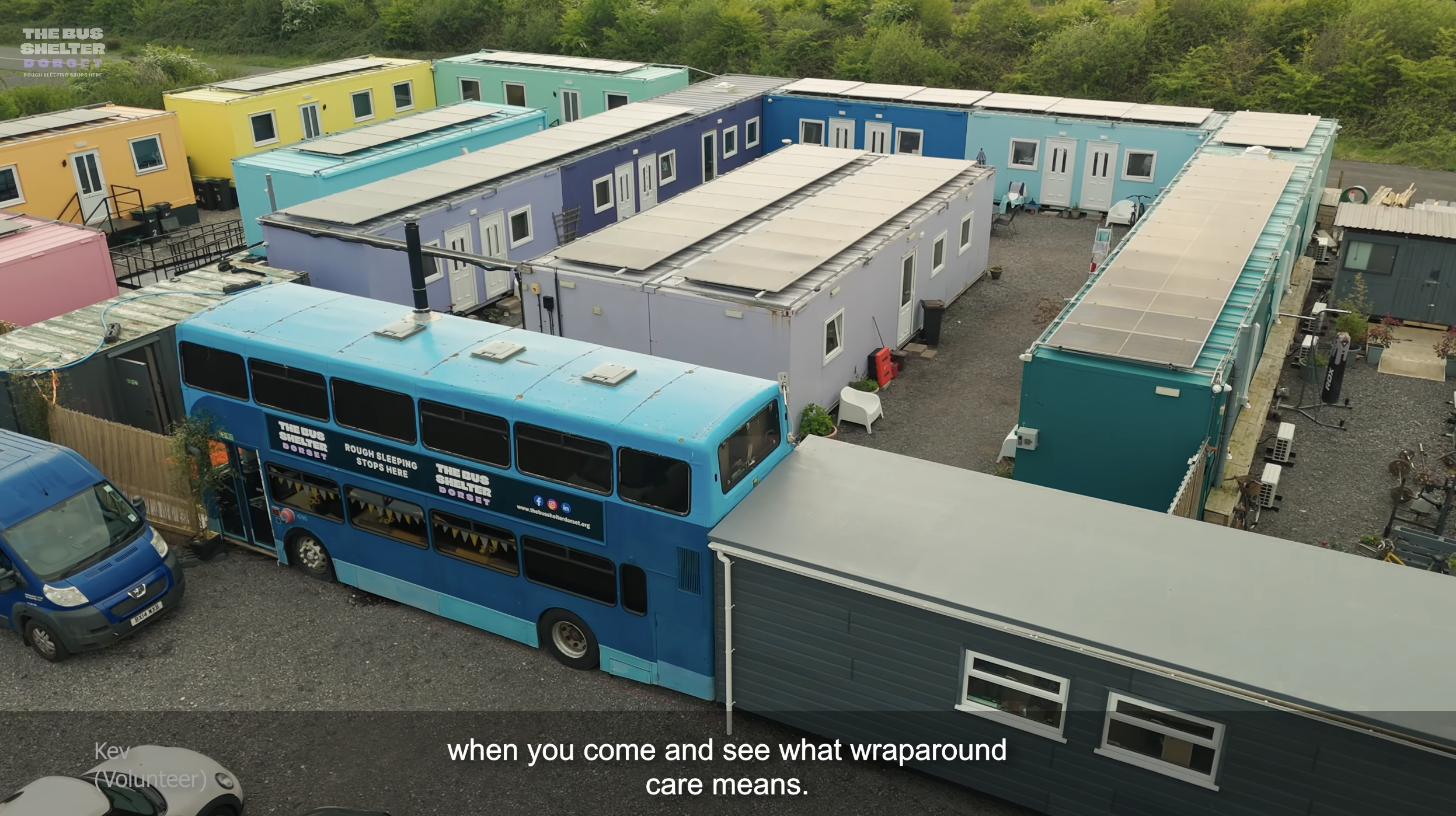
The Bus Shelter Dorset are a charity down in Dorset who house and help people who are enduring rough sleeping and similar situations. What’s so unique and memorable about The Bus Shelter Dorset is that they give people a home… on a double decker bus. Well, they did when they first started back in 2017. Amazingly, at the beginning of their project, the charity had space for 12-17 individuals to sleep in bunks on the bus. I’m really chuffed on their behalf to be able to say that they have since expanded – and in a way that will really make a huge impact. They’re able to house the same number of guests, but these individuals have come so much further than sheltering in a bus and resting their heads in bunk beds. When I visited in April last year/2025, the site had private rooms available, including some larger spaces for the long-term guests. In fact, this is actually something of a stepping-stone structure within the community, with newer faces starting out in the more modest rooms, and longer-term guests who have settled in taking the slightly more spacious units, and then – ultimately – to move out and move on, taking the next steps of their journey.
But to call them Guests almost does something of a disservice to these people here – they are guests, in as much as they are welcome and this isn’t a confining facility – this isn’t prison, and the site and the charity are not about restriction. But to call them guests almost implies that they are being catered to. The Bus Shelter Dorset does quite the opposite, and it’s even more rewarding than being handed everything on a silver platter. The Bus Shelter Dorsetdon’t peddle in sympathy; they built a charity and a hub down in Weymouth based on compassion. They are housing people, but they are dealing in respect, purpose, compassionand community. They are providing tools for people, not doing the job for them.
The buck doesn’t stop with The Bus Shelter Dorset for the people who find them and house there – people go to The Bus Shelter Dorset to find more. It’s such a gateway. Life begins at The Bus Shelter Dorset. They are helping guests to get back on their feet. One of the first things they can help with is setting up a bank account, meaning that guests can actually go and work (one massive aspect of the vicious cycle that affects so many homeless people – that they can’t go to work to earn money to improve their situation without a home and an address in order to start a bank account to earn the money…).
But I’m getting a little ahead of myself…
I’ll go on to tell you all about the charity in full swing in a moment and recall what it was to meet the guests and hear their incredible stories.

Pre-production
Firstly, I want to express my thanks to Help Film who put me in touch with The Bus Shelter Dorset in the first place. Help Film are a charity in their own right and facilitate other charities by giving them the exposure they need to spread their purpose and their ethos. Based on another charity I’d worked with called The Brigitta Trust, in Sussex, I was really touched that Help Film had liked what I’d done and had gone so far as to recommend me to The Bus Shelter Dorset – literally! They’d gone so far - to Dorset!
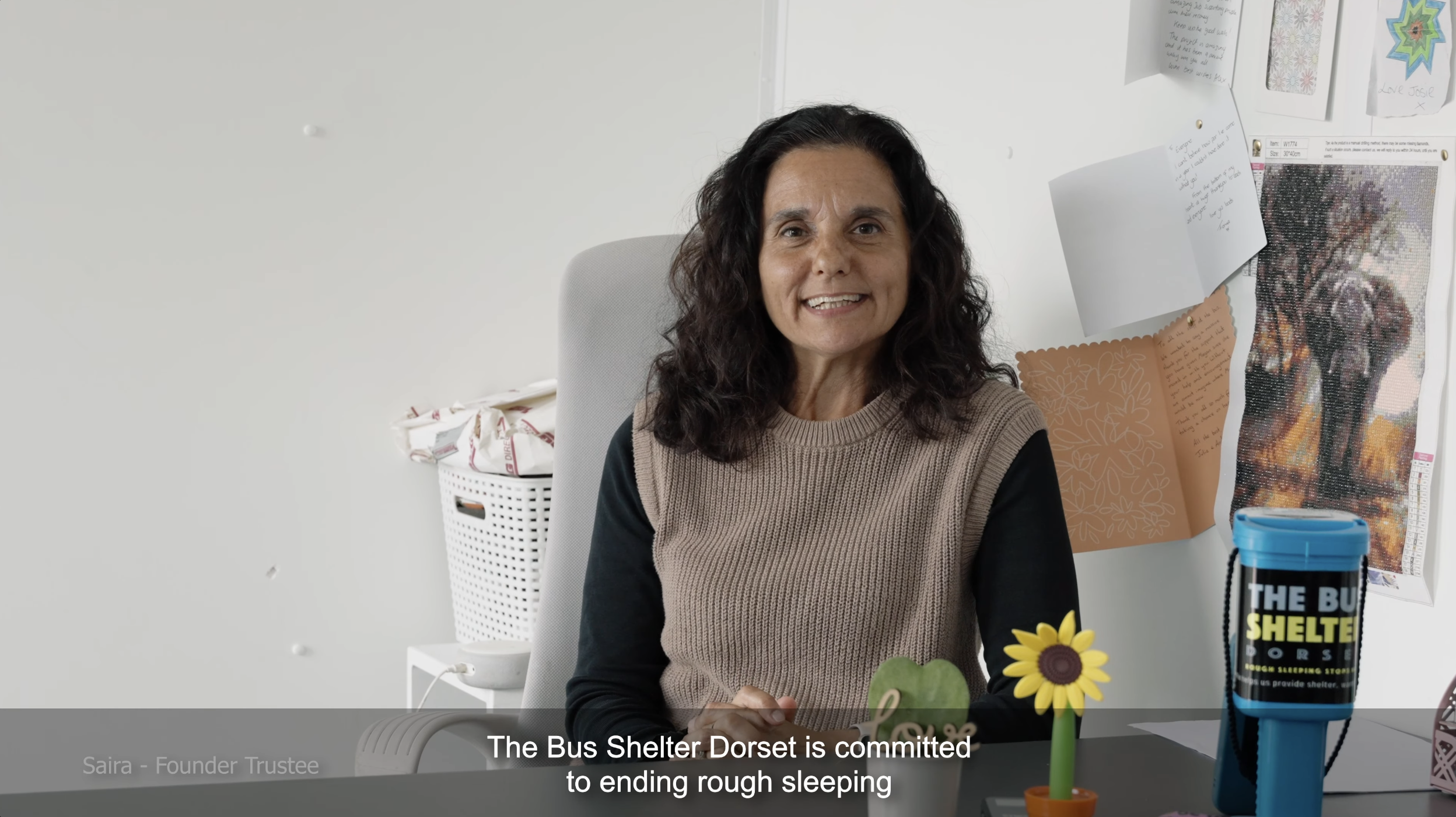
My point of contact with The Bus Shelter Dorset was a lady called Saira who is one of the Trustees. When we chatted about my visit, it became clear that Saira was really passionateabout this stigma I talked about, and finally giving the public a chance to see the people behind the prejudice. This video – a far more documentary-style than I’m used to – was about getting away from the common ‘pity-porn’ that we (unfortunately) associate with many charities appealing to the public (tell me you don’t get all warm and fuzzy and weepy over the monochromatic footage of the abandoned puppy they found down a well. See? Pity-porn).
First Impressions and Great Expectations
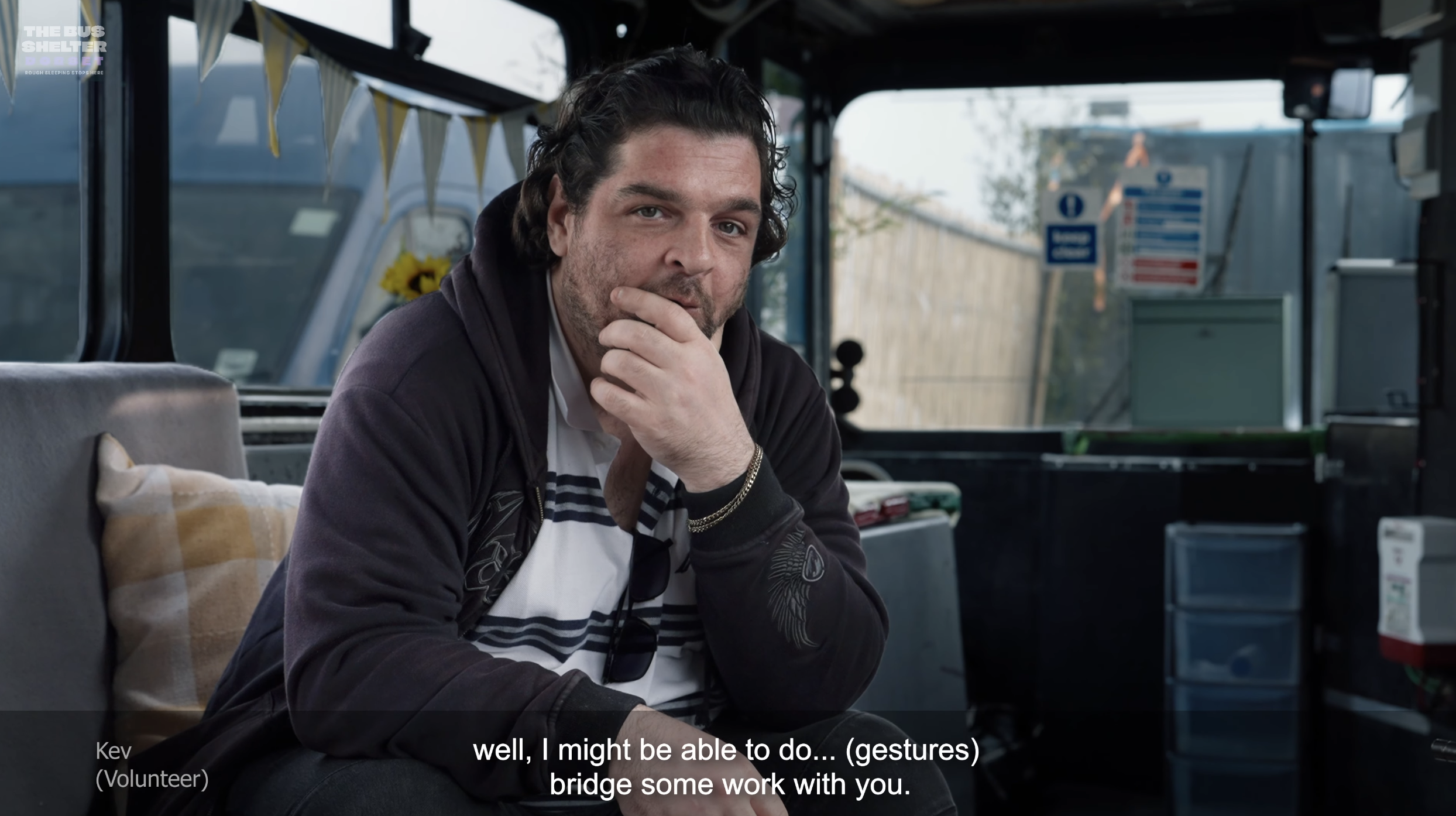
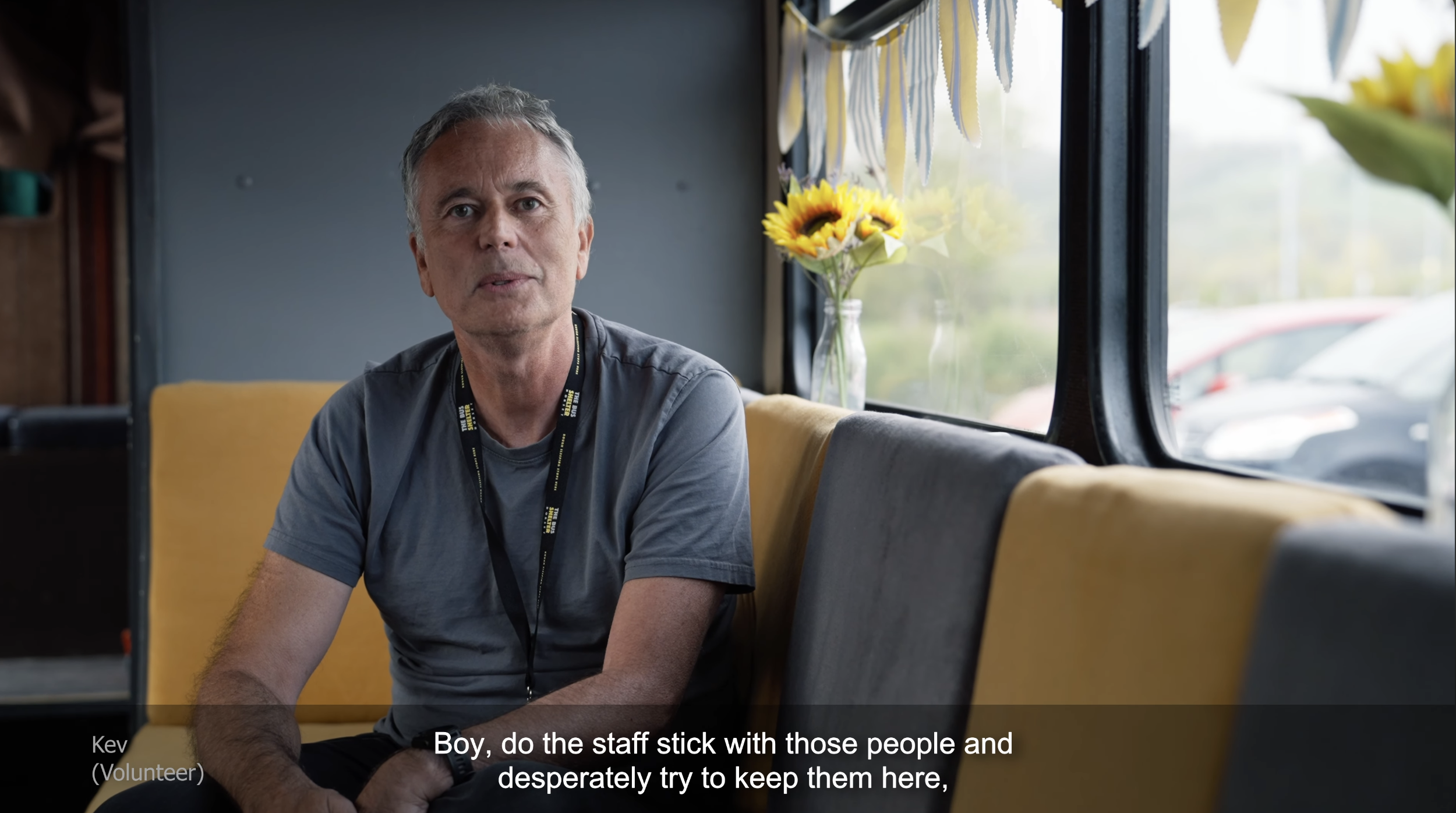
And as soon as I got down there and met the volunteers and the guests, it became obvious why they wanted to get away from this ‘victim’ mentality. These were living, breathing red-blooded adults. They didn’t need pity, they needed compassion. As all of us do. Everyone deserves to be treated like a human, rather than just a victim of circumstance. It isn’t about ‘them vs. us’ - they were really normal (whatever the hell ‘normal’ means, eh?) We had people who had normal jobs and who have had a life outside earning paying taxes and all the rest of it, and life has just bitten them and they've found it too difficult. That’s the only difference between us, at the end of the day. How hard we’ve been hit, and what we have togo through in order to get back on our feet. The Bus Shelter Dorset happens to help in the form of a roof over your head, helping with CVs, bank accounts, and getting you into the mindset to save and build a sustainable future for yourself. To be honest, we could all do with that kind of education, not just those of us who are rough sleeping and rehabilitating! These are fundamental life skills for all of us.
And what became even more obvious was that the guests were so much more than ‘guests’, as I’ve already implied. The Bus Shelter Dorset as a site was like a living organism, and depended on everyone there picking up a role and playing a part in their community – carrying gallons of water back and forth, back when the site first existed and showers and toilets were a lot more ‘off-grid’, through to being a supervisor for the allotment The Bus Shelter Dorset maintains, and everything in between.
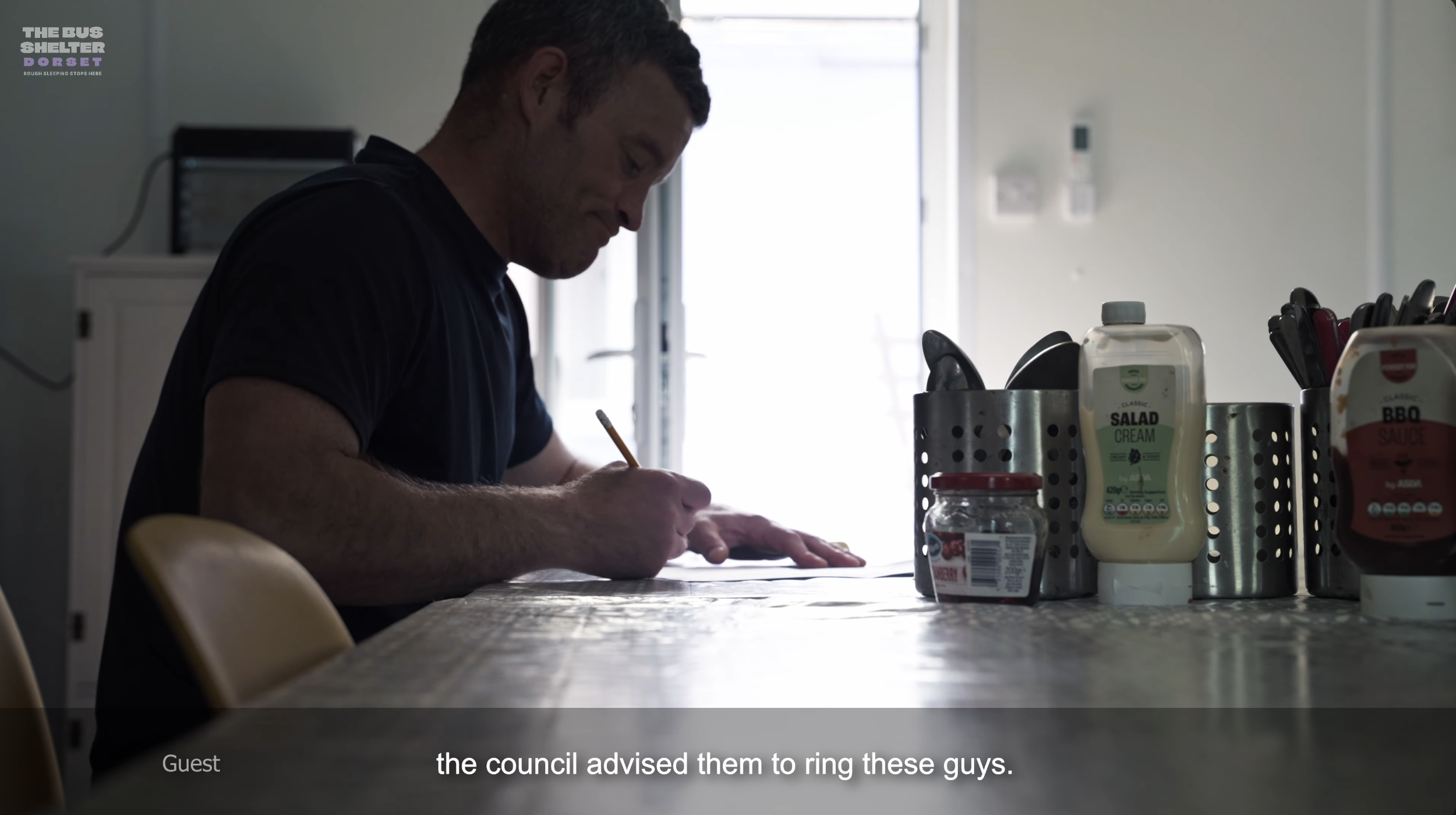
As I got a chance to meet various individuals there, I got chatting to people who were repairing and maintaining the accommodation (shipping containers in another life – very cool), and one guy who was cooking for his friends. People were happily immersed in their roles, happy to contribute – happy to be a part of something they got to shape themselves.
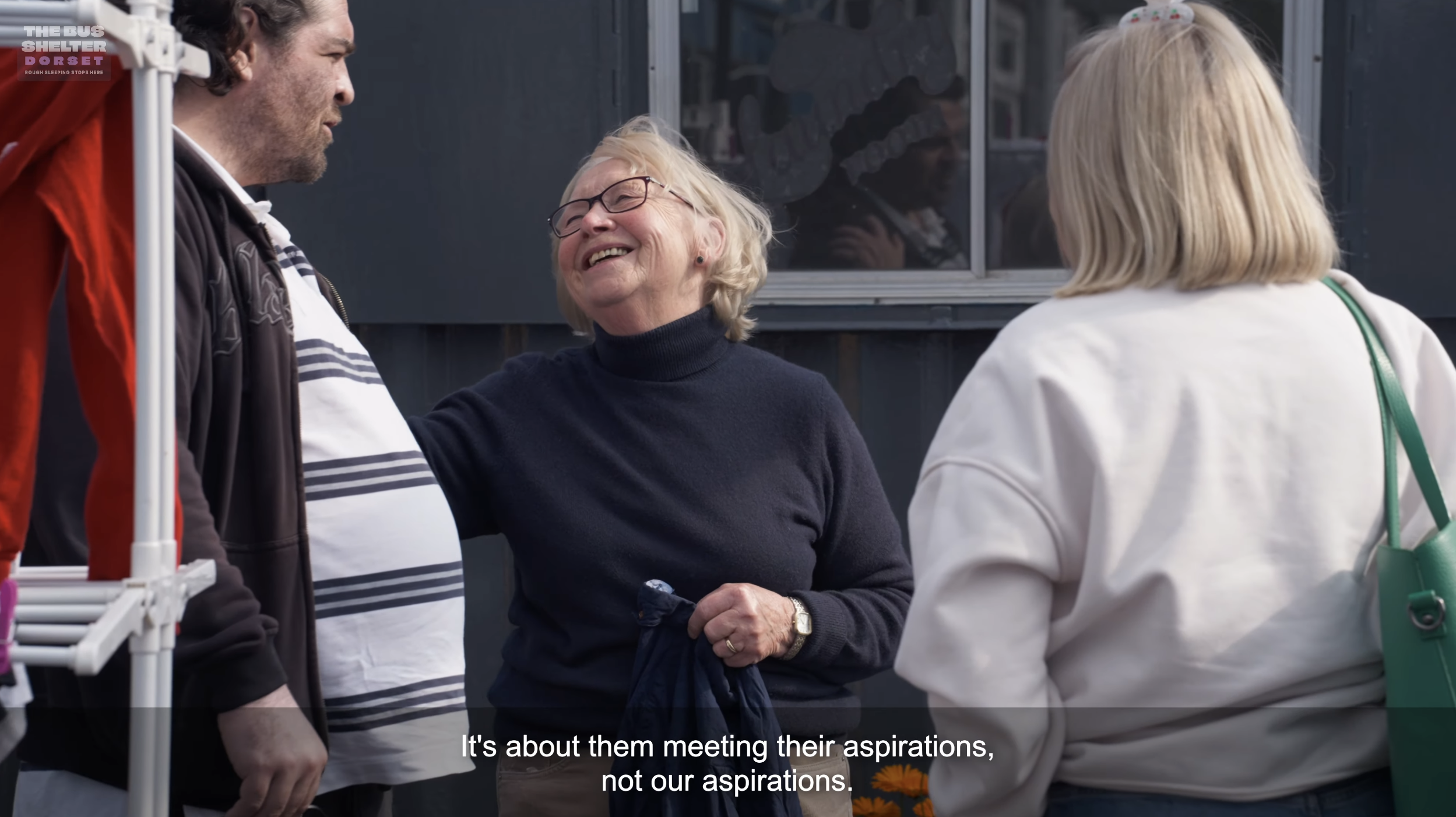
As with The Bus Shelter Dorset helping get people back into work, being employed in something productive (and being employed in general!) feeds the soul so much. They’verealised how important it is for these individuals but for everyone to have purpose, to have something that mentally stimulates them, that they can get passionate about, and that gives them back a huge part of their identity. As we all need. (I have friends who have stopped work to go on maternity leave and have their children, and really struggled losing that aspect of their lives and what makes them them). And this is the point – these are human issues, and all of us can experience them. This personal development is as much about reclaiming their passions as it is about rebuilding a relationship with wider society – to their own aspirations and standards, not by ours.
Sense and Sensitivity
Importantly though, I want to add that The Bus Shelter Dorset wasn’t all hustle and bustle. What’s really key is that it’s a home – and, in Saira’s own words, a haven – which means people have space and sanctuary. It’s not all about keeping busy and distancing yourself from having to think and feel about the past; it offers a safe space so that people can turn inwards and have that personal introspection.
As you can probably hear in my tone already, what excited me was that I got to immerse myself in this community – I was shooting over two days and staying in Weymouth – and that I was getting to tell a story that doesn’t come to light very often, providing a fresh perspective using real words from the mouths of real people. As a videographer, I imagine this is the equivalent of cooking a meal with produce you’ve hand-picked straight from the farm (maybe you even met the cow/chicken/soy bean). It doesn’t get much fresher and authentic than that. And that fact that The Bus Shelter Dorset was this rare mix of productivity and introspection meant that it was a place unlike many others, especially for me coming in and filming.
In terms of technical and professional considerations of the Shoot, a major one was that this was a highly sensitive situation. People didn’t necessarily want to talk or even be featured, and even ones who had agreed to be included reserved the right to change their mind at any time – which did happen. So, there was the sensitivity of the topic, the stigma, and the trauma that many of these individuals were experiencing or had come from, along with the need to be flexible and able to adapt at the drop of a hat. That you might be operating on your Plan C, instead of Plan A or even B!
Another thing I had to consider was that I was coming into such a community with lots of equipment. It wouldn’t have been advisable to leave it unattended, since this wasn’t a restricted facility – guests had the freedom to come and go, and members of the public were sometimes near the site (the site being located in the corner of a huge ‘park and ride’ car park). Not only that, but the site also saw visits from other rough sleepers outside of this community who didn’t necessarily agree with or want to get involved in what The Bus Shelter Dorset offers. Unknown people with unknown intentions raised necessary pause for thought, and I had to be mindful of myself and my equipment.
Crime and Punishment
For me, a huge take away from my experience at The Bus Shelter Dorset was just how normal it all was. So much of the time, the focus of the wider understanding of ‘homelessness’ homes in on all the wrong decisions, and how bad choices or bad circumstances land people in those situations – or, if you give them money, they’ll spend it on the wrong things (we’ve all heard that one, right?). But here I was, surrounded by really normal men and women who were chatting and keeping busy, and doing all the right things. It sounds stupid to say, but… it kind of takes a minute to get your head around that. I guess it’s just challenging the societal conditioning we’ve had, or the prejudices we hold.
So, it was nice to give those people a voice and to feel like I was representing the situation honestly and humbly. It wasn't a charity video about a three-legged donkey, designed to pull on the heartstrings and get you to part with £2 a month in exchange for an adoption pack and a fluffy three-legged teddy (these guys don’t need adopting, thanks very much!). This video was about showing the anguish, the human experience, and also the optimism that so many people have found through charities like The Bus Shelter Dorset. There is a light at the end of the tunnel, and I think instilling hope is an important take away from this video and this project. I liked showcasing the hope around a charity and a purpose rather than just focusing on the potential ‘poor me’ attitude.
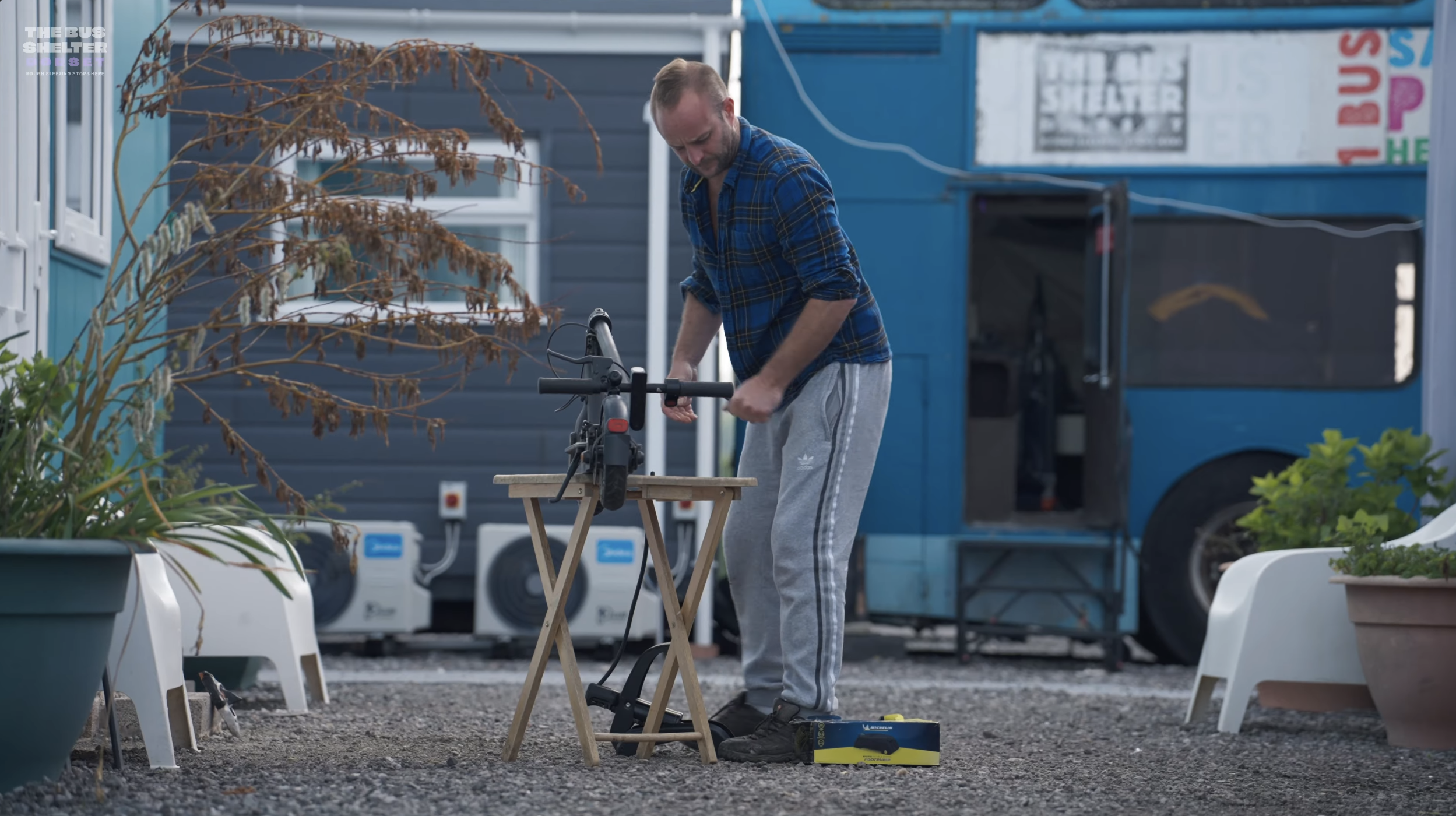
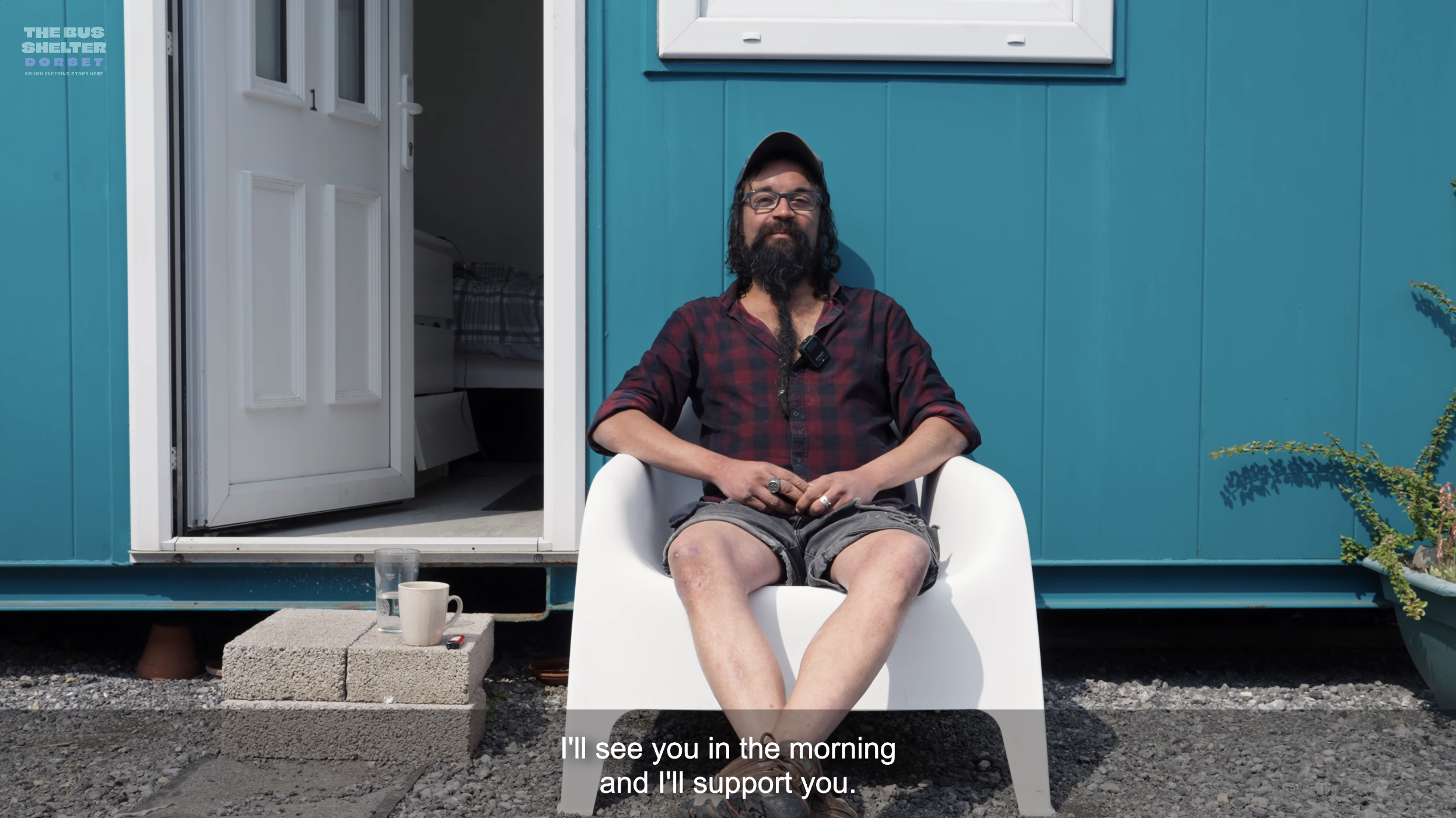
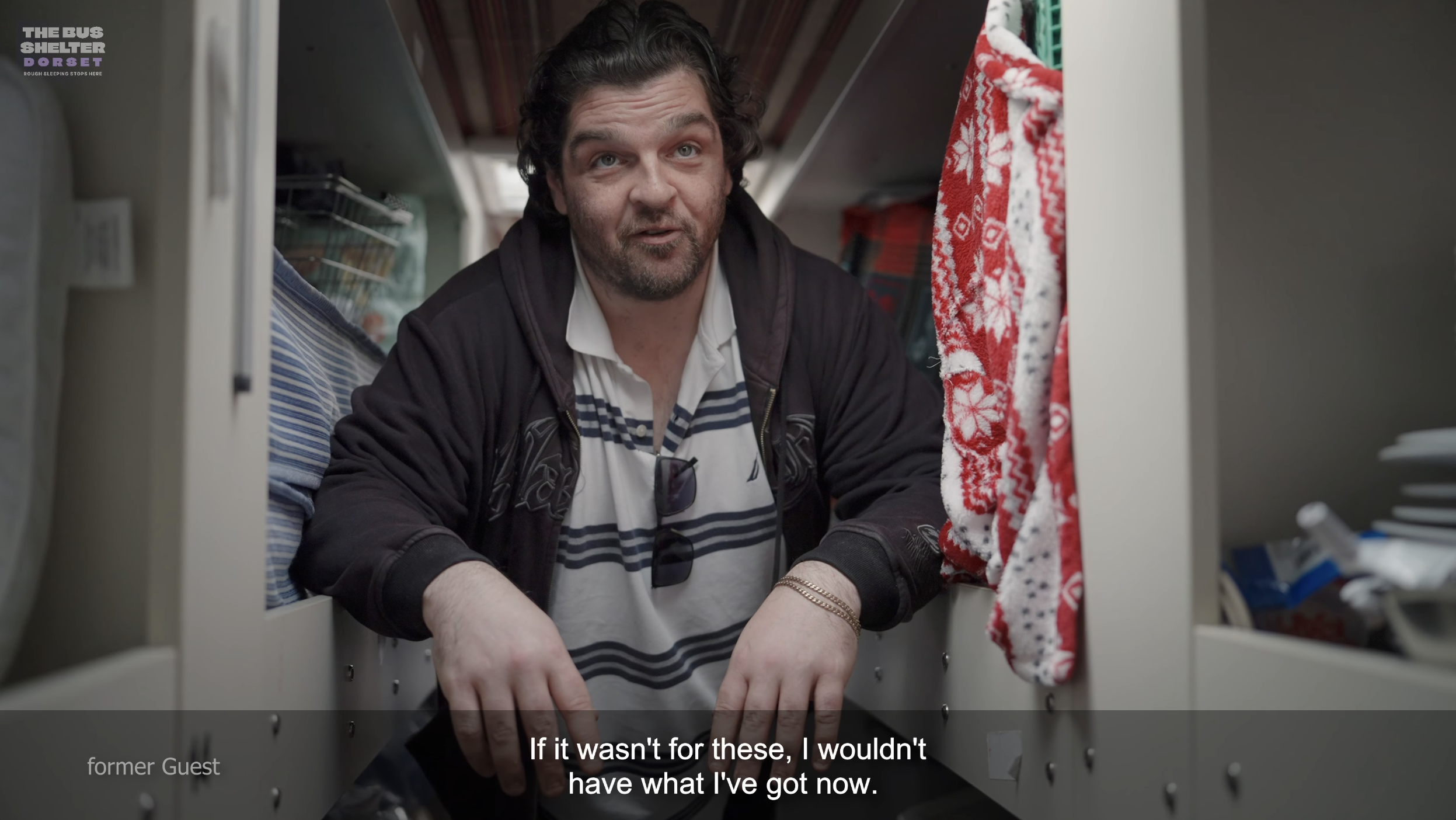
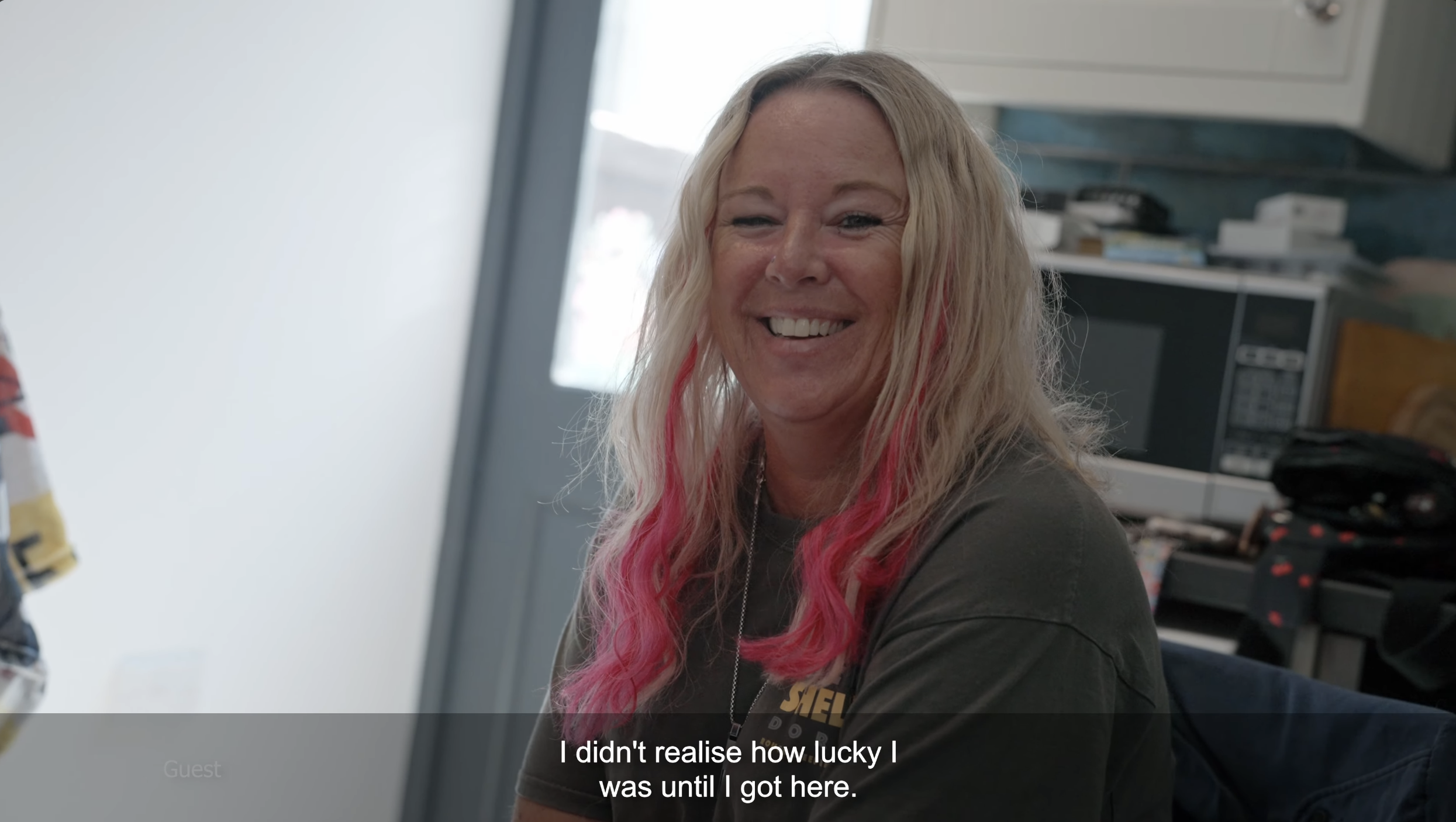
I was invited into the rooms – the homes - of the guests. I got to talk easily with a lot of them, just hanging out with them while they went about their business – one guy was fixing a scooter, just like I might do at home in my shed. Not only that, but the fact that with some of them we were uncovering some immensely personal and vulnerable moments, asking guests to reveal their private lives and trust in me that I was going to handle that information sensitively... I want to say thank you. There is SO much footage that didn’t make the cut on the final video (as always – how do you fairly condense two days worth of shooting into a 4.5 minute video? You can’t). But to the people who spoke to me and shared their stories, and to everyone – guests and volunteers alike – who welcomed me into their community and safe haven – thank you, and I’m sure The Bus Shelter Dorset’s future guests would thank you for your courage in sharing, helping to reach out to others.
Brave New World
Creatively, every Shoot offers me something new – not to mention different micro-moments that give me pause for thought. From my time with The Bus Shelter Dorset, and diving into this more docu-style approach, it really highlighted the journey you go on with long-form footage. Some of the interviews I got were 45 – 50 - 60 minutes – even over an hour. And yet the peak of the emotional story might hit in the last 5 minutes – the part of the story that encapsulates the whole 45 minutes leading up to it – a revelation, maybe a tear – a moment of catharsis – you wouldn’t get that if you hadn’t gone on the whole 50 minute journey with them. You wouldn’t witness that if you hadn’t let somebody open up in their own time. With this creative process, I guess what I’m trying to say is that it ended up being so much more than just pointing a camera.
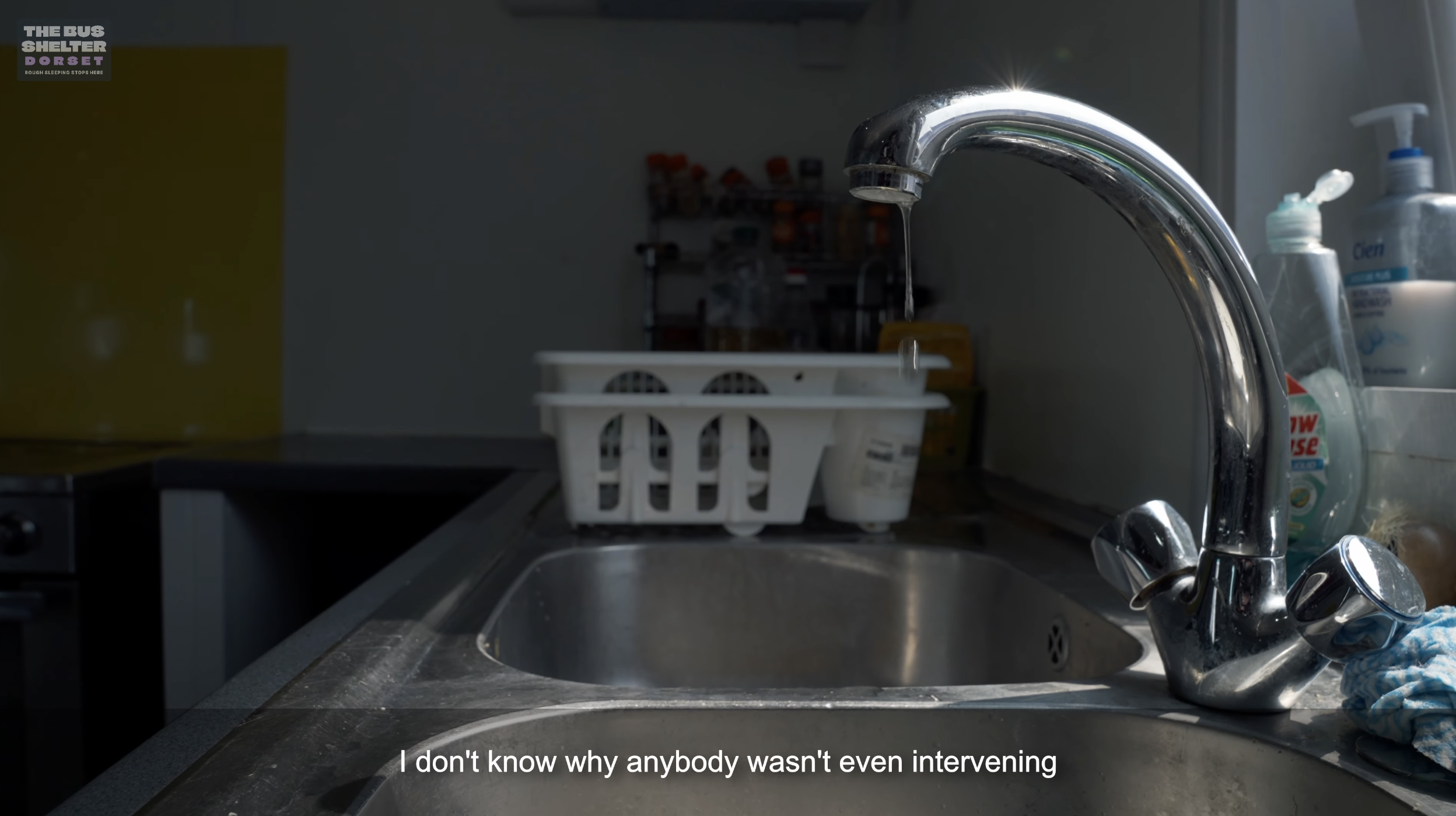
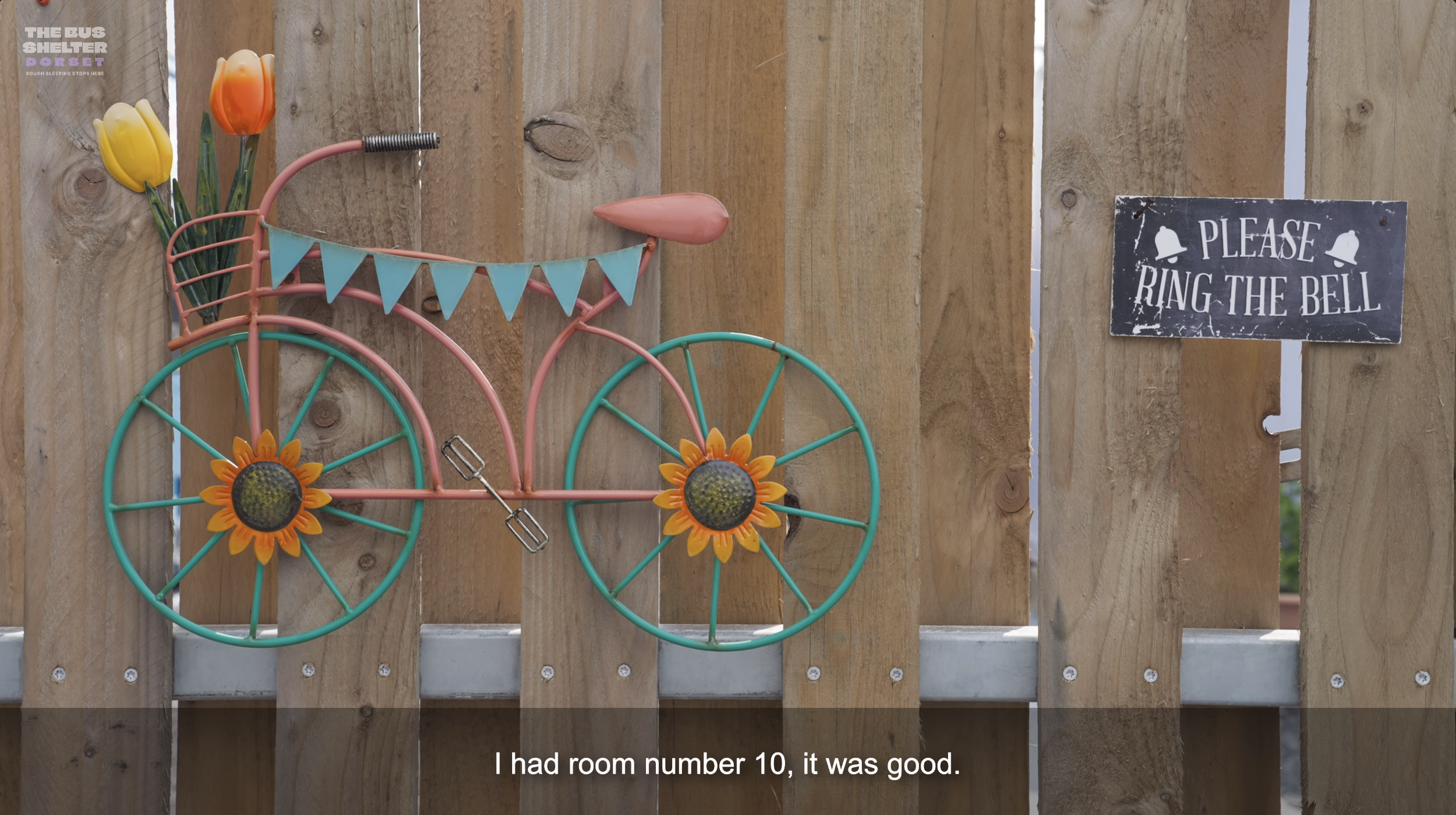
(A micro-moment I loved on this Shoot was the shot of the dripping tap early on in the video. Believe it or not, I had to fight for that shot to stay in the final cut. Gemma, one of the volunteers and an absolute ray of sunshine in human form, wasn’t sure about showcasing a dripping tap – what would that say about the facilities? Did it really add anything to this video full of really emotive, human experiences? This was another example of creative decisions, and doing more than just pointing a camera and clicking record. To me, that tap was a ready-made metaphor; because life isn’t perfect. We all drip (stick with me…). In The Bus Shelter Dorset, as in life, we do the best with the tools we have. And that drippy tap was beautifully imperfect, and a sign that here were people doing the best with what they have. Soppy, maybe… but I liked that I appreciated their ethos enough to see the synchronicity and realise there was more to it than met the eye. Like them.).
Through the Looking Glass
SO. What was the point here, and what did I take away from it, considering I’m a videographer and not paid to be a Philanthropist…
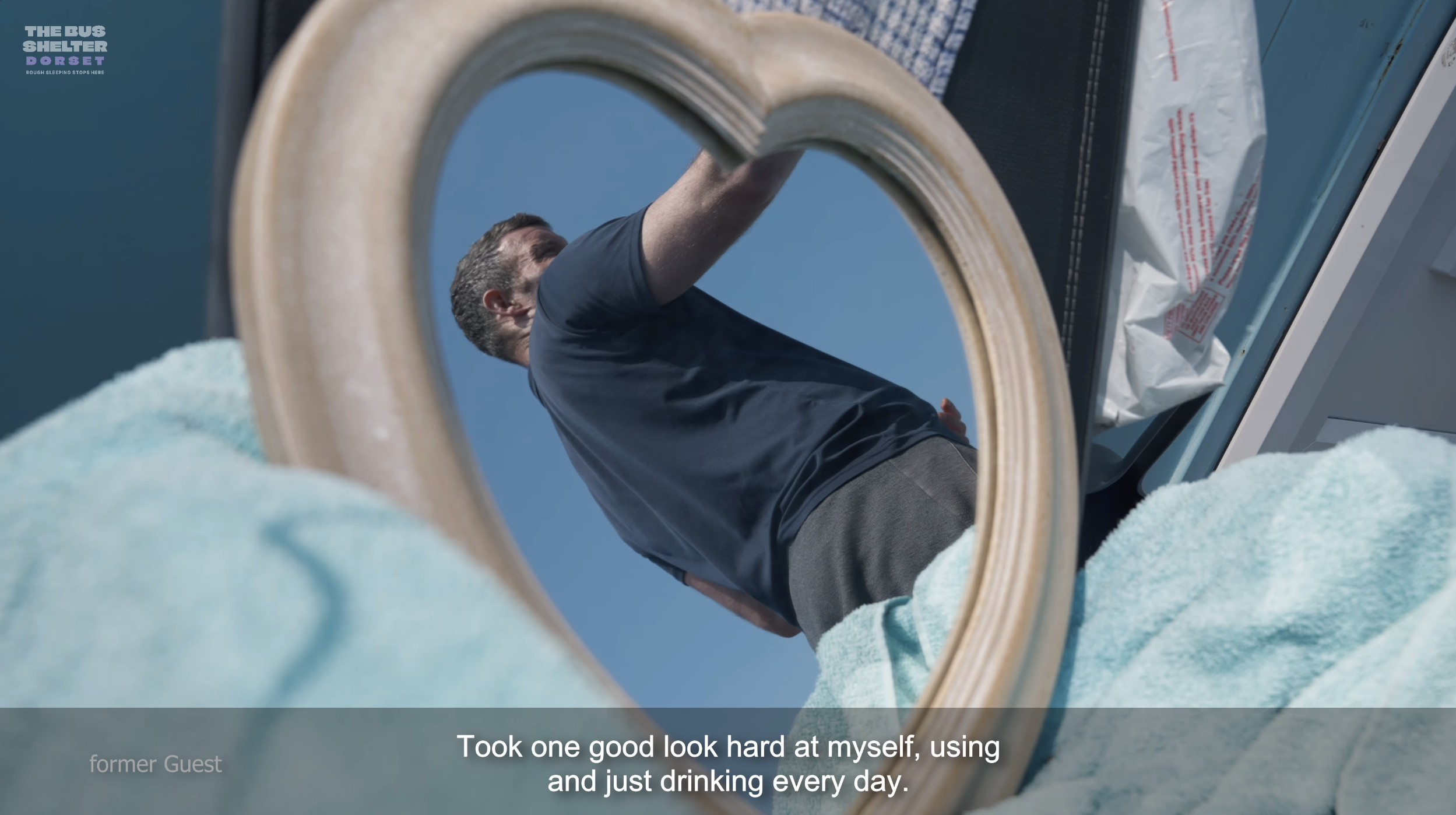
It's very transparent work. It's very honest. It's something that makes people who watch it look inwards and consider their own disposition and their own prejudices and bias. I always ask people what they would want a video to do - if it could do one thing, what would that one thing be? And one of the ladies who I interviewed had said they want to change the public's perception of what it is to be rough sleeping and homeless. And I think it absolutely does that. It doesn't show people who have given up, it doesn't show people who are abusing every day, it doesn't show people who you know don't want to live anymore - it shows people who are trying and they're seeking help and counsel about their life situation. They’re being proactive. And if you’re prepared to own your past and grow from it rather than let yourselfbe defined by it, then you’re definitely not a ‘burden’ to society. Nor should you be treated like one.
Helping uncover what’s raw and vulnerable and completely authentic - I think that'ssomething that I wouldn't mind doing more in the future. I've definitely felt this is more of a sort of documentary rather than a showreel and actually it humbled me as well. Hats off to Louis Theroux for doing this all the time.
(Blimey, that was a bit deep. You get more bang for your buck with these videography articles. God, we wrote a lot on this one... Practically War and Peace. Move over, Tolstoy...)
(No, this has to stop now).
(Too much of a good thing and all that).