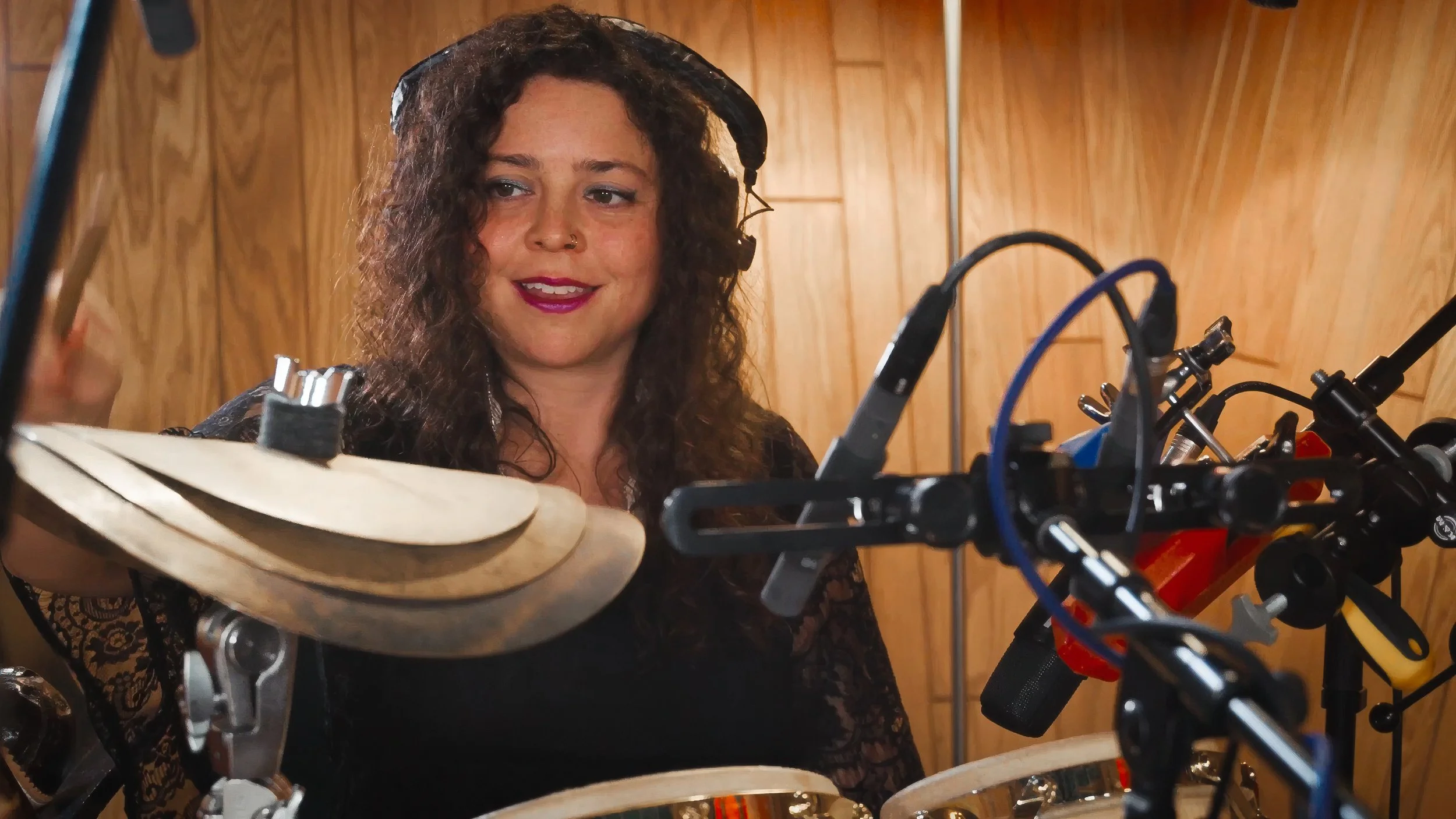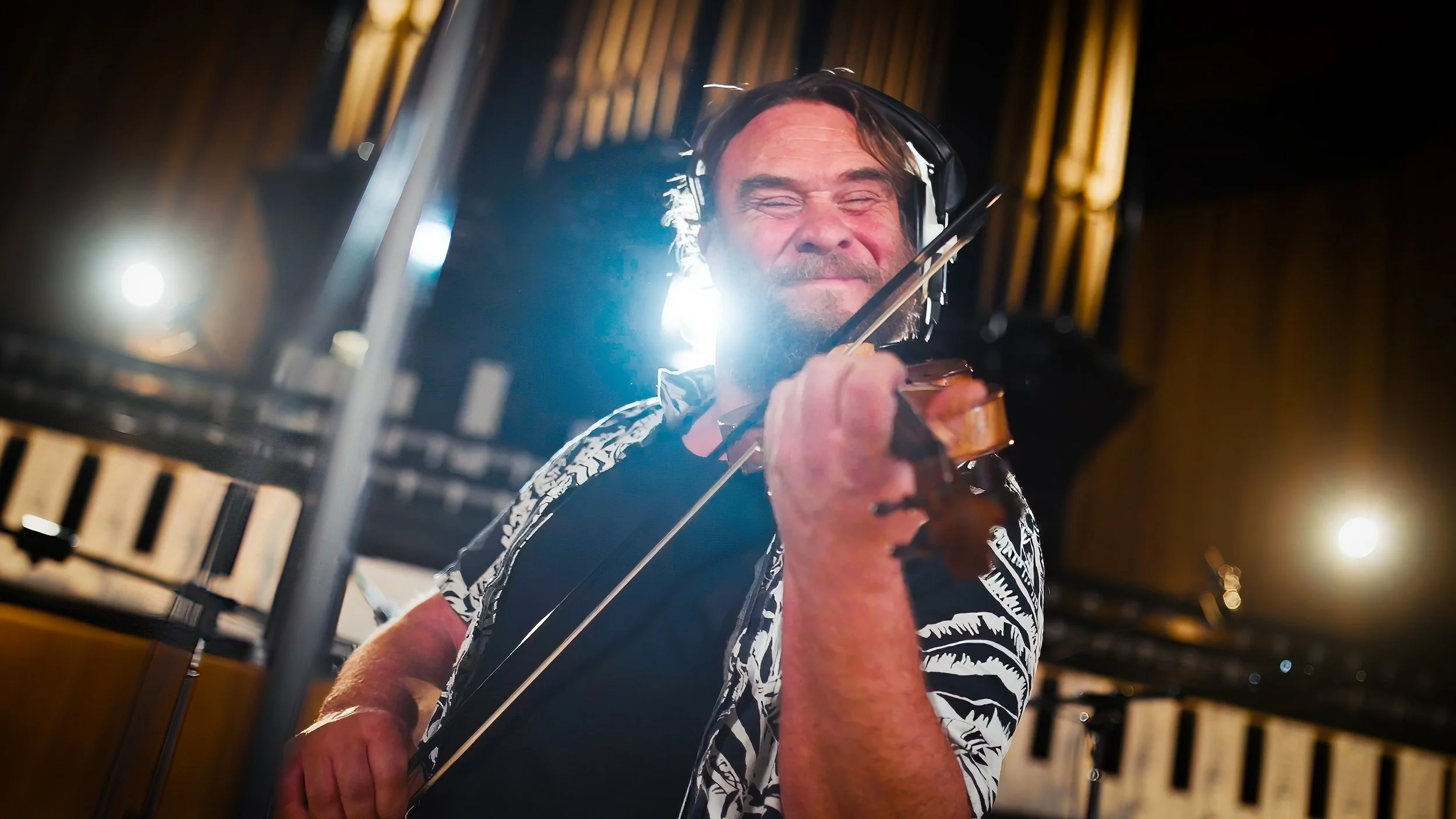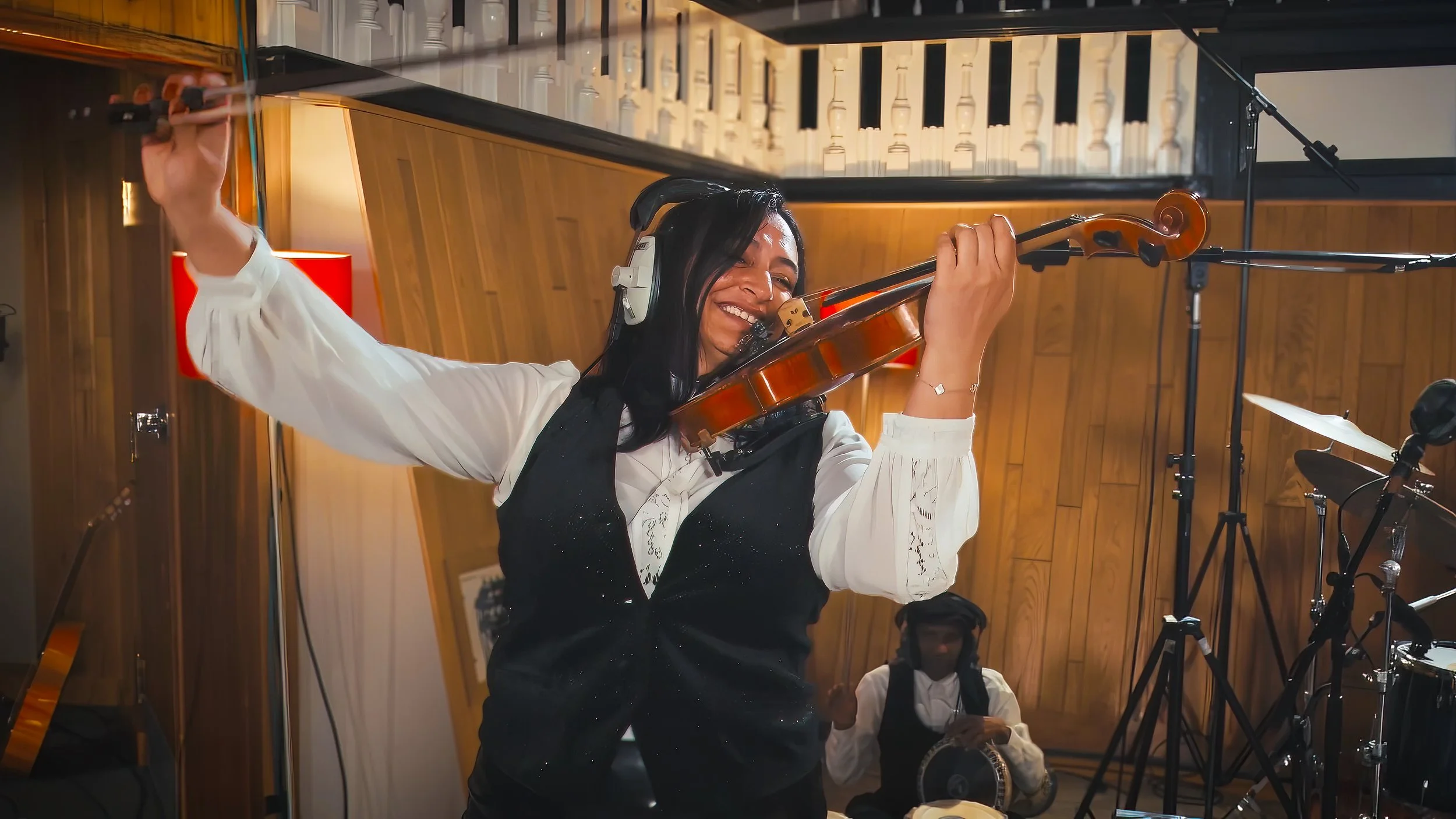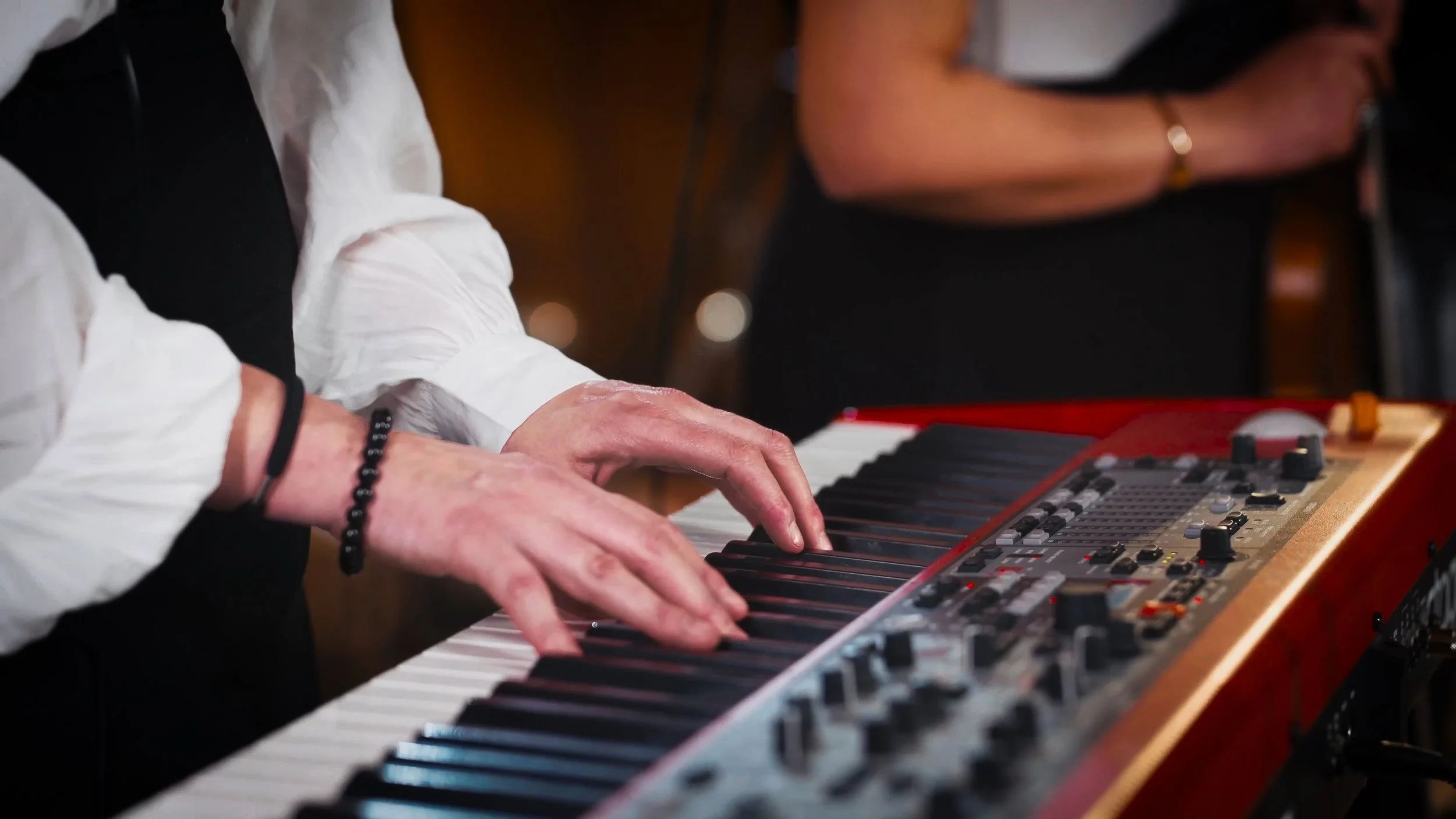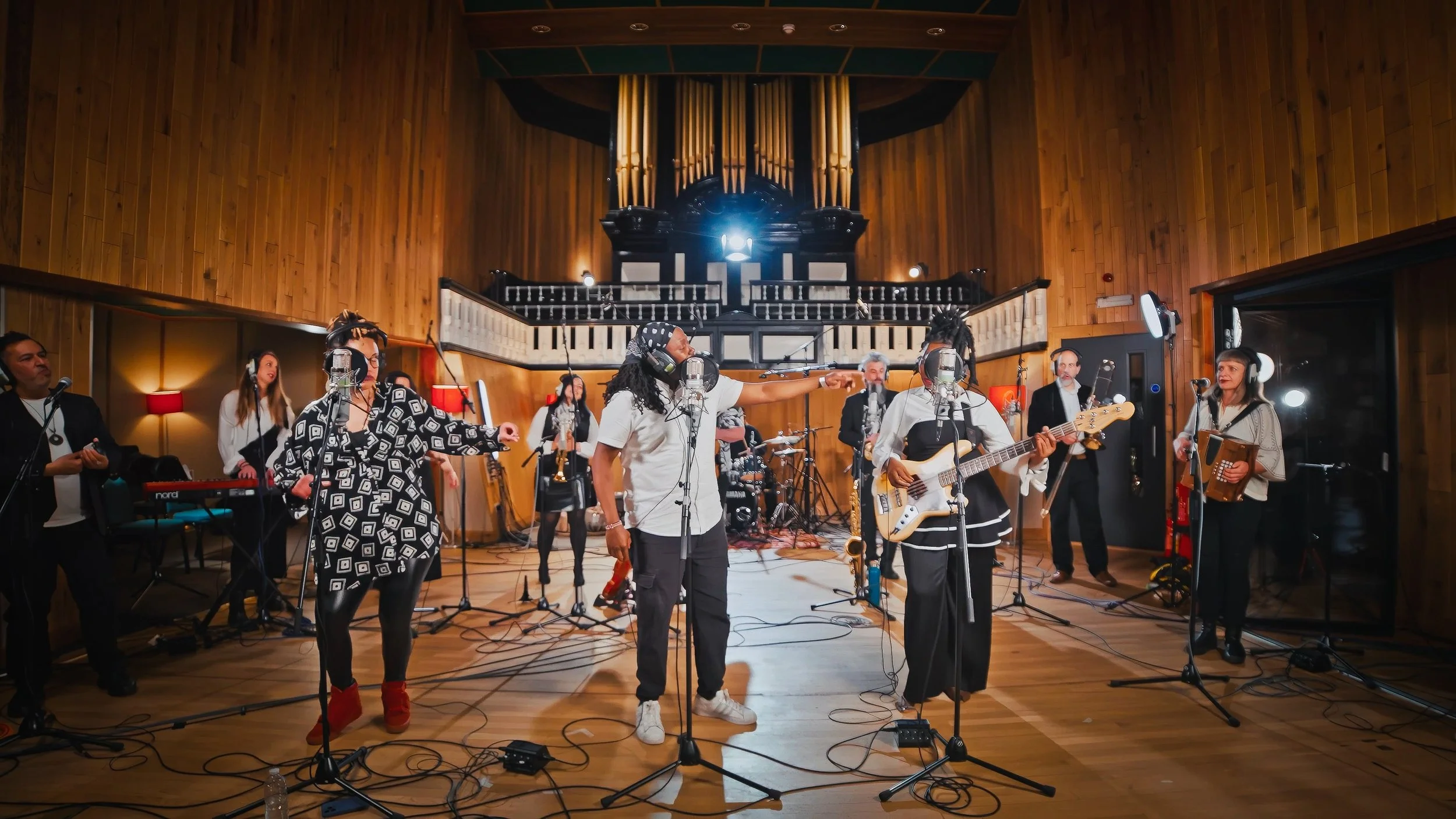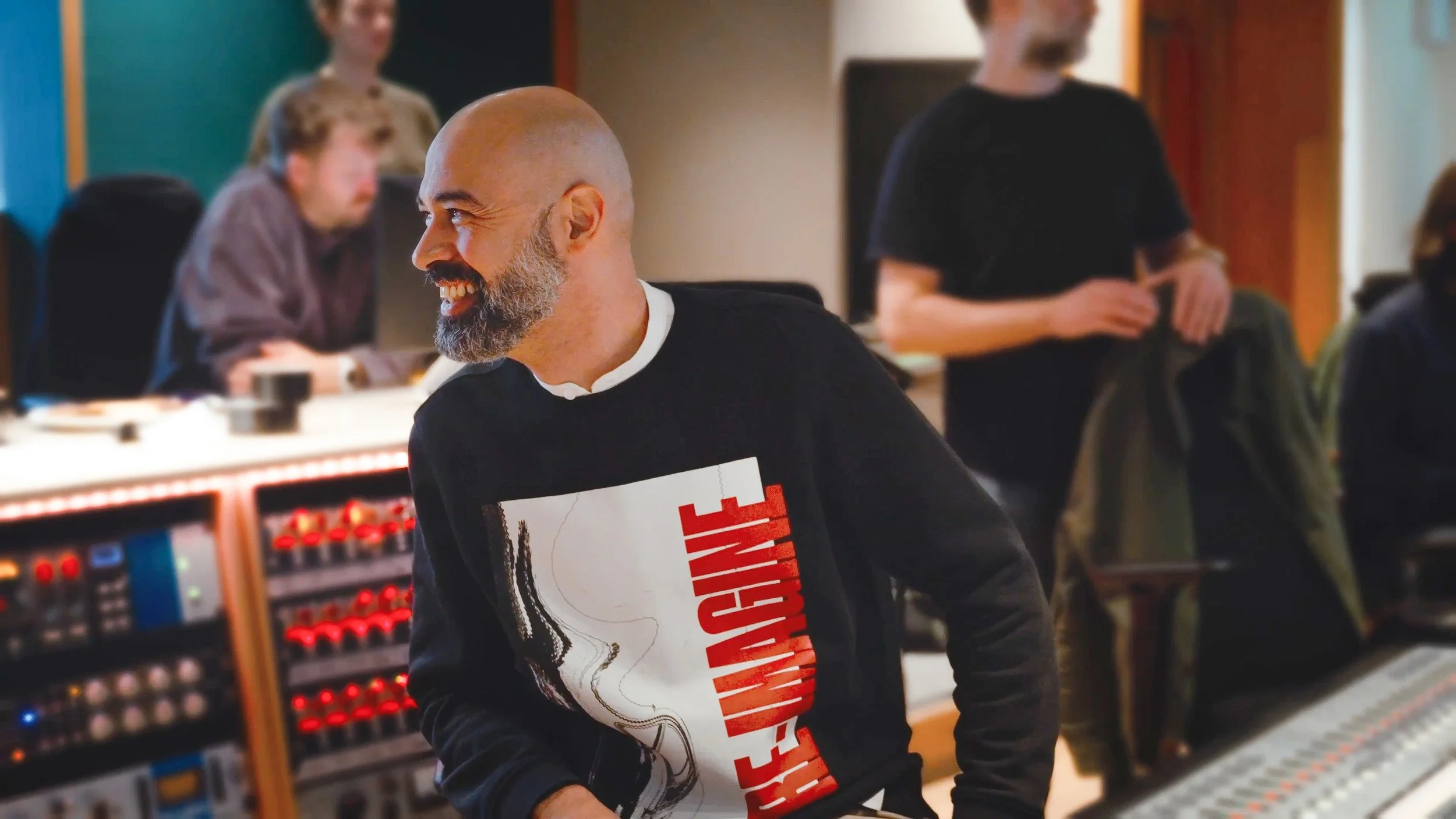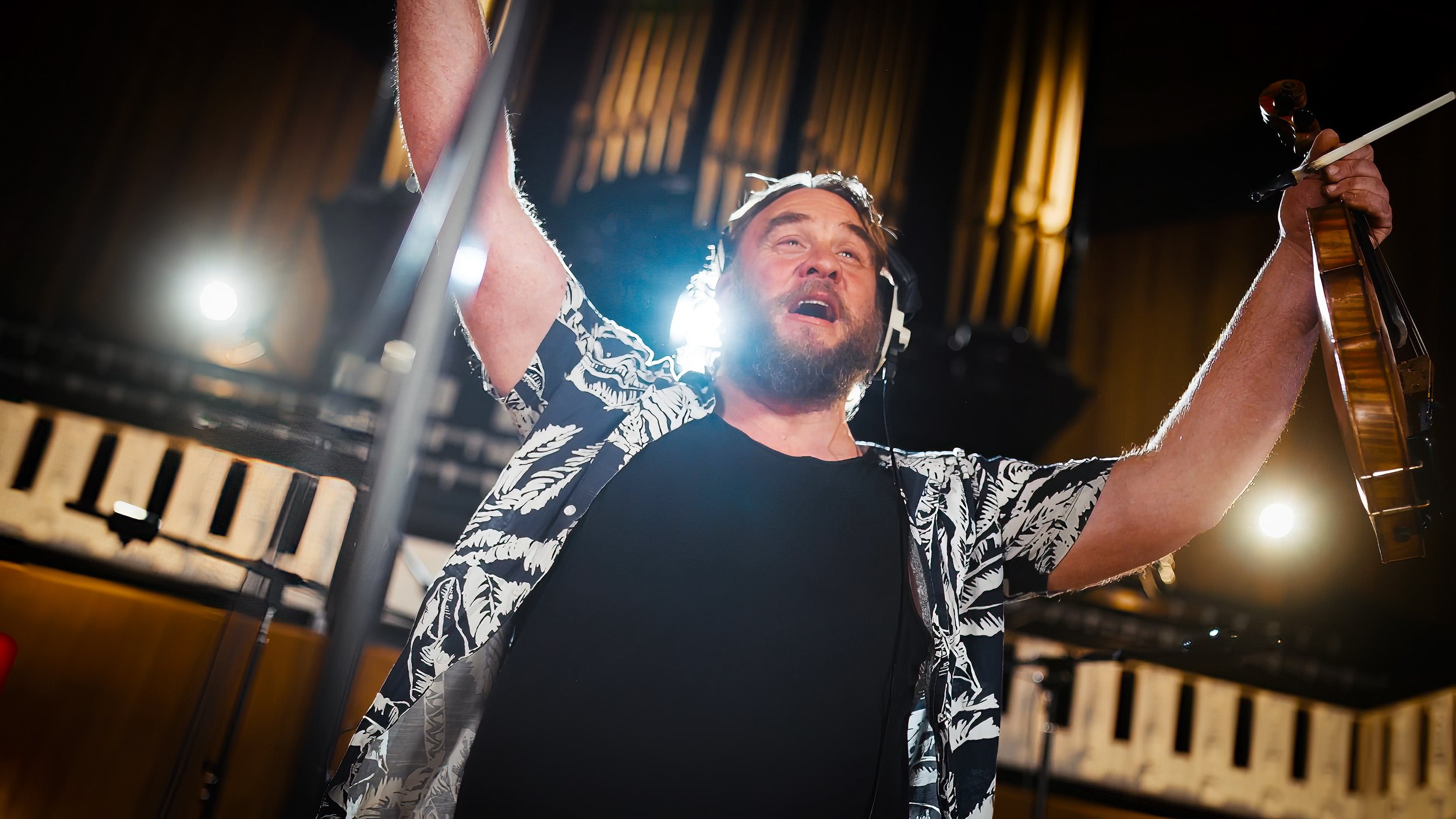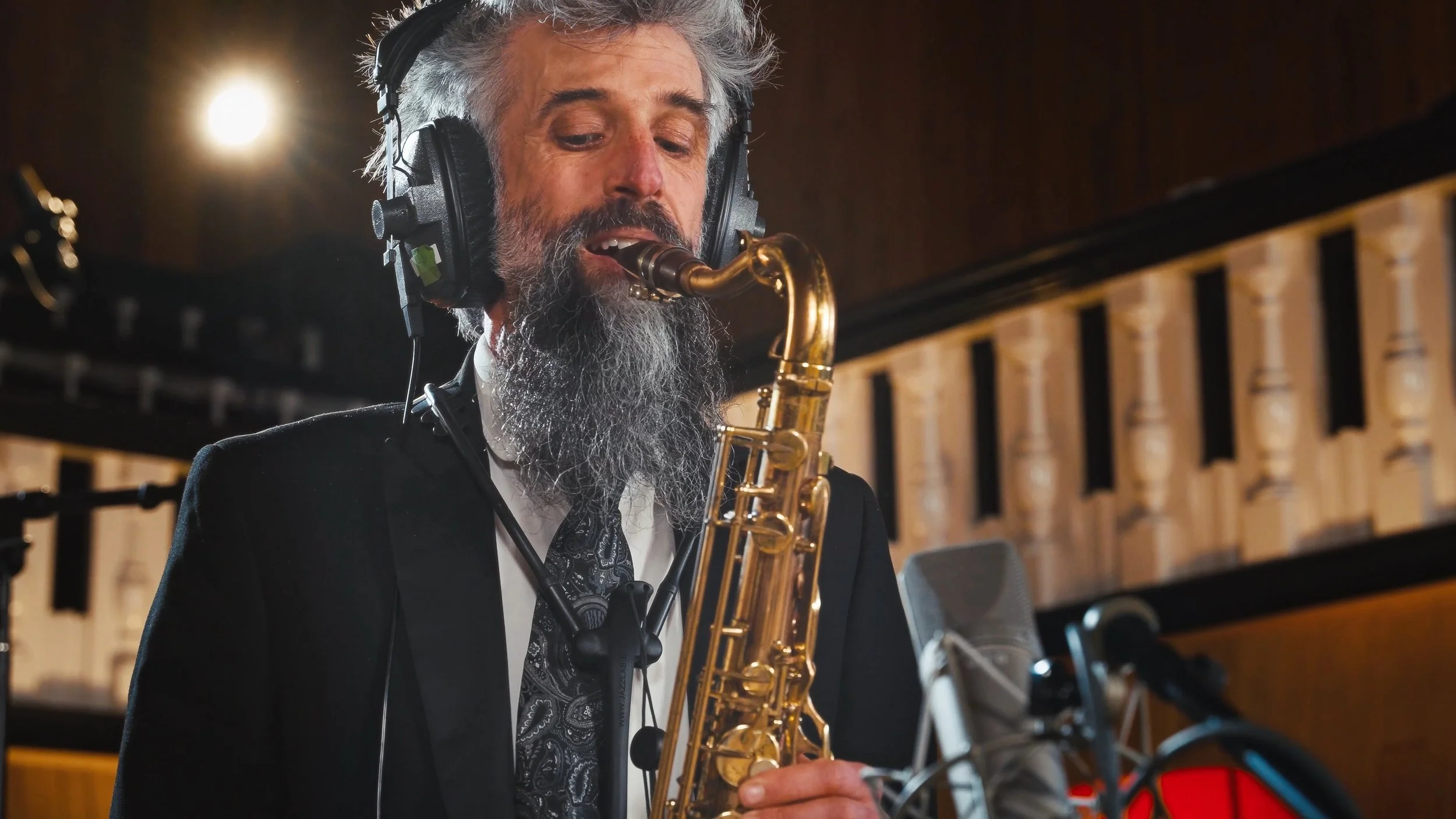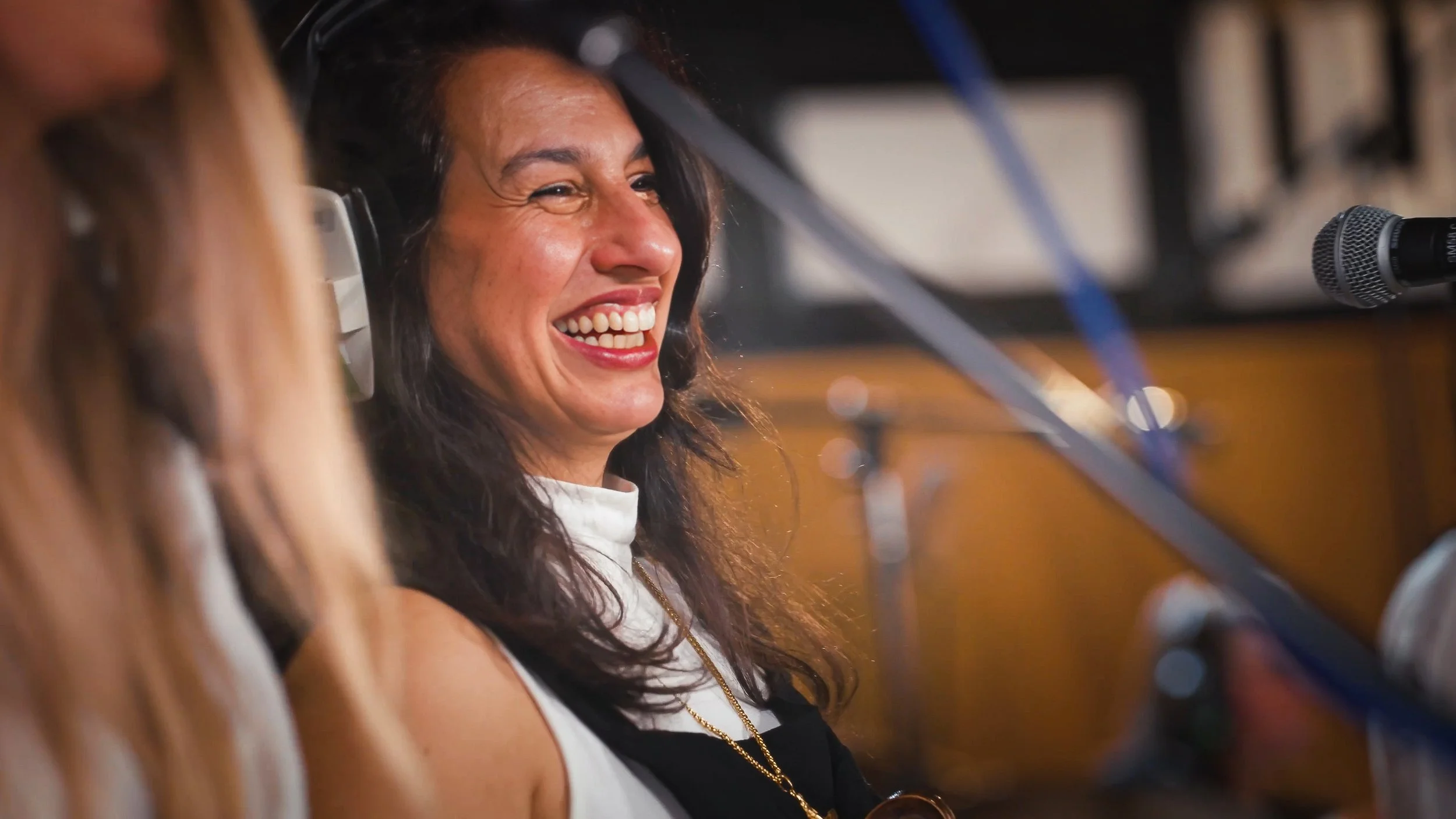
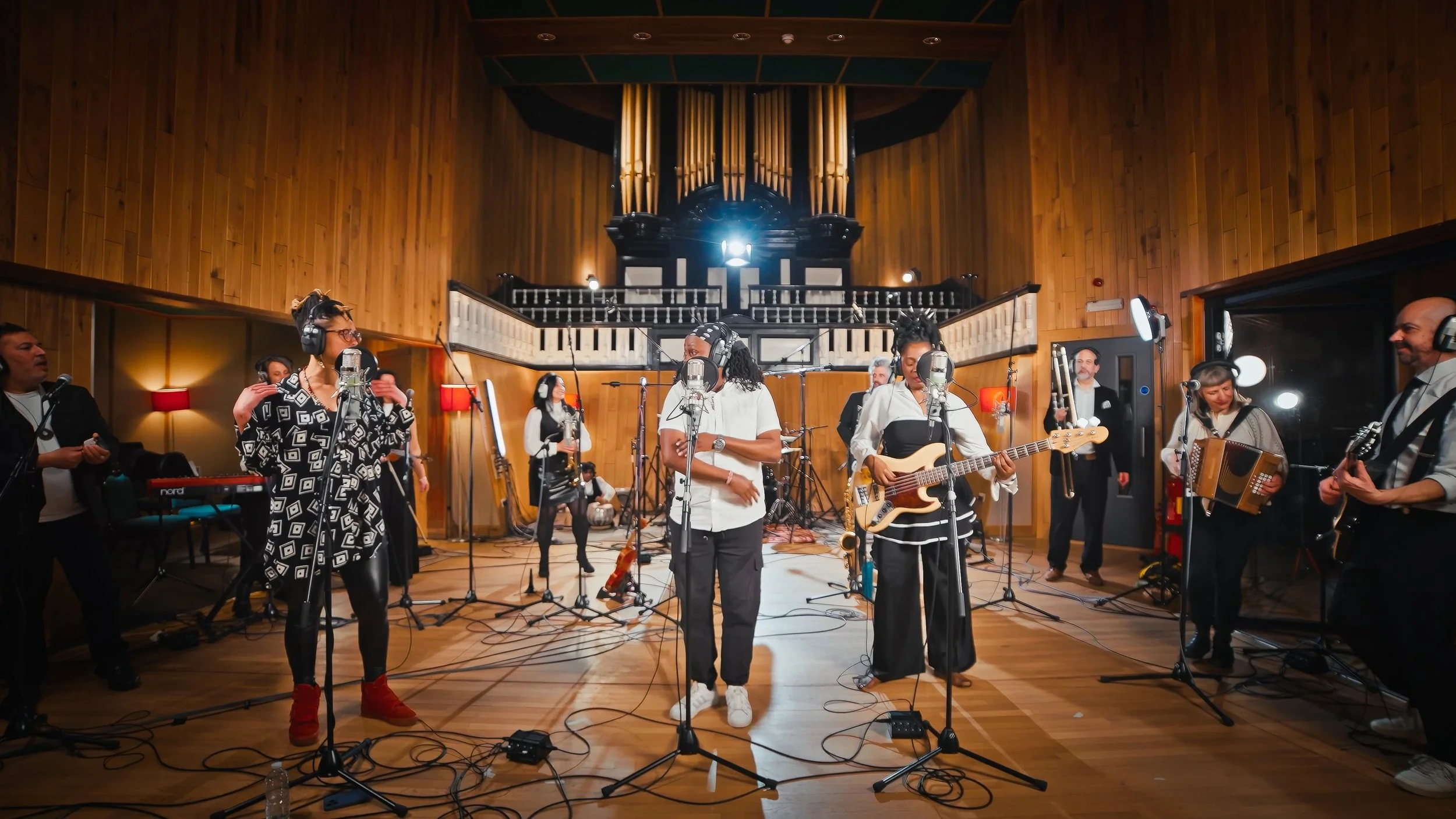
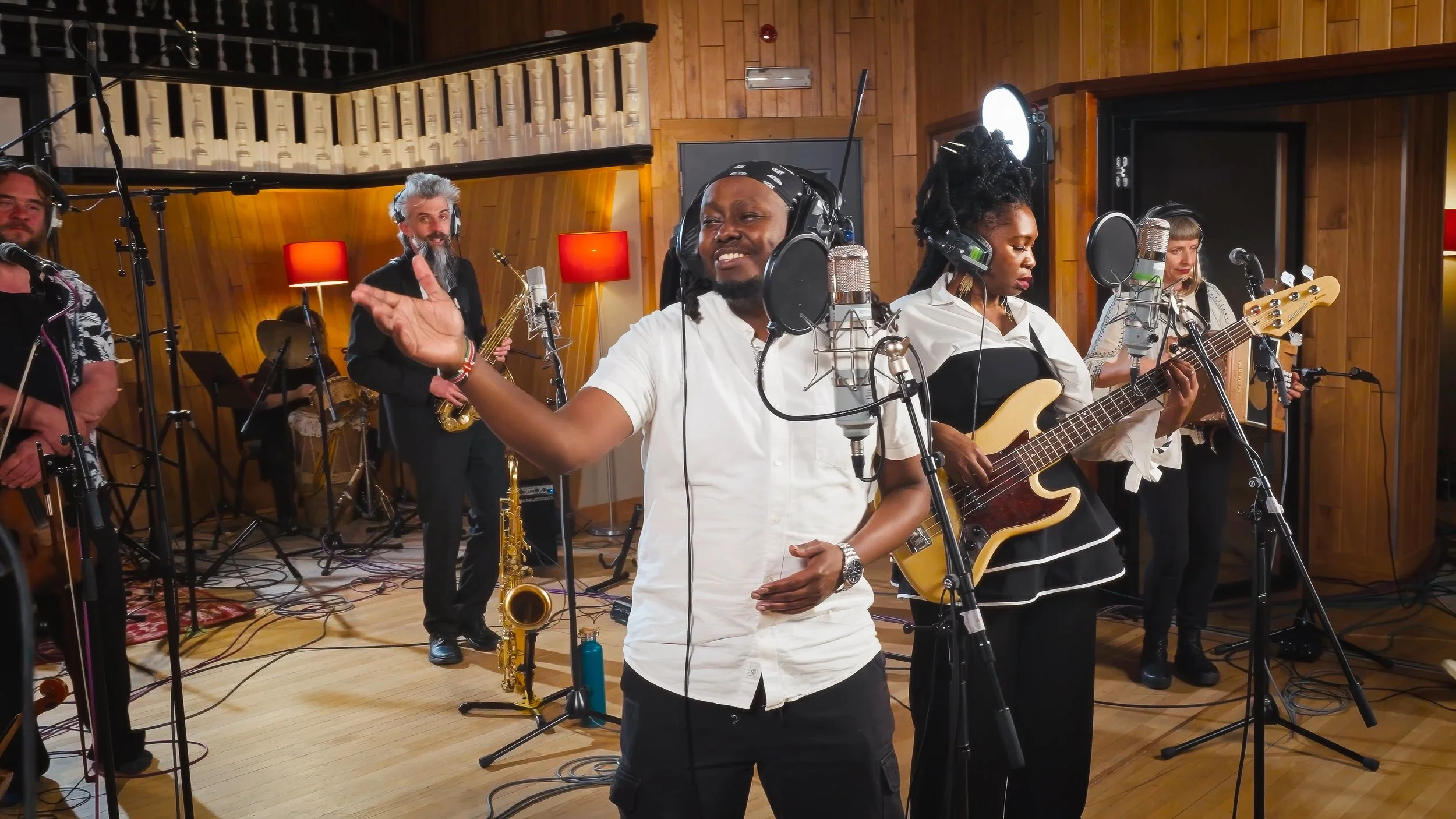
One World Orchestra at Angel Studio, Abbey Road
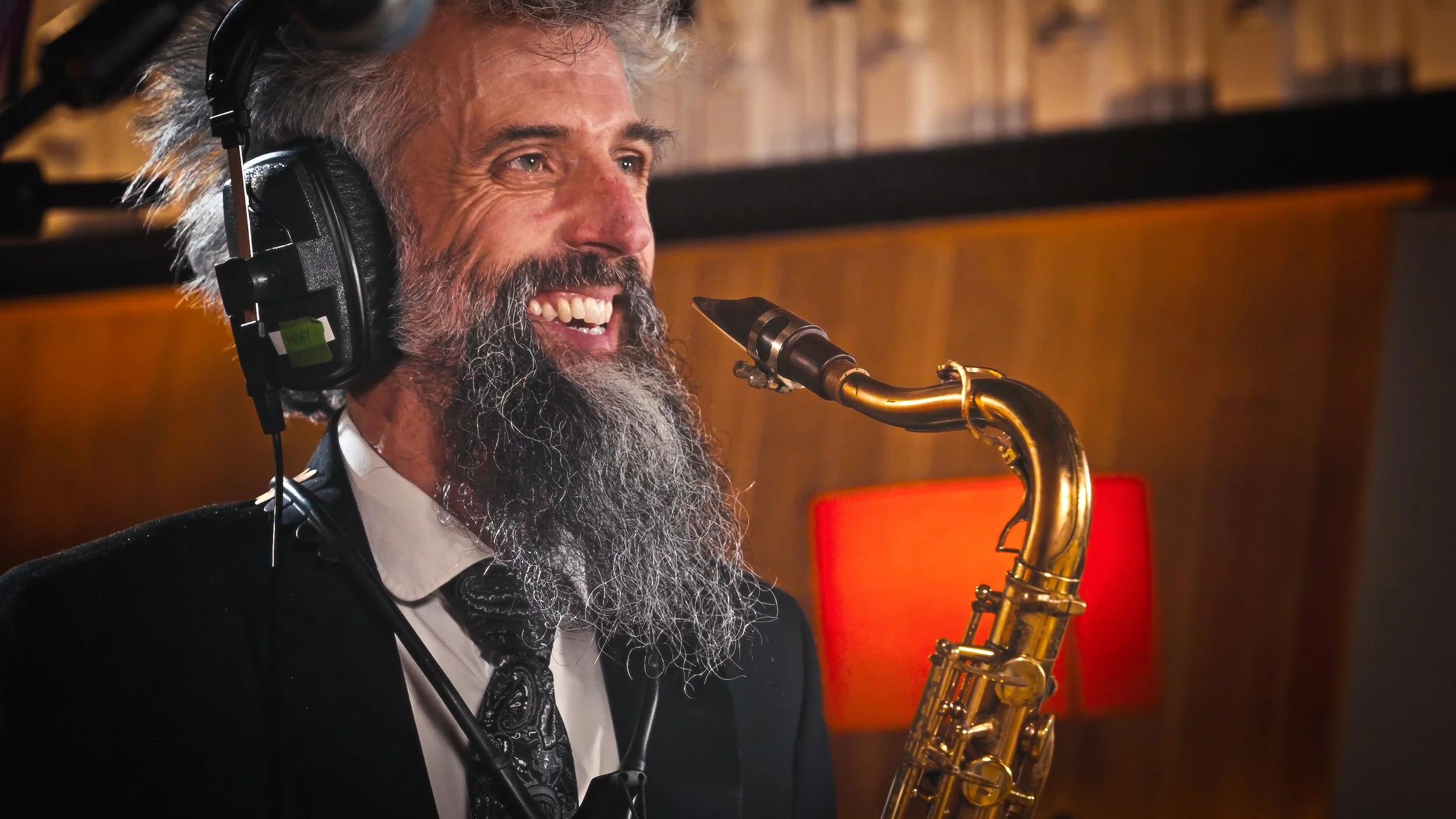

I've been sitting on this one for a little while because I wanted to be able to post about it at the most important and impactful time... Because the phenomenal One World Orchestra have just released ‘Say Goodbye’, their new single this Autumn 2026! What’s more, I got to go on the incredible journey with them (not a Homeward Bound reference, for any millennials amongst you...).
And where did that journey lead us? To the iconic Abbey Road studios, London. A real privilege and honour for any and every musician, including me!
“(What’s the Story) Morning Glory?”
But I’m getting ahead of myself. First things first, why was I excited to be working with One World Orchestra?
One World Orchestra is a family. Not in the way that Hayward & Green Aviation are a family (for my tales of adventure with those lovely folk, you’ll have to check out my other Behind the Scenes articles!), but in that way we mean when we say ‘found family’. They care about their craft and they care about their cause – not just the musicians and vocalists, but everyone involved behind the scenes as well – and their cause is exactly that: ‘one’ world orchestra.
The orchestra and the wider family are made up of men and women of any and every race, ethnicity, creed and religion, and a lot of the people they work with are refugees and people from areas of conflict; people who have lost everything; people who are going through the process of losing homes, loved ones and families.
I want to say that it doesn’t matter where they’re from, but in some ways, it’s exactly the opposite – it matters because they have a culture, an identity and a history that makes all the individuals the rich, complicated and beautiful people that they are. And what this musical community does so well is that it welcomes and celebrates and doesn’t try to change, shy away from or dilute anyone’s cultural identity or the history they carry, and by doing so it creates a unit – a Whole that is still comprised of individuals, but a Whole that champions unity.
What’s more, OWO brings all these cultures together in the way that truly matters - because words aren't enough. Words literally can’t do it all. Words slam up against language barriers and need decoding for intention and subtext. But One World Orchestra uses music as their language. I have a wonderful interview with Zangi who underpins the importance of music as THE language.
And in turn – not to make it about me - I would also say that that's where I, as a videographer, also share that ethos – Cutting through language barriers, encompassing body language and things like the subtle twinkle of a knowing look. All these tiny gestures and micro-expressions speak a thousand words. Not only that - Video is Art at the end of the day, and Art transcends language.
Right, on with the story!
“I Want it That Way...”
I’m lucky enough to be able to say that I've now worked with OWO several times, so when the lovely Vicki approached me this time, we were already straight into a long and hilarious phone call where we were bouncing around creative ideas. There’s never a dull moment in preproduction with Vicki and, if anything, it’s reining the creative ideas back in again that gives us the most pause for thought!
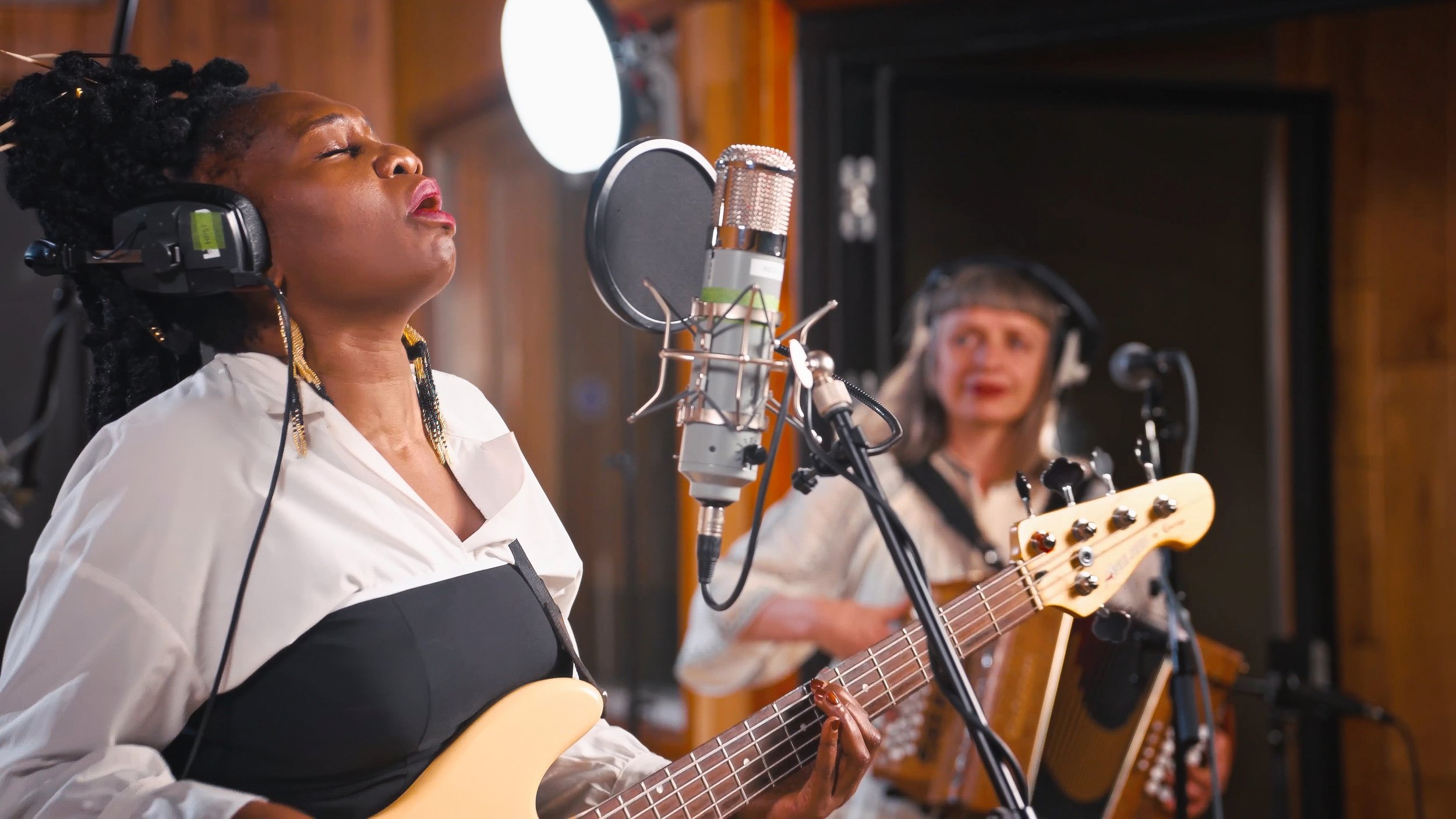
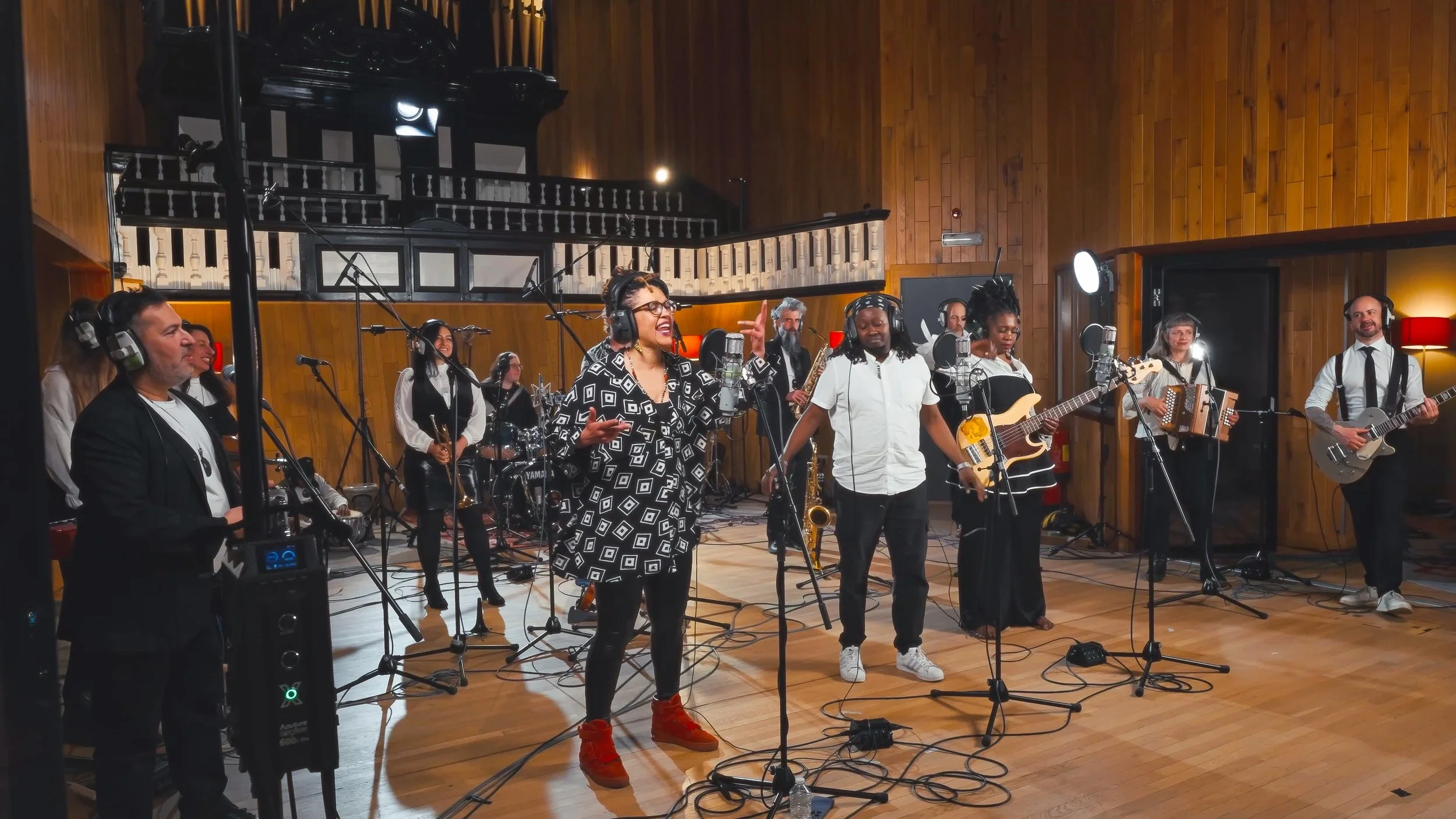
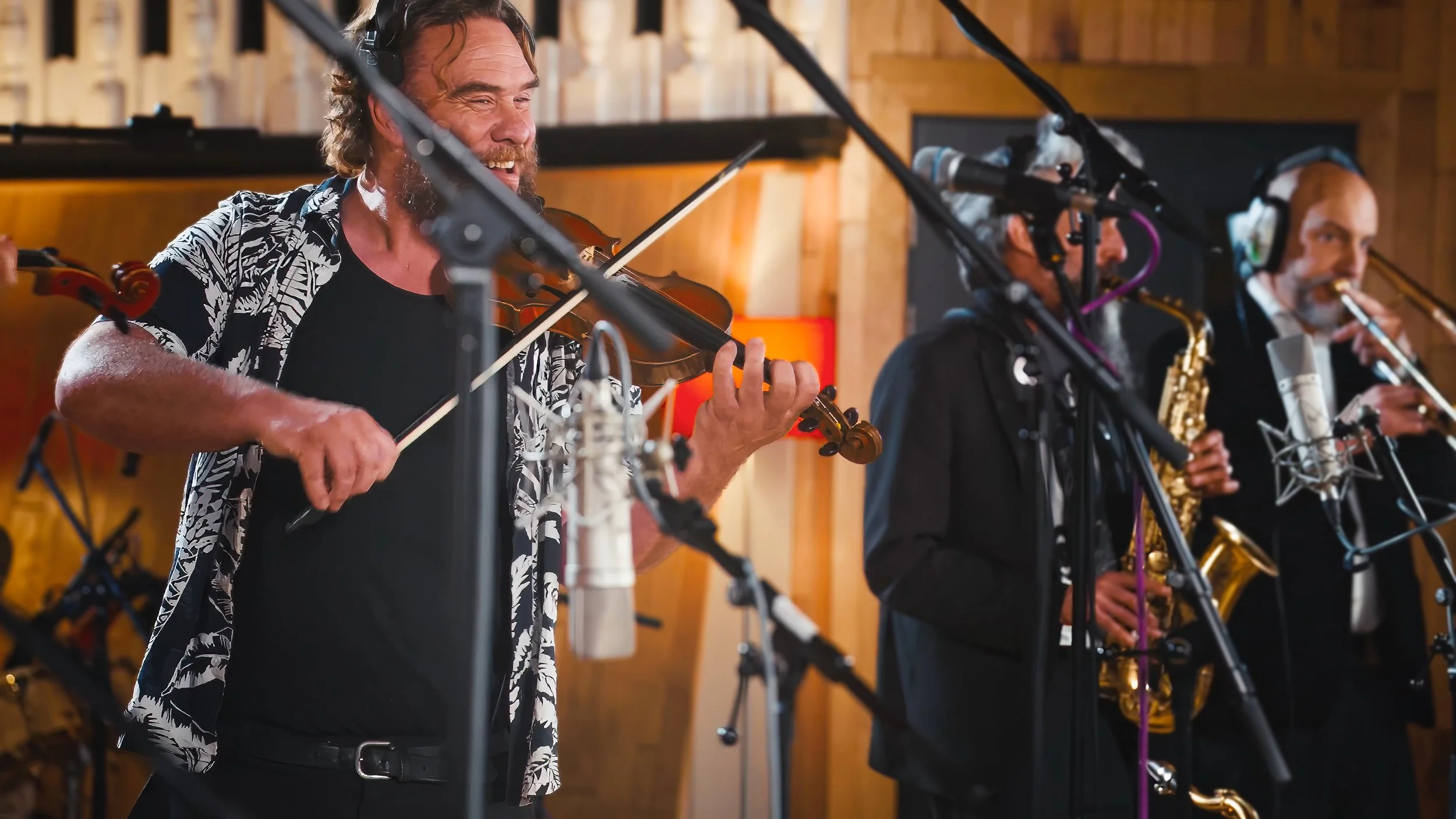
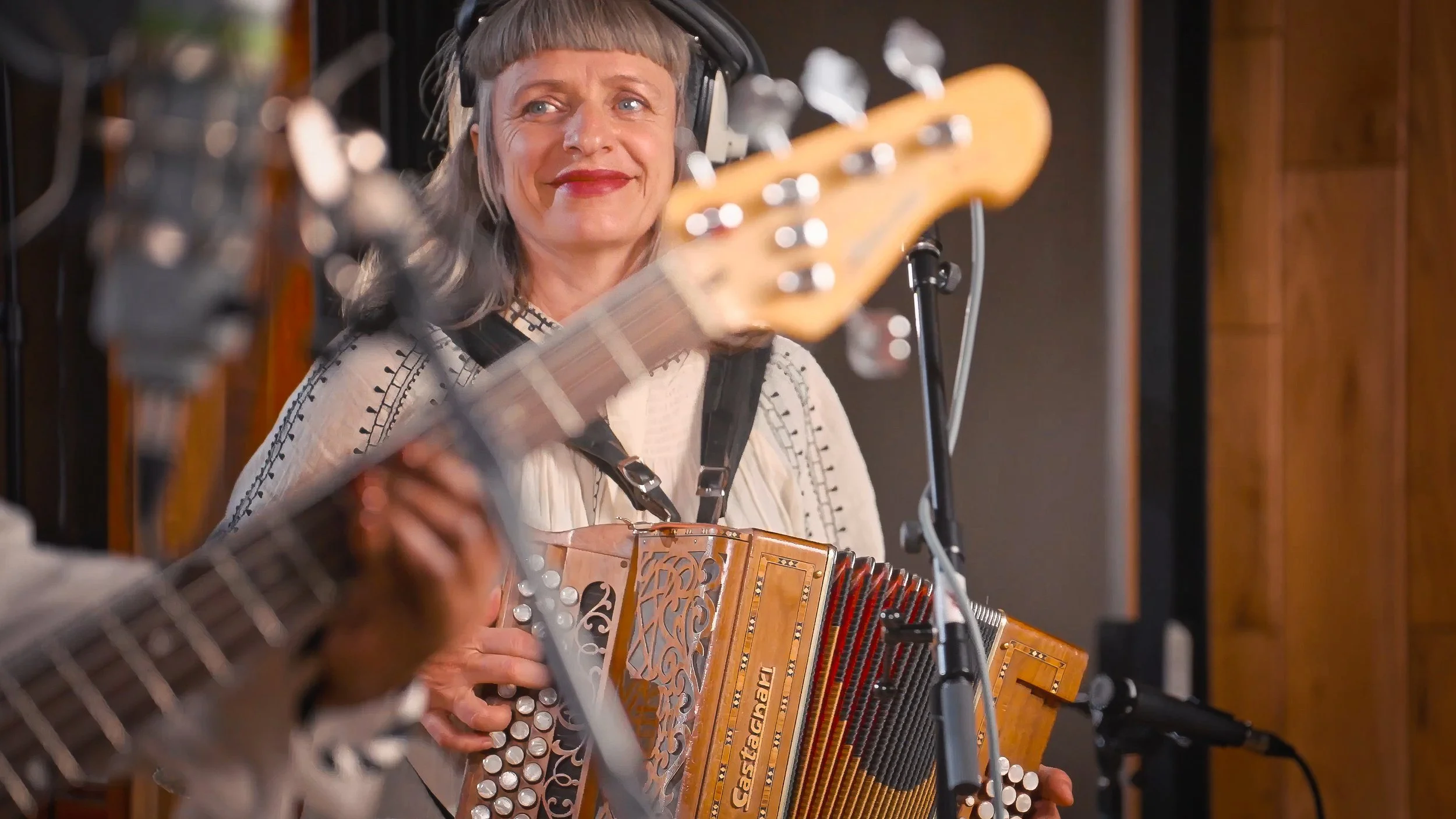
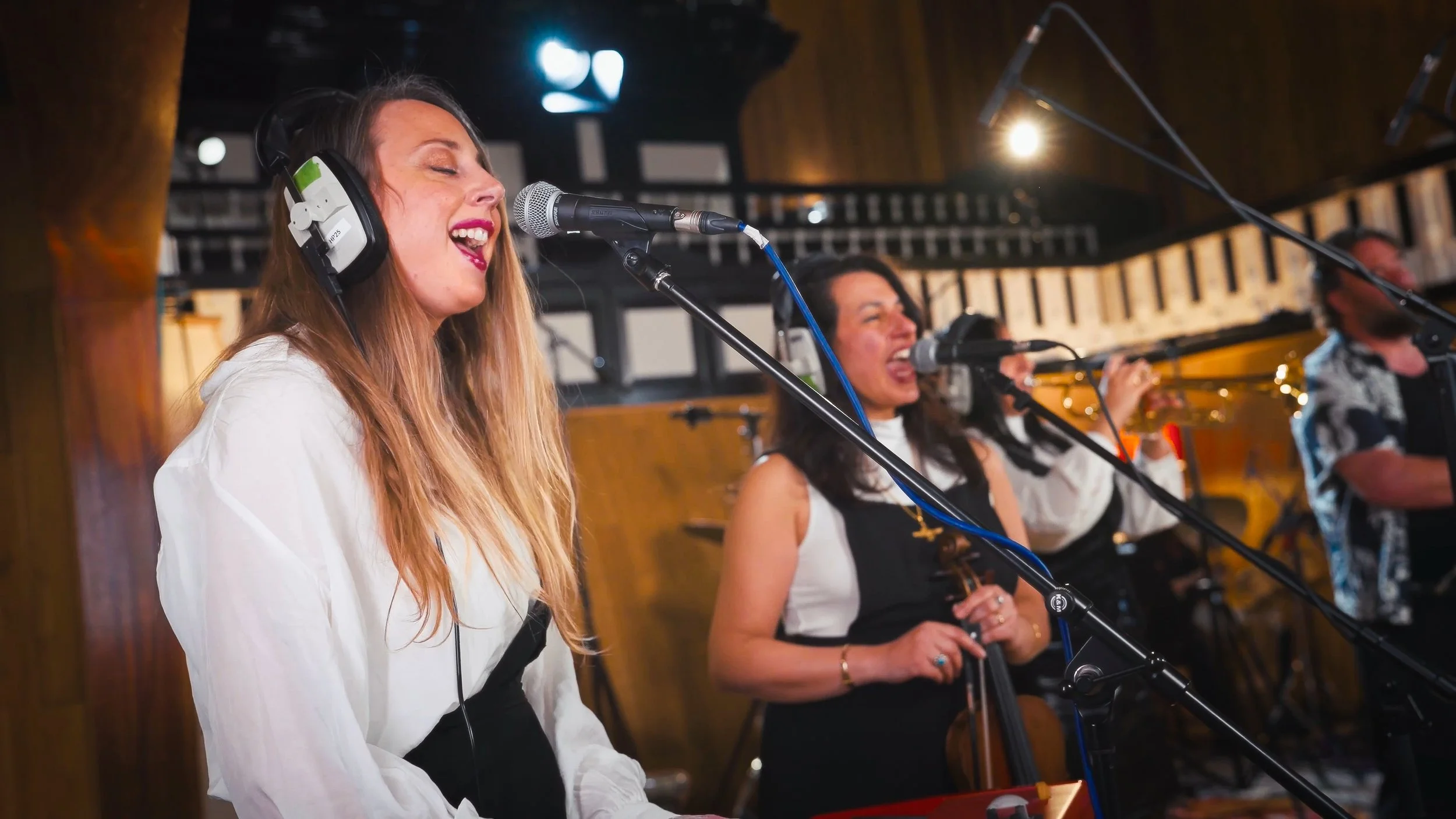
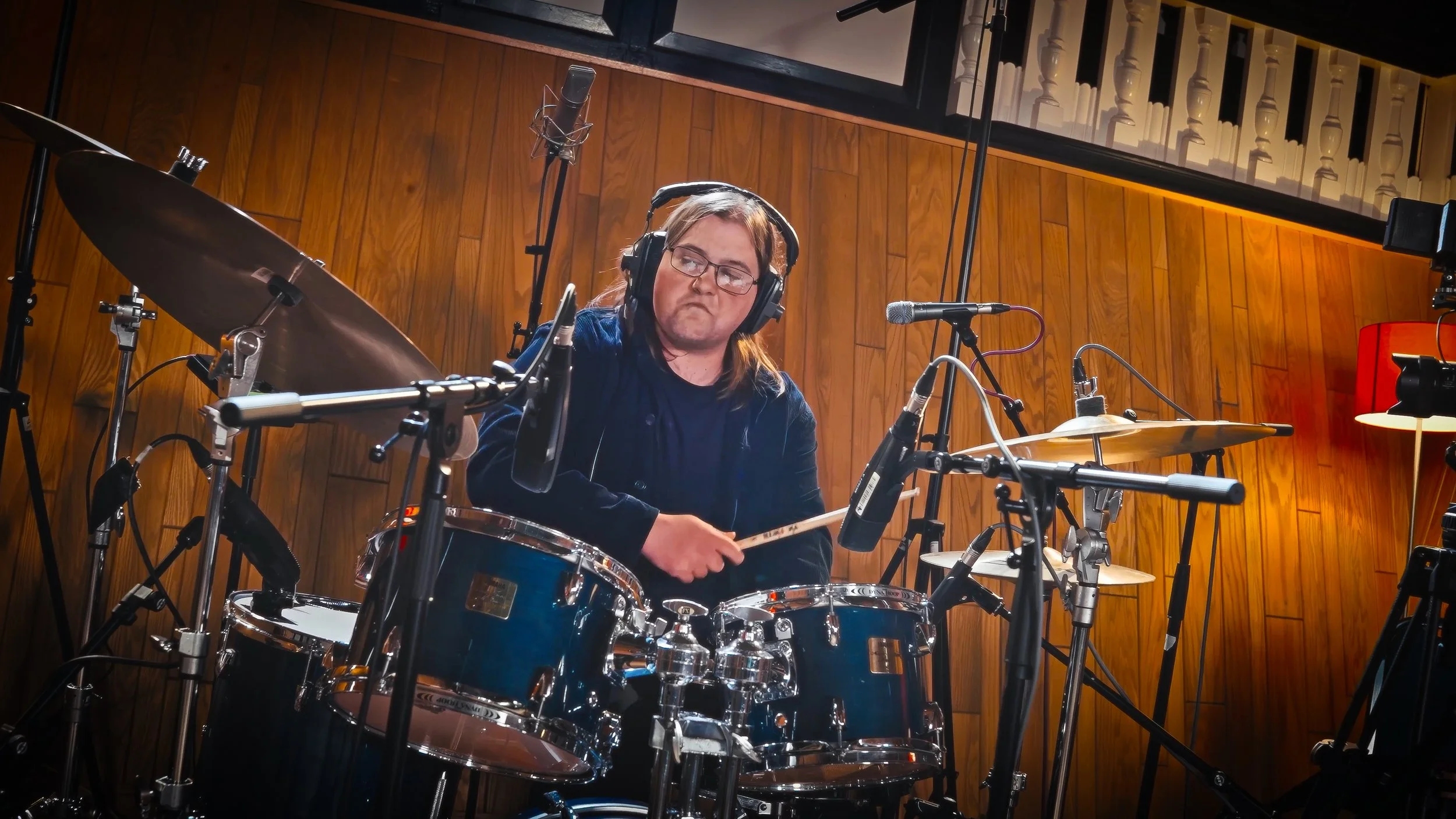
The original brief was really to capture an authentic live studio session performance by One World Orchestra and invite an audience – figuratively - into a live community of people who are performing together. And Abbey Road, the studio that we were recording in, was fundamental for that because we could have everyone set out in a band format, creating this live experience where everyone was playing and communicating with each other.
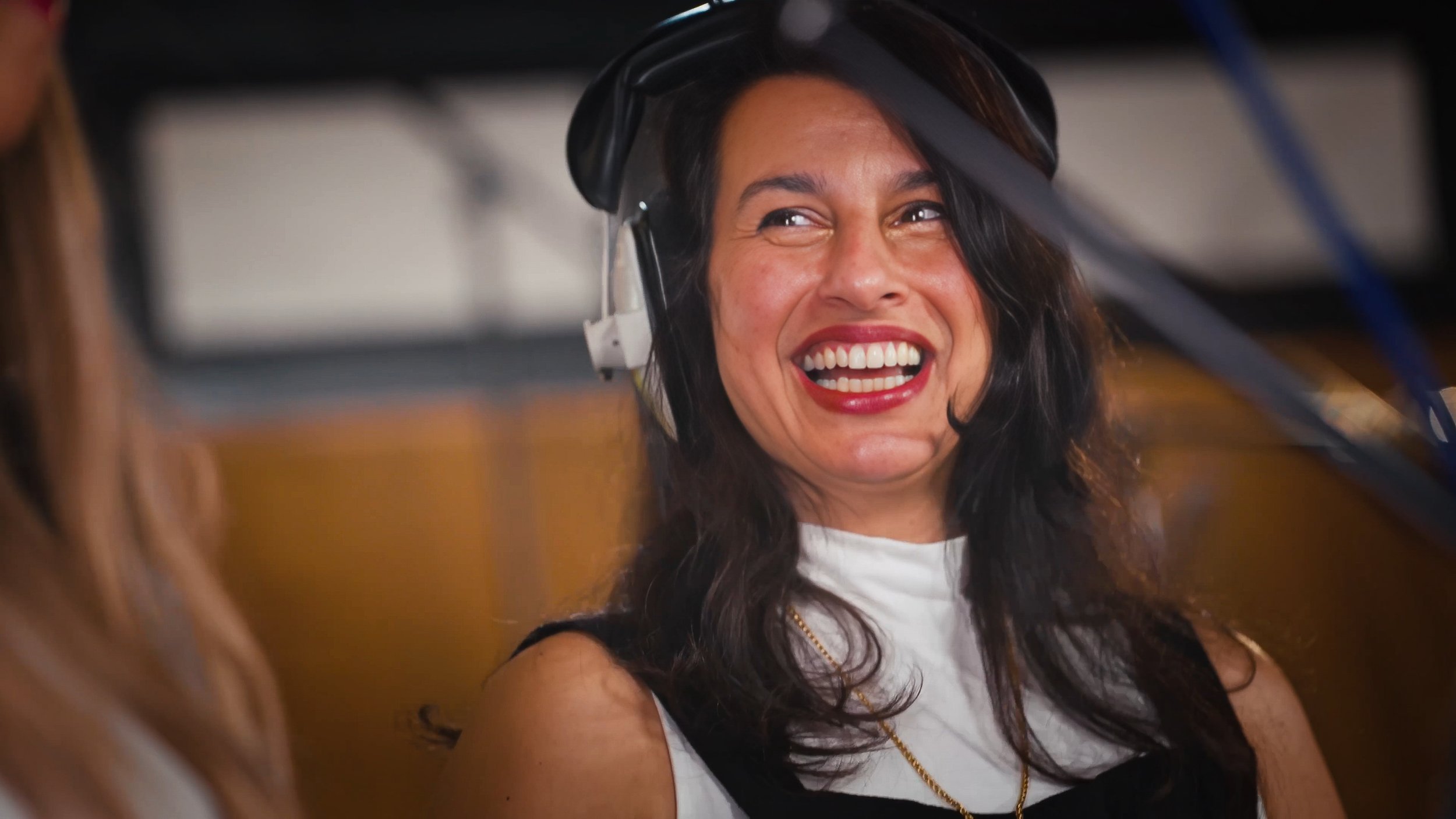
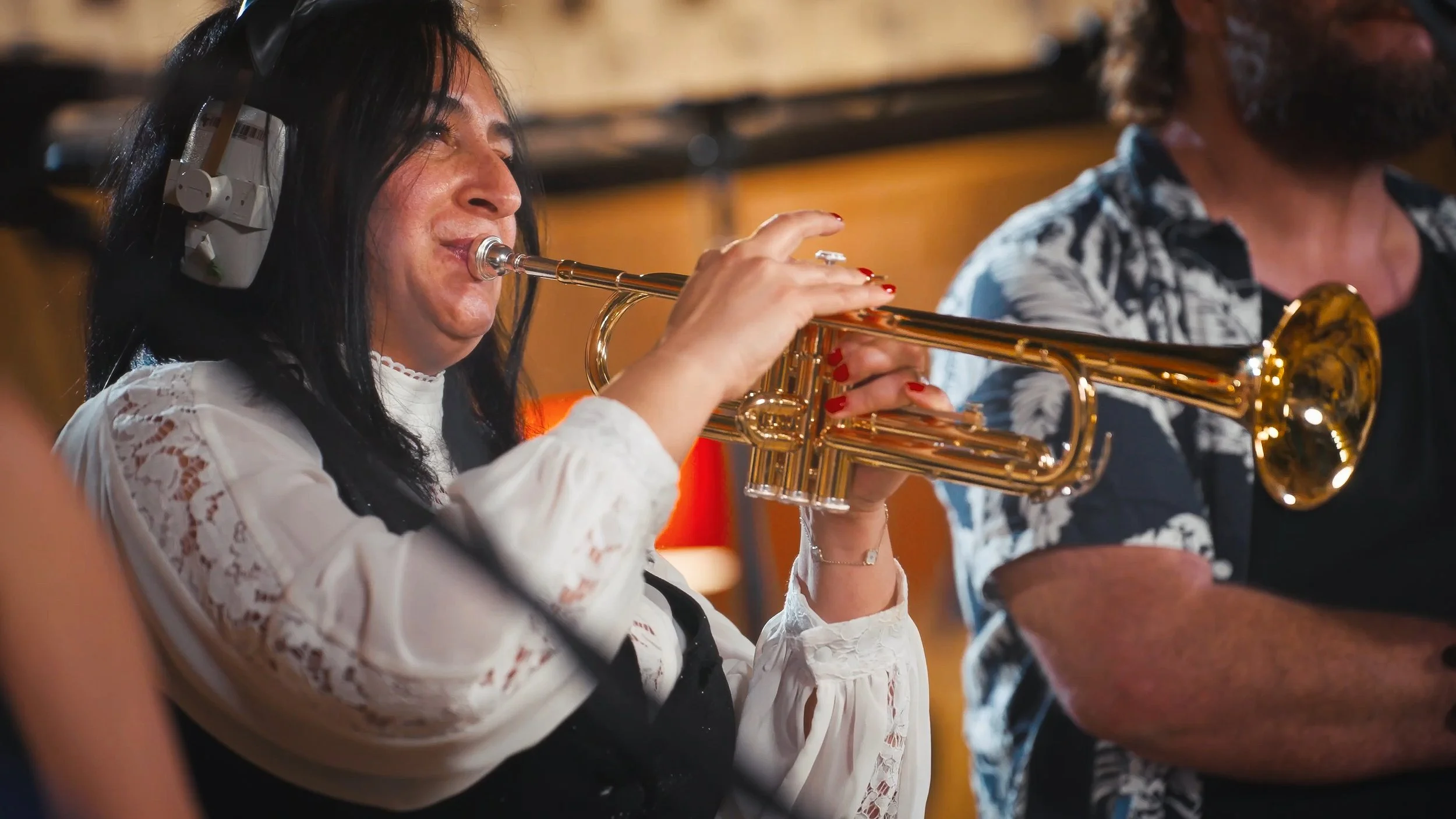
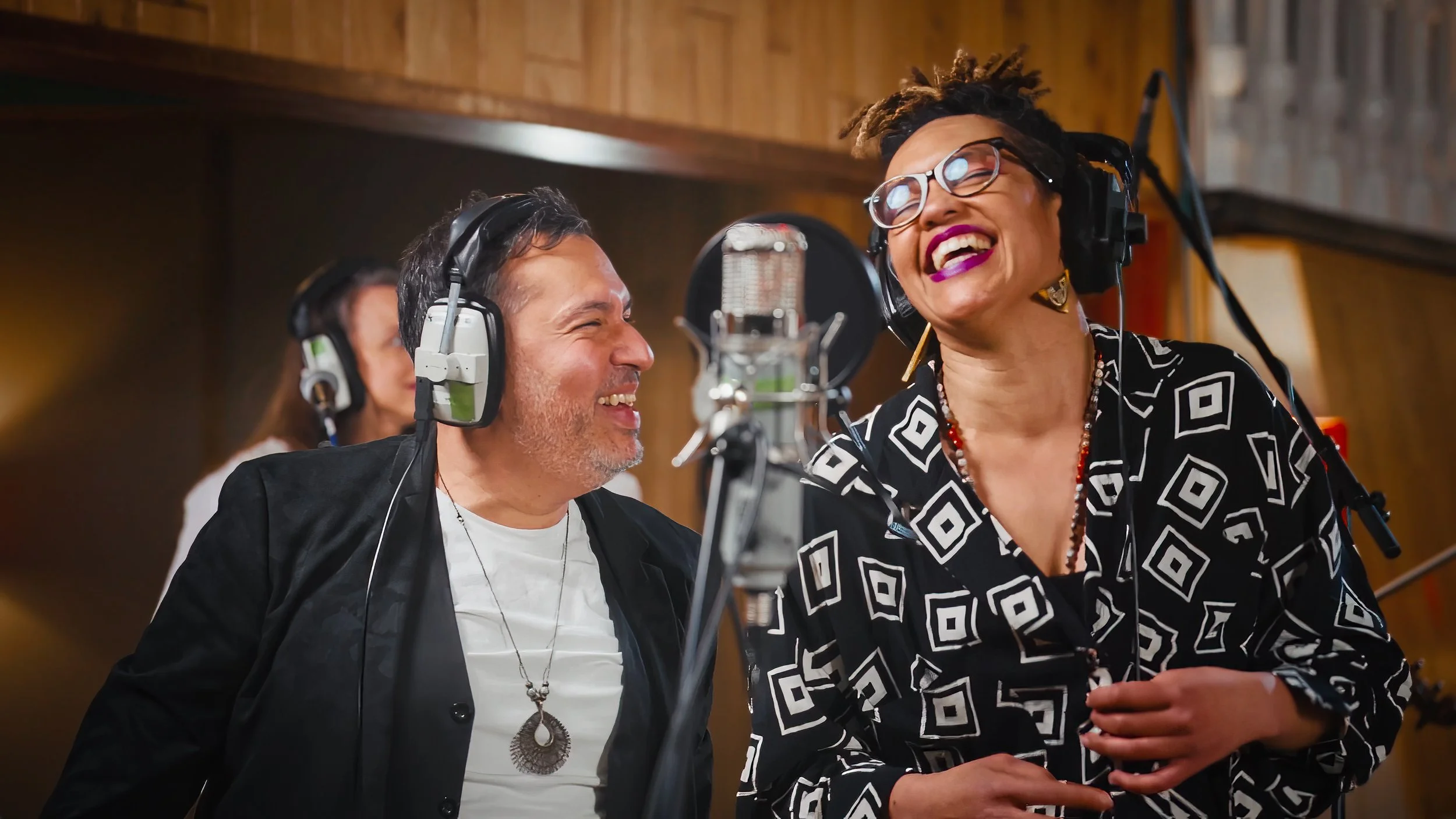
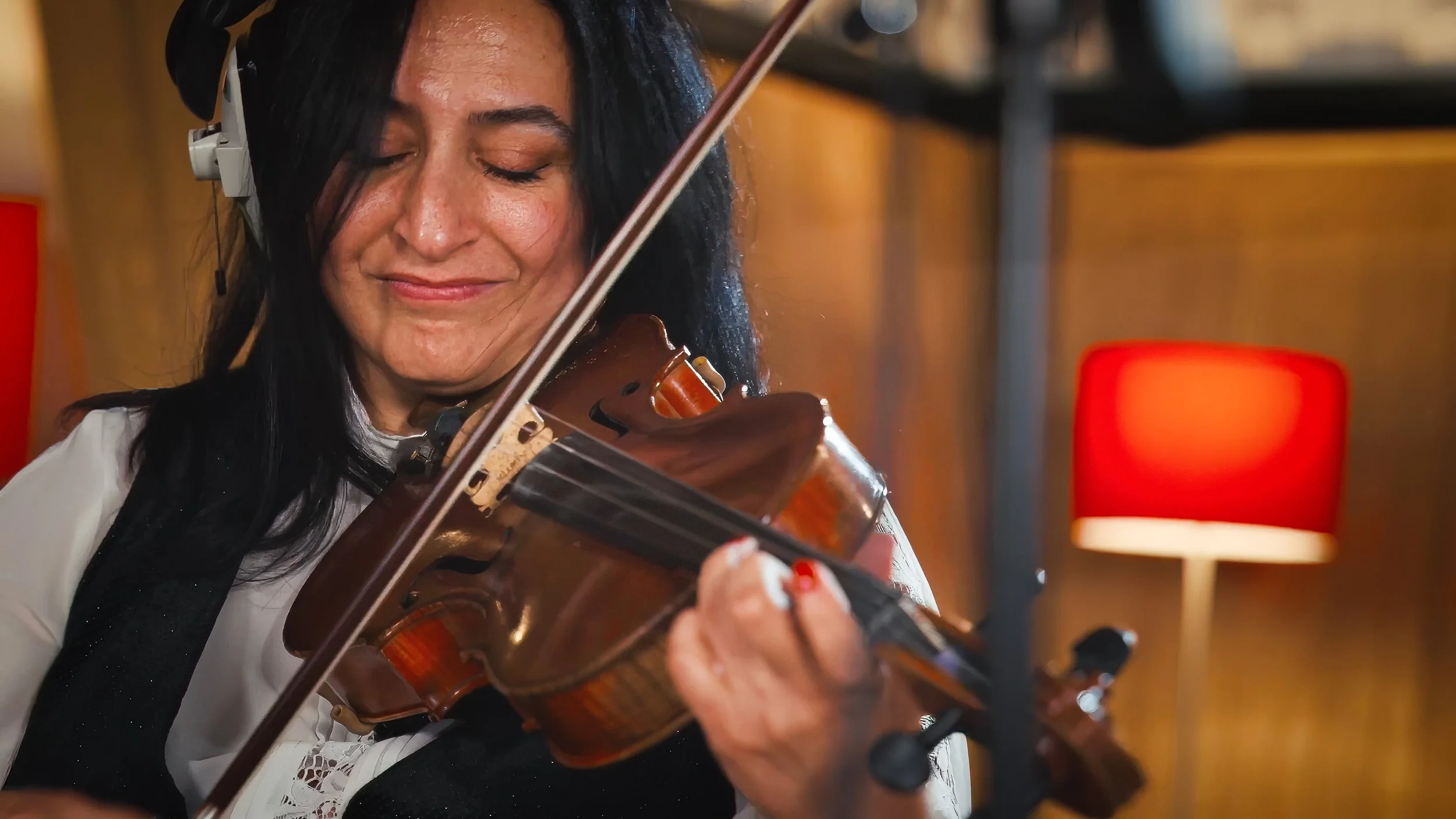
One of the main things that we always try and capture with One World Orchestra are the interactions between people and show that they bounce off each other's energies and create this lovely live atmosphere of acceptance and involvement and fun – which I find will inevitably draw out the best in either a live audience or the ‘audience’ of the person watching the video. It's hard to watch One World and stay all stressed up without smiling.
And that leads on to what we wanted from the video - what do we want an audience to experience - which was the authenticity of them as a group.
They're very positive.
They're very much there for each other.
They welcome each other with a hug.
They say goodbye with a hug.
They're sympathetic and empathetic to everyone's needs.
But obviously they come from all sorts of different worlds and backgrounds, and it’s really important and really beautiful to capture that kind of understanding and awareness from the group.
And I think that's what they wanted to exhibit on the video, and what they wanted to leave the audience with, in the form of warm, fuzzy feelings and grins on their faces.
“Come Together, Right Now, Over Me”
As I’ve said, the first visions we had for this shoot were the fruits of mine and Vicki’s grand-scheming! But from seeing the space when we first discussed it in pre-production it became obvious that, actually, Abbey Road carried the gravity that we were looking for to keep our ideas from running away with us. Since it’s been the home of so many and such top-tier film scores and classic records, and they’ve got absolutely grade-one sound recording facilities and engineers who are at the top of their game – this is a place to really inspire and ground you.
It carries so much history and prestige... it’s like cultural capital, here in the UK and in Music circles. We wanted to simply enjoy the studio and kind of bask in it as the embodiment of that history and prestige, and that actually helped us to remain authentic to what we were representing too: we weren't going to turn up with a film set and replace what was there. We wanted to celebrate the place that already existed, in the same way the OWO celebrates the people within its family, just as they are already.
“I Want It All... And I Want It Now”
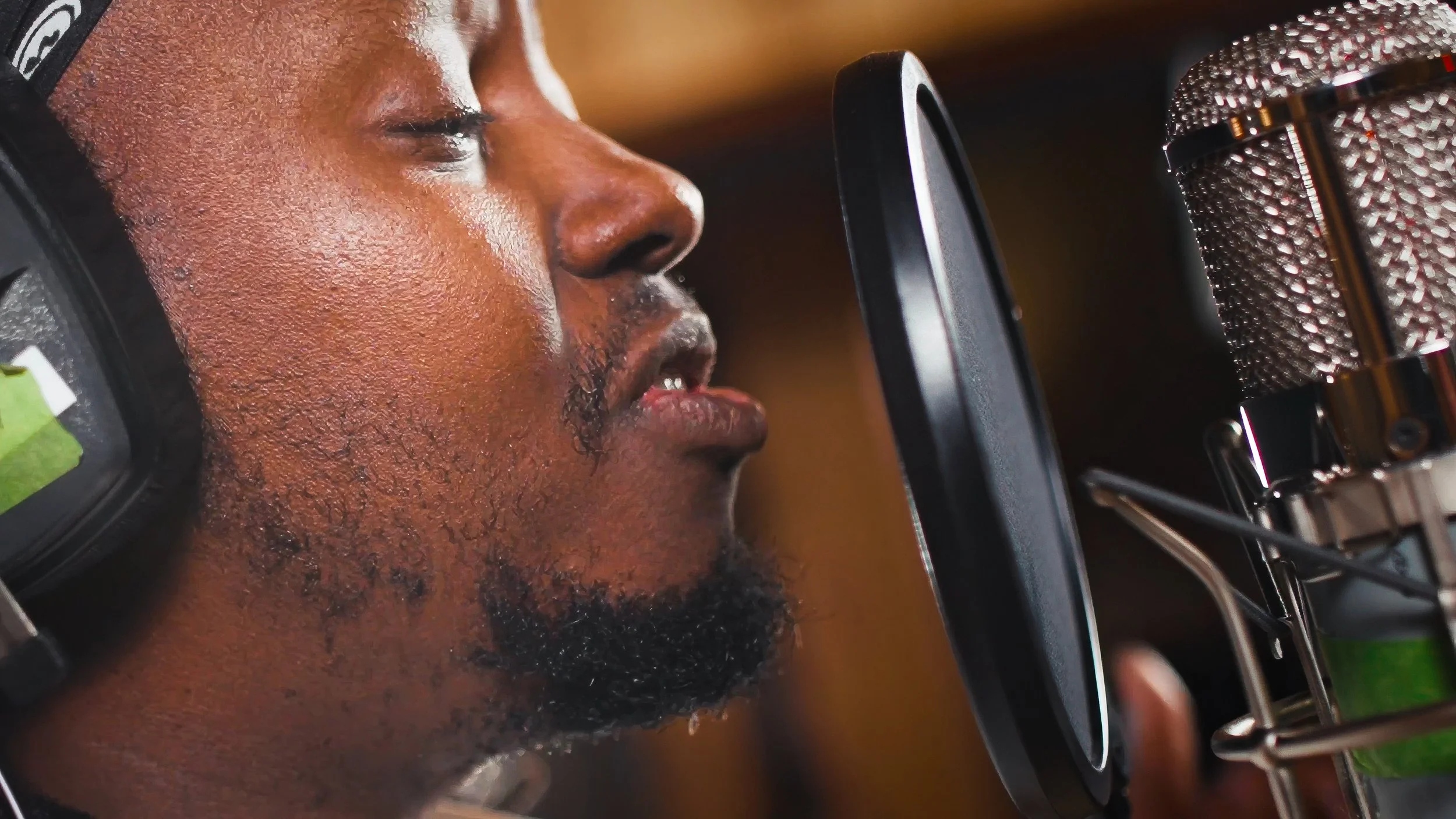
The thing that made this different from a standard music recording was that we wanted to create this as a live event. Although quite a lot of the music was recorded separately, we still wanted this to feel like it was a live recording and that the band were still playing together at the same time. Which, as you can imagine, presented a few of its own problems because One World Orchestra were simultaneously doing a live recording and shoot day but they were after the best sounding audio, and obviously if you're recording with other people in the space then you don't always get the best audio; you'll get bleed and you'll get sound on other microphones coming from other instruments where we wanted it really clean.
And so our first rub was between the authenticity of the audio recording and the authenticity of filming and trying to share that space – literally.
I'd say this is where my experience in live events and the technical elements of Sound came into play, so while we were talking about what we wanted the audience to experience and where we were ‘placing’ them, in preproduction we had already discussed the choice of shots that would create some ambiguity around whether that was recorded in isolation, which might have been a very tight close-up, or something that was recorded with context of other instruments being played at the same time, which might have been a wider shot. (It may have been a Music recording studio, but you’re never far from the smoke and mirrors of Performance, darlings!)
If at some point we were to showcase a shot that was recorded separately, for example a singer singing a solo, and they didn't have the context of people around them, that would immediately break that authenticity and the illusion – not to mention that important ethos of ‘unity’ - could dissolve. And so it was really important to us that as we filmed throughout the day and that this continuity was always at the forefront of importance.
“It’s A Kind of Magic”
It all came down to how we arranged the band.
In pre-production we had about three or four different arrangements of where people could be performing and playing. And, yes, as a videographer, you really do have to think about that! We had a few boxes to tick...
That we were there to capture a live event, and when you capture live music, there are no retakes.
That everyone needed to be shown playing together
That everyone could actually be seen at various different times
That everyone needed to see each other (and let me explain why...)
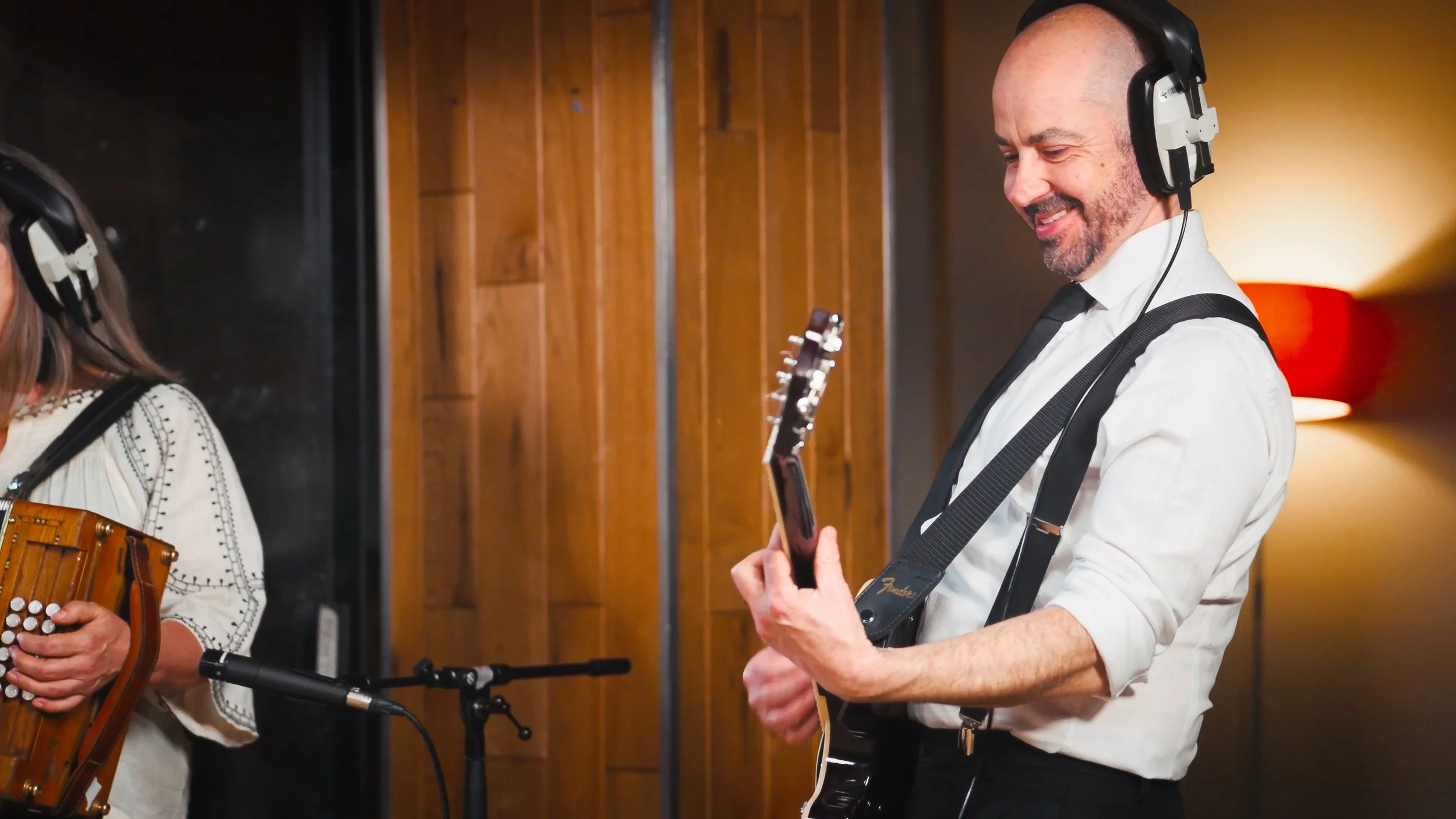
In Abbey Road, in the interest of the best sound recording, they have booths where you can isolate and shut off sections and instruments – like separating the drums from the strings or horns for example. But we didn’t want the band all shut off and segregated because it would shatter the important image of everyone playing together, it would wreak havoc with sightlines and those magical moments of genuine interaction and creative joy sparking between them all. Not to mention the free movement of us as videographers. Arguably, the interactions were just as important as capturing the people playing. Which, a videographer, was frustrating, because you felt you could never leave a shot or cut away. But more on that in a second...
Lastly, to separate everyone and prioritise the sound quality only would metaphorically unravel their very ethos and brand – One World, one orchestra. The energy had to come through the music, and we would only feel it if we were able to capture those interactions.
“You Got A Friend In Me”
On that note, on this shoot I actually enlisted the help of another videographer called Jay Bartlett, who was fantastic. We'd worked together before in Manchester and his initiative and his ingenuity for some of the more technical issues we faced was spot on. He’s a super useful guy to have around!
Where I was wearing a steady-cam rig, it meant that I was unable to do certain things, or it was more effort for me to move equipment about. Having Jay there gave me extra hands, extra eyes, and, let’s face it, an extra brain! Plus, it meant we could get around the issue of switching shots and missing golden moments of interaction. We could work in relay, leap-frogging our shooting, so that I could stay just that little bit longer after the end of the sax solo, for example, and Jay was already there, capturing the vocalist who had just started. This was CRUCIAL for a shoot like the one we pulled at Abbey Road.
Jay also came forward with some amazing ideas for shots, some of which we didn't have time for, others of which I was really glad we capitalised on in the moment.
And the positivity that he shared - between the two of us and also with all the performers - made the whole experience so much easier. This is so important to me and the ethos behind mikebdesigns, so I'm proud to be particular about who I enlist to shoot with me.
“Lights Will Guide You Home”
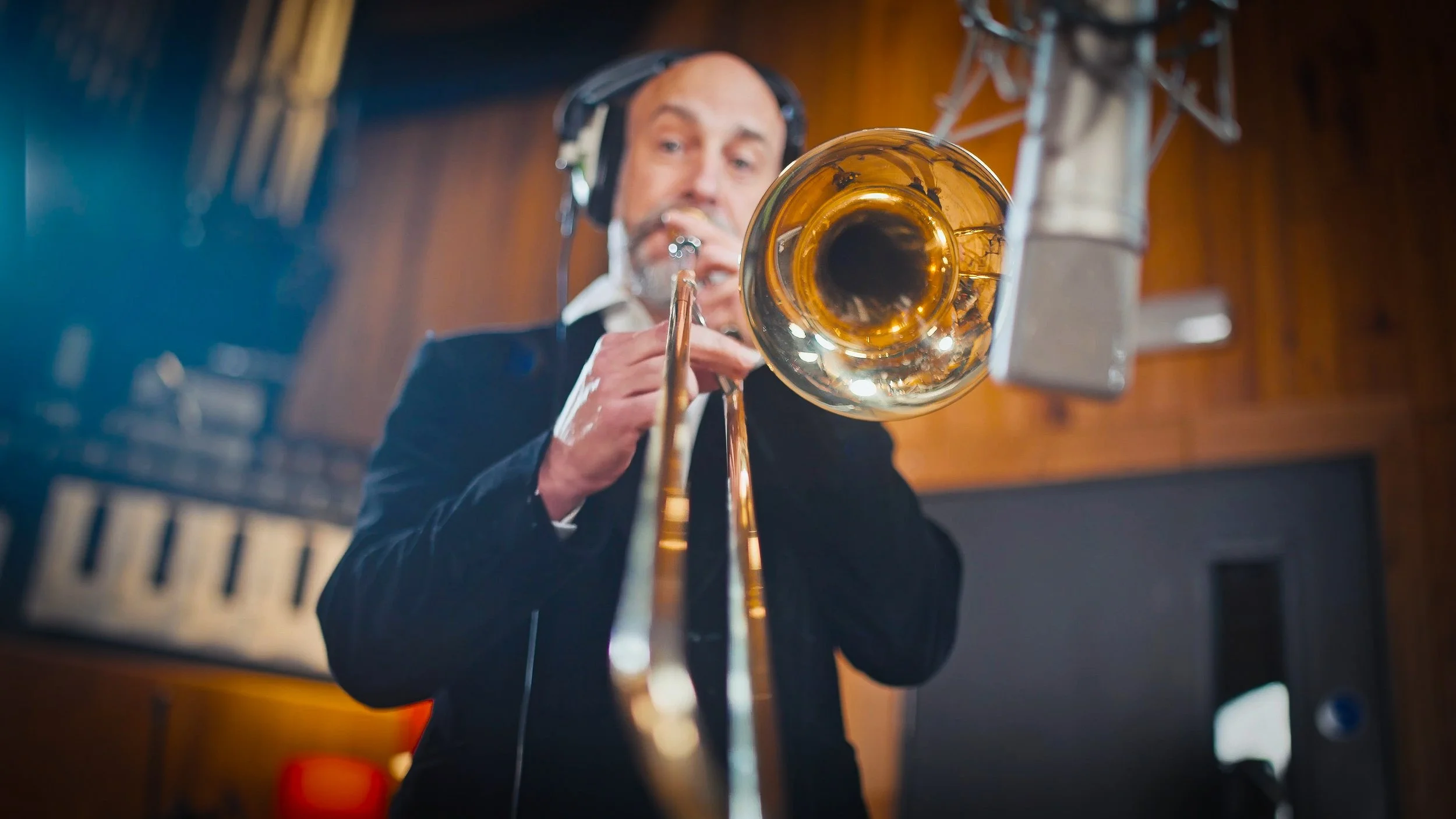
Another thing about the authenticity that was important was that Abbey Road should be featured as it was. We weren't turning up with a film set, we were turning up with a few lights that were going to pick out and sculpt bodies to distinguish them from the group backdrop and create a slightly cinematic feel to what people were witnessing. So we had a big rim light behind or a backlight, we had some side lights that were going to pick out people and cast interesting shadows and light across people (the ‘sculpting’ I mentioned). We also had use of practical lights which were the House Lights on stands, they kind of have an orange feel to them which made it kind of feel like a lounge or a front room of someone's house. It had that low light, calm and chilled approach which was very much in their style and very laid back, which was ideal!
Since this wasn’t designed to be a stylised shoot, we weren't looking to put any stark contrasting colours over the top of it (again – why mess with what’s already there, people and their variety included). Our aim was to simply try to create a space that looked warm, inviting, but also had an intimacy. And perhaps that's a word that I would describe One World Orchestra going forward; that they're an intimate group, and so the environment and being invited into this space had to feel like an intimate space where everyone organically moved together and celebrated what they were singing about through the music.
“Thankyou for the Music”
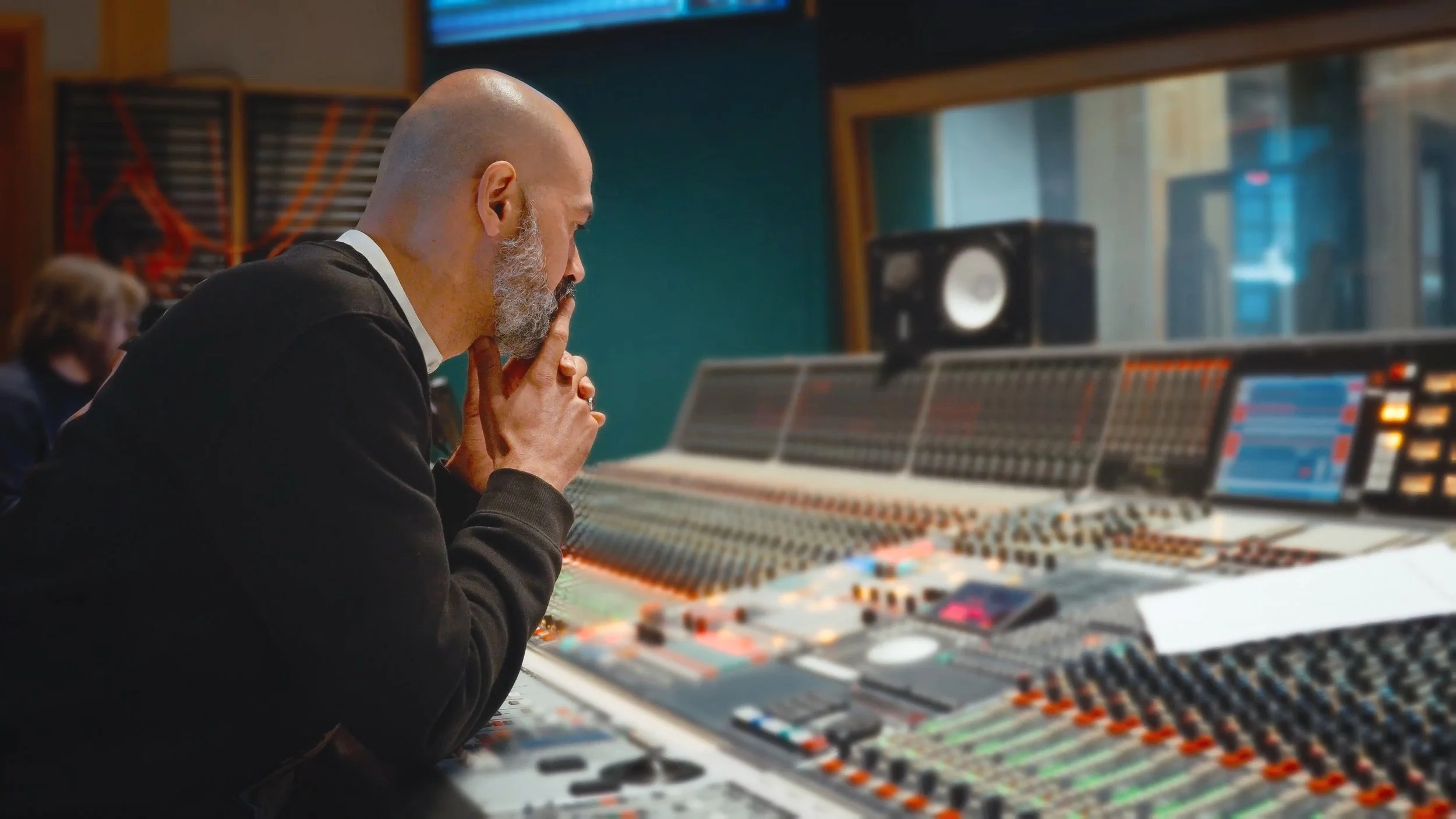
During the pre-production and during the performance, the Abbey Road staff were absolutely amazing. These guys were top tier engineers, and they were used to people filming in their space, and so discussing the logistics of the day with them was an absolute breeze.
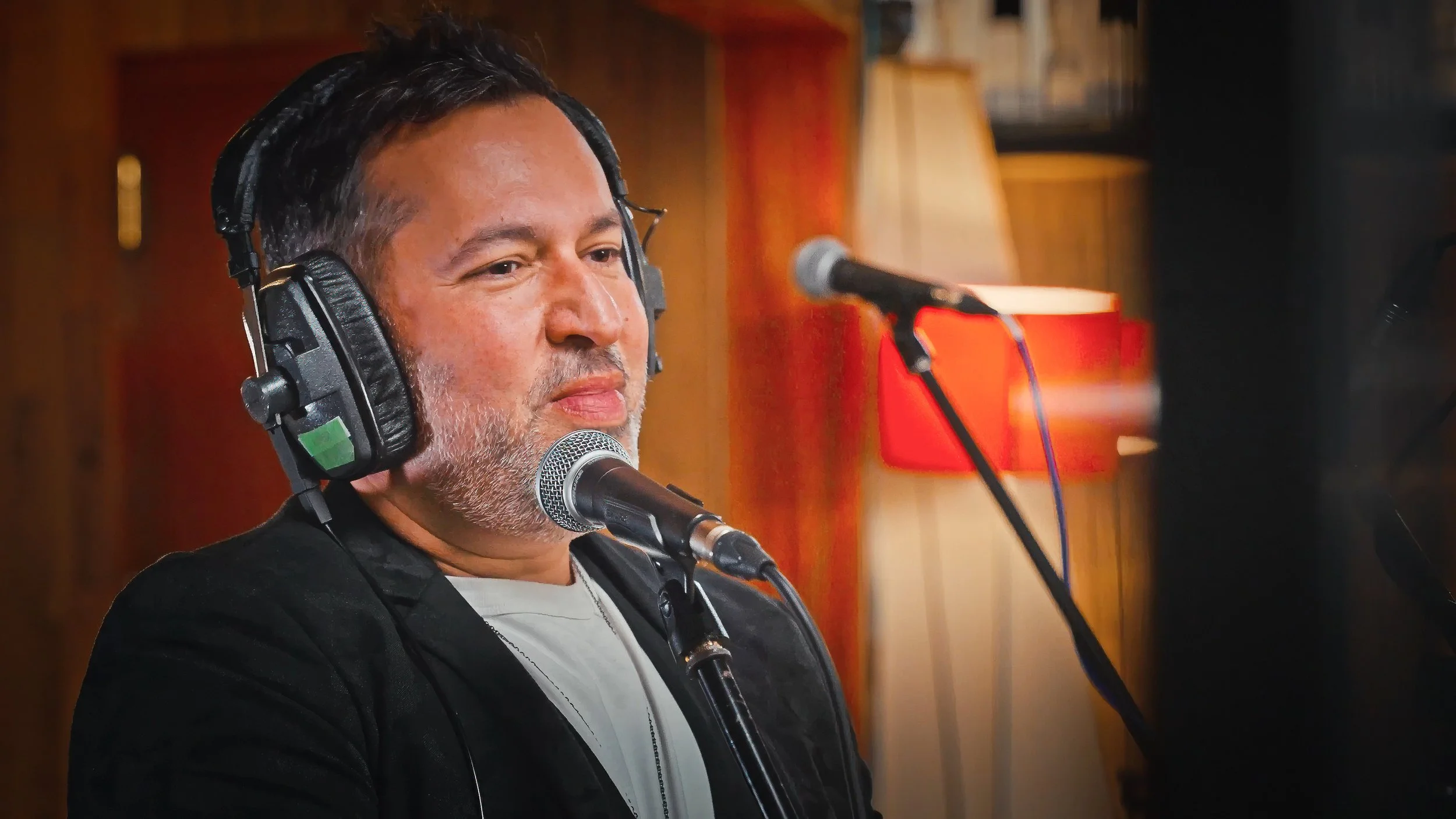
During the actual recording and performance, we kept a very transparent approach to what we were after; always keeping communication lines open. This sometimes meant that also I had to scale back what I was doing with my cameras because these are very sensitive microphones. There were a couple of times where my camera’s screen fan would kick in and would be too overpowering for what they were trying to capture so I would often have to switch off my screen or only have it on for a certain amount of time before it overheated because the microphones would pick it up. This went for things like taking off your shoes too to reduce noise and making sure everyone knew the movements you were about to do so they knew where you were going to be. It was important for the sound quality, but also so as not to shock or surprise the performers!
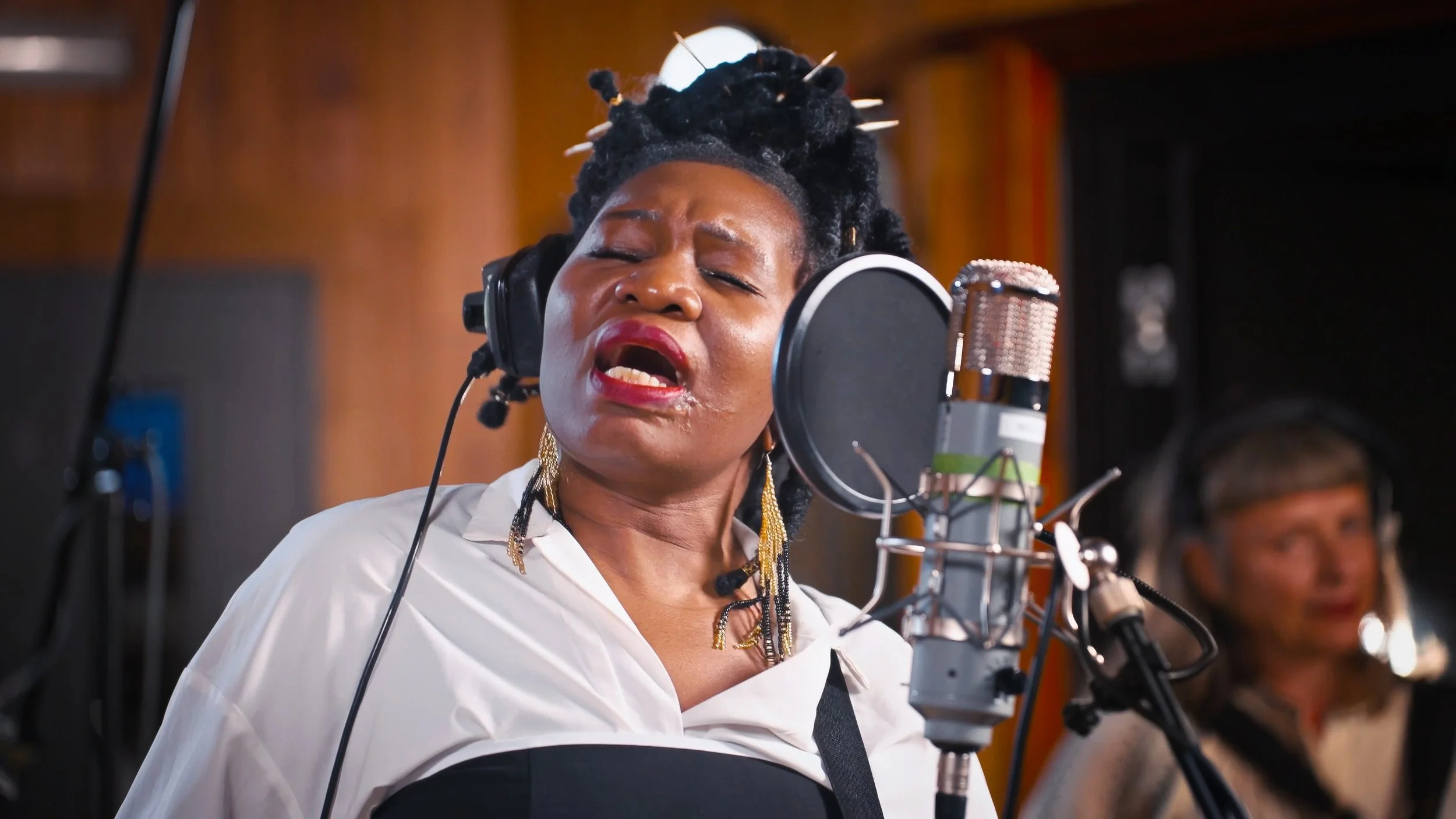
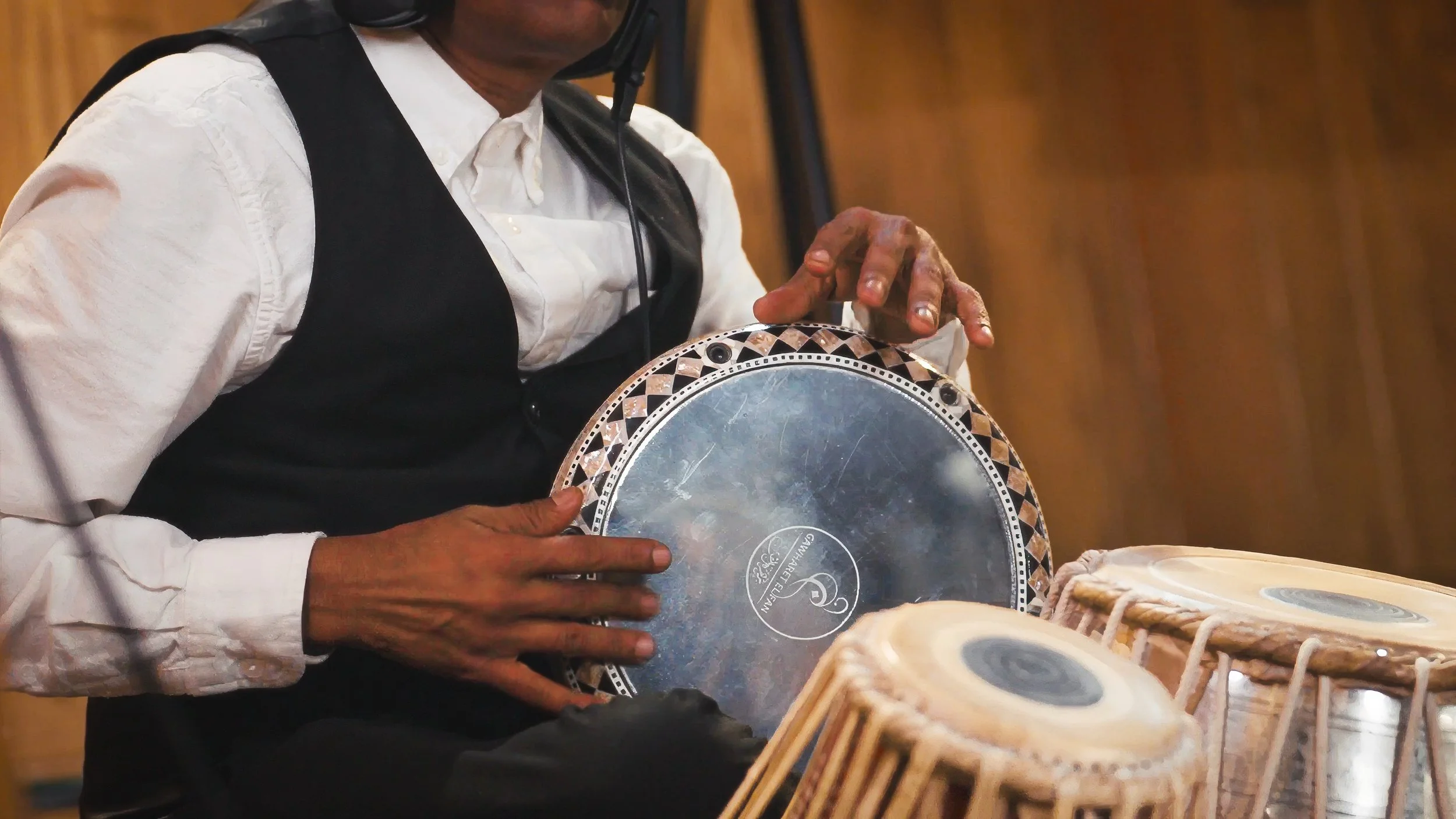
We also mapped out the space and arranged the band with my ‘cameraman journey’ in mind (or Shadow Choreography, in Dance circles). Certain instruments were at the back, then others deliberately set off to the left and right, others placed further forwards, then others even closer to the front again etc. Now we did this in such a particular way that so when we recorded the live versions I was able to start at the back and travel backwards, towards the front of the group, saving the vocalists’ voices. So, in reality, as I was getting the shots of the percussion and the strings and the horns, the vocalists didn't need to sing because they weren't on camera and so they were able to rest their voices. That kind of consideration was really important to everyone's energy on the day but also the quality of the sound recording. It’s important to grab rest where you can!
“Better Together”
This project really reinforced to me the reason why I like working in live events and with art, with musicians and creatives in general.
Whether it was a creative perspective from a technical point of view, like Jay, or whether it was creativity of the musicians, or the creative minds and the producers that put all this together, it was great to be working with professionals who all did their jobs impeccably, but also, importantly, couldn't do their jobs without the other people.
This sense of teamwork was something that as a solo videographer I rarely experience on my own, whereas when working with other people you always get a buzz when things start to click and it almost becomes effortless because everyone knows their place and enjoys what they do. I think enjoyment is so important. That ought to be a major factor in why we do things, right?
I think something that would surprise people watching this and knowing about Abbey Road is that actually how human the whole process is - particularly in this time of people leaning on AI to create all sorts of things and the music industry using library music, and producers working in their bedrooms. It's easy to be intimidated by venues that are quite iconic and creative processes from a time that is placed on a pedestal in our memories and may often seem out of reach today. And I really felt that throughout our shoot – that we were feeling it, and the performers were feeling it, and even the studio’s engineers. We all had this mutual massive respect for a space and a time that most are scared have gone.
It’s nice to know that these energies can be revisited and there are people doing actual work and playing actual instruments and creating atmosphere, and they’re asking audiences to engage with challenging topics all whilst celebrating community.
I would love this project to attract similar clients who are after authentic video representation of their performance. I don’t harp on about it much (pun kind of intended), but I’ve got years of experience with music myself, training in jazz piano as a teen, and teaching piano to the next generation now. What I never stopped to appreciate, but I realise now is an asset, is that I can speak the language of Musicians, and I can read and understand sheet music and scores. This is a huge part of the creative vision and my edits, since I work very closely with music for the story-telling of the video. (Like I said, it’s a universal language, after all!).
You might dabble in classical or it might be chamber music or it might even be a performance in a music venue, but I hope people see this video with One World Orchestra and see the evidence of my experience in Events, of talking that language and managing that environment, and that my passion and where I light up is in capturing the best in people. Not just from a technical point of view or from a video and aesthetic point of view, but also from a holistic point of view.
And I hope that audiences can really, tangibly see that people have a positive experience working with mikebdesigns.