
Training series: All the World’s a SITE AND STAGE
What I find pretty cool - but I forget a lot of the time - is that Video is so multifaceted. We tend to think of collaborating with Video Artists, or hiring someone for their Video and Editing services, as something we invest in when we have a project to shout about or a product to sell. Look at adverts, both on and off the TV – they all say “hey, look at this thing! We’ve given it a little photoshoot to show it in the best light possible, and now we’re showing you!”
But it’s easy to forget that Video is and can be used for so much more than that – that’s just the shiny side of it!
In this article, I’m giving you another perspective by talking about my work on Hybrid Consultancy and Site and Stage. The idea of Site and Stage - or SAS as they're known in their branding - is that they provide the security and the infrastructure for festivals and events. For example, putting down the ground mats that cars may drive on; erecting the fencing to stop intruders coming in; setting up festoon lighting - they do a lot of the (literal!) ground work to help support a festival being safe and secure, and providing the essential structure behind its practical operation.
Keep It Fresh:
Now, Site and Stage wanted to update their training videos, making sure that the information was up-to-date, fresh and informative, and kept up with the younger or more modern demographic who undergo their series of training videos.
These videos needed to inform employees on SAS products, and how to carry out their various uses safely and securely, but the videos also needed to cross the ‘t’s and dot the ‘i’s when it came to keeping in line with their insurance. There are a lot of high stakes things to consider when producing material like this!
The videos were to be useful, to look smart, and to educate on the proper way – or, as Site and Stage say, “the SAS way”.
The Brief specified that there was to be no branding on the video, even with the PPE (Personal Protection Equipment) - which is a far cry from the Specs I often get on selling and celebrating products and brands! It had to be a slick production; clear and informative, but not slow. Yes, these were training videos, but we wanted to make them less likely to induce a deep sleep than some of the ones we’ve all seen from back in the day (even more lethal if you’d just had a big lunch)! Yes, it was training information, but the aim was to deliver it in an even-paced, engaging, modern way, trying to appeal to the demographic. The bottom line? ‘Ditch the dull’.
It was really important to maintain Health and Safety standards throughout the video – which is something that really influenced the Shoot itself, not just the Brief.
We were going to be covering a whole host of training modules and there was plenty to cover – in detail.
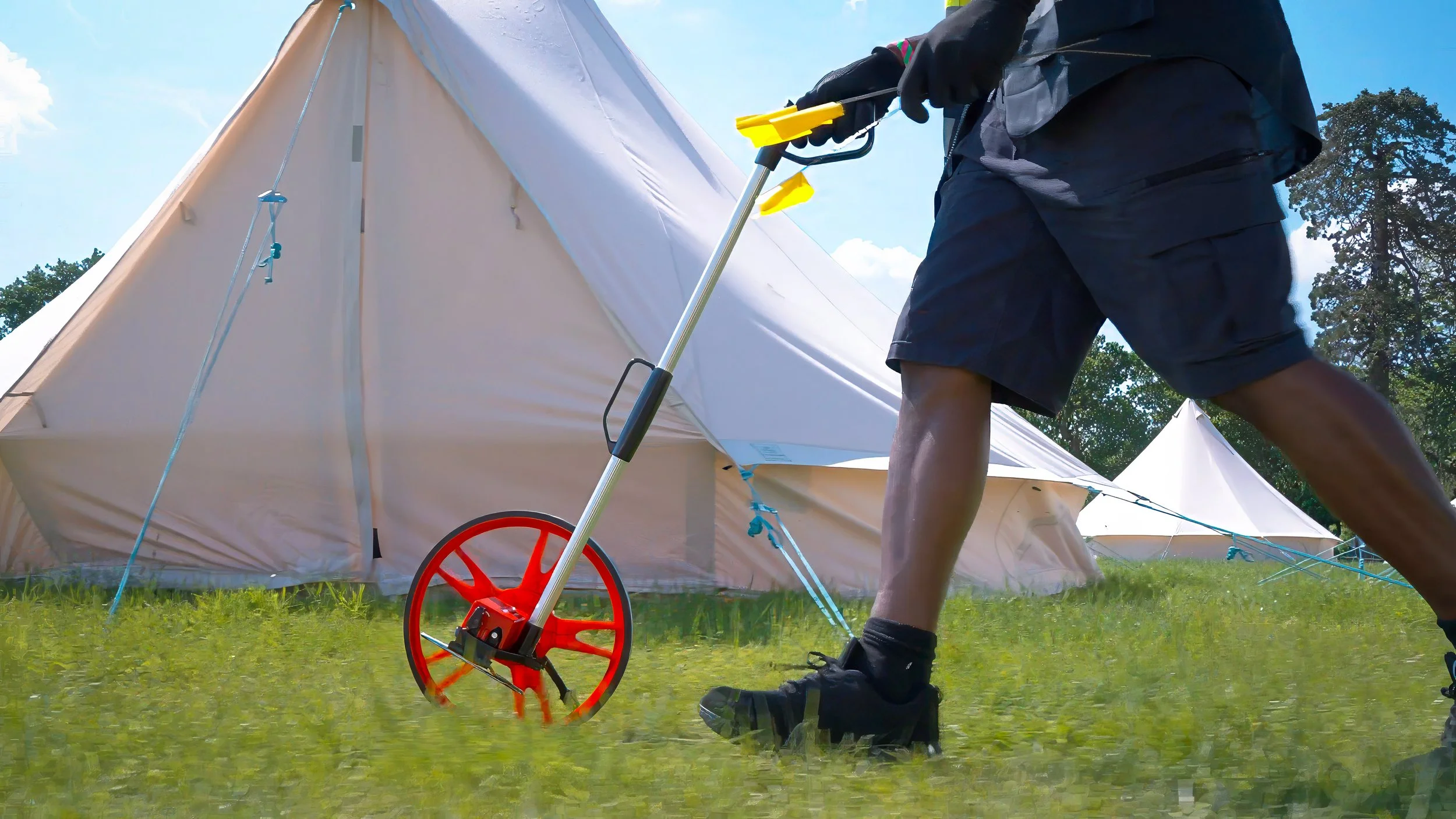
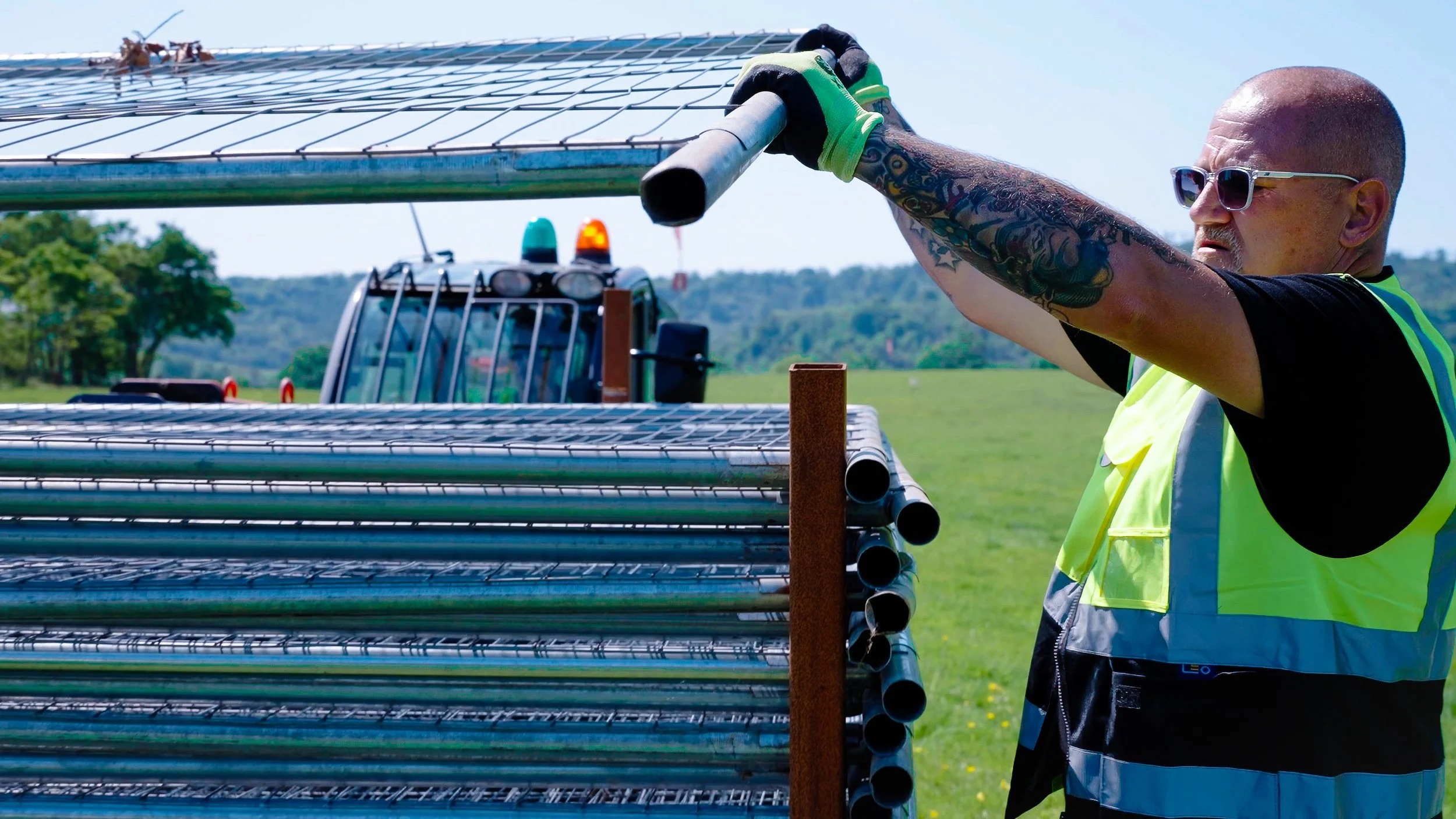
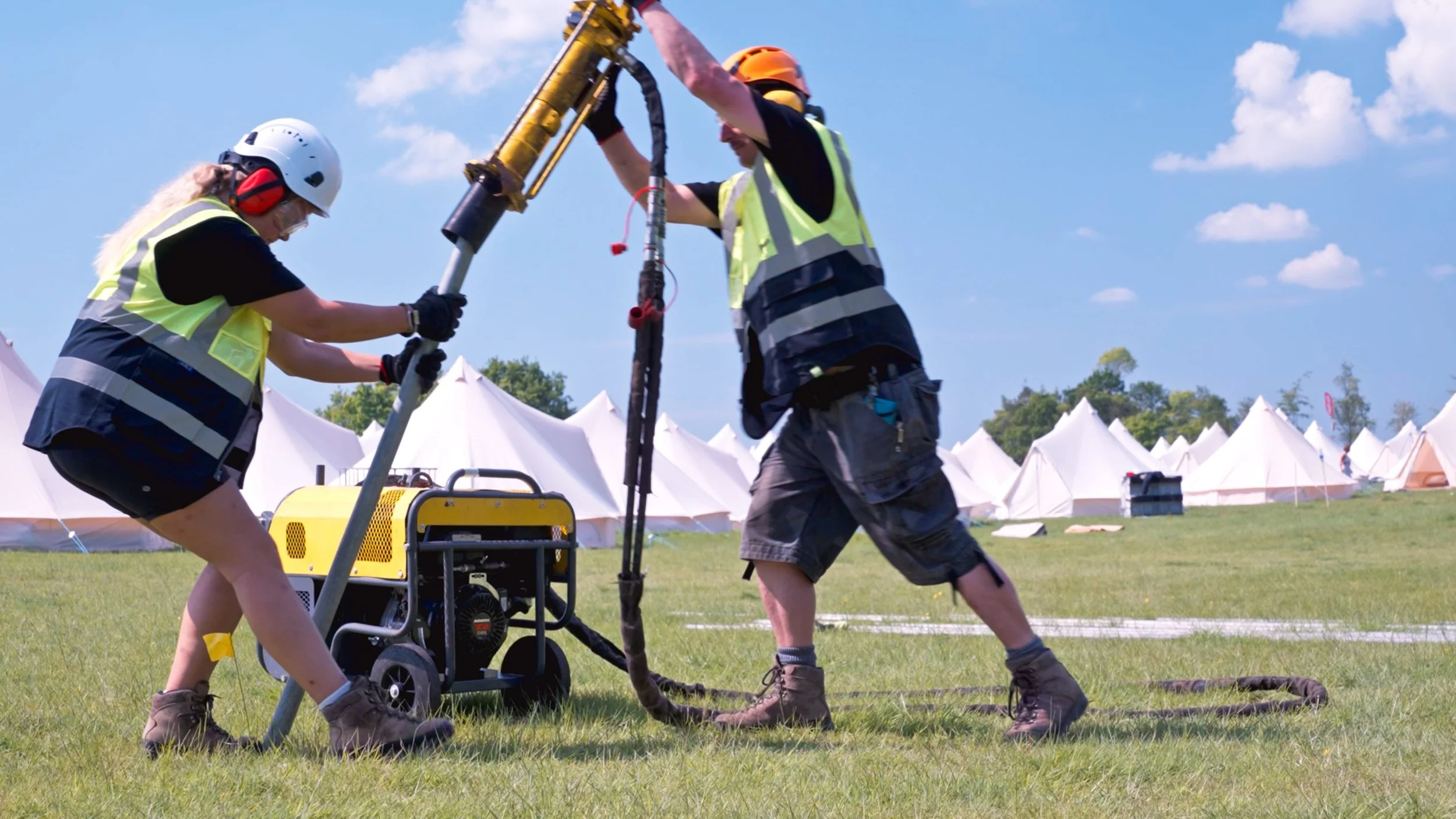
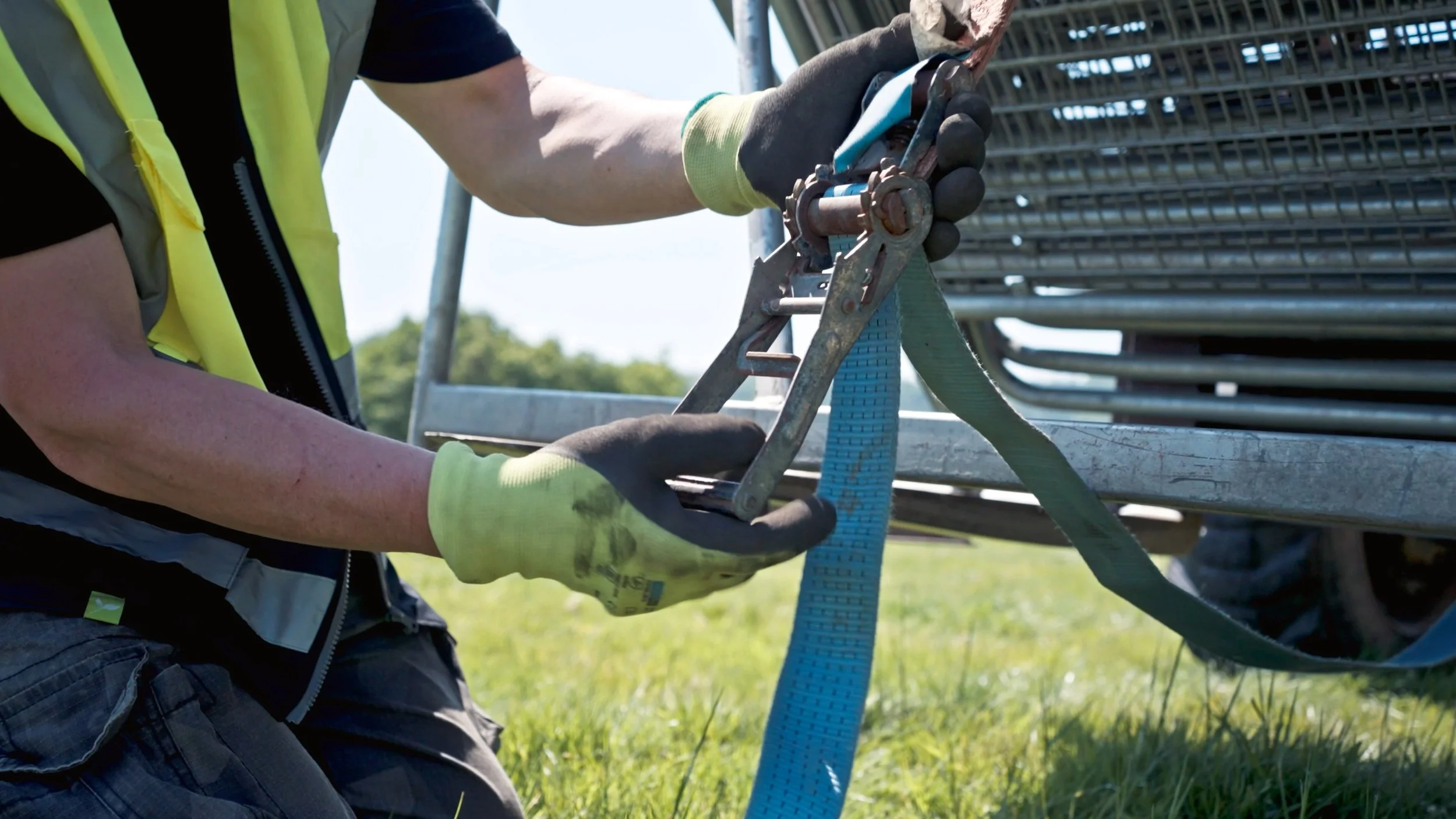
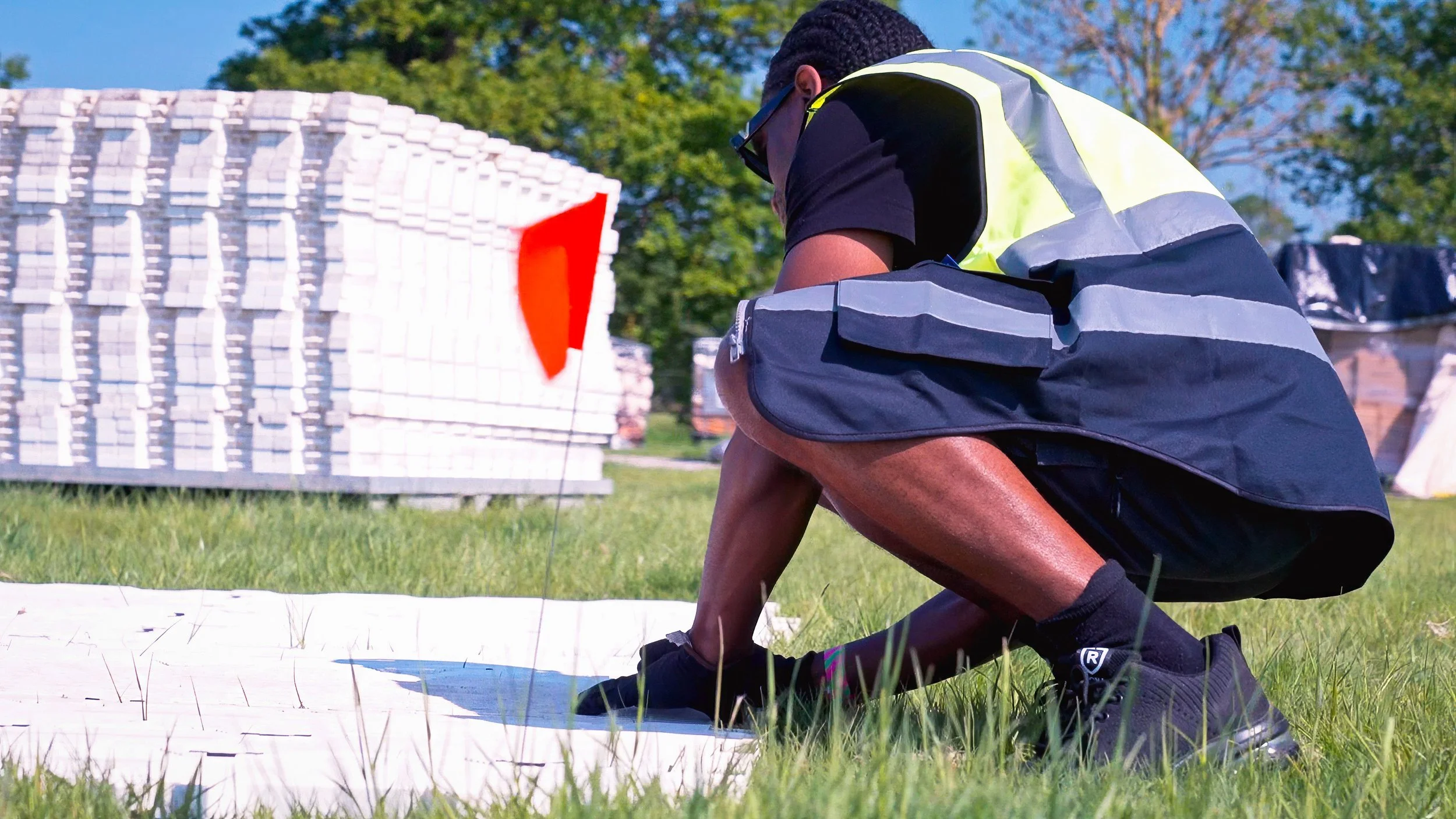
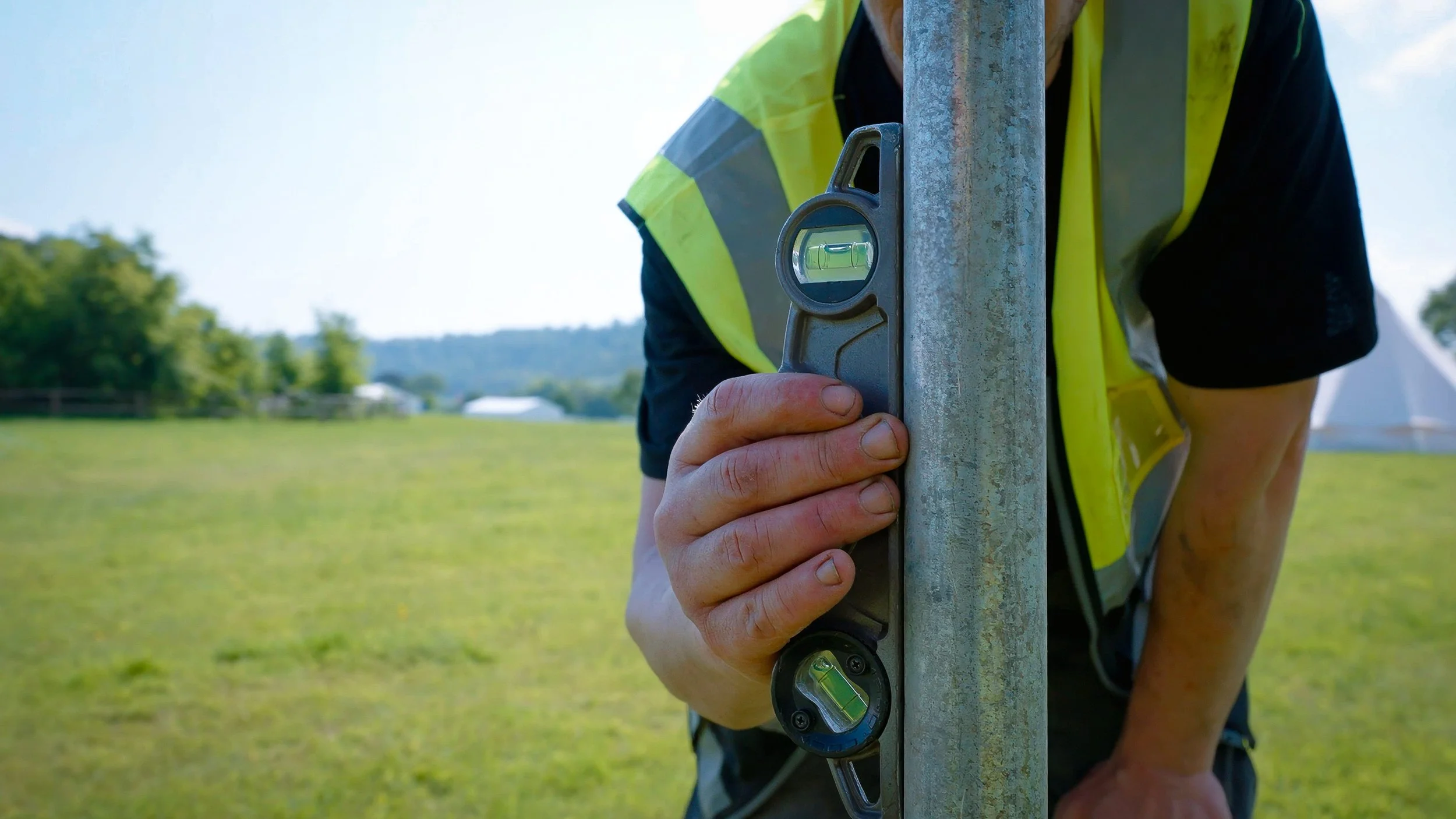
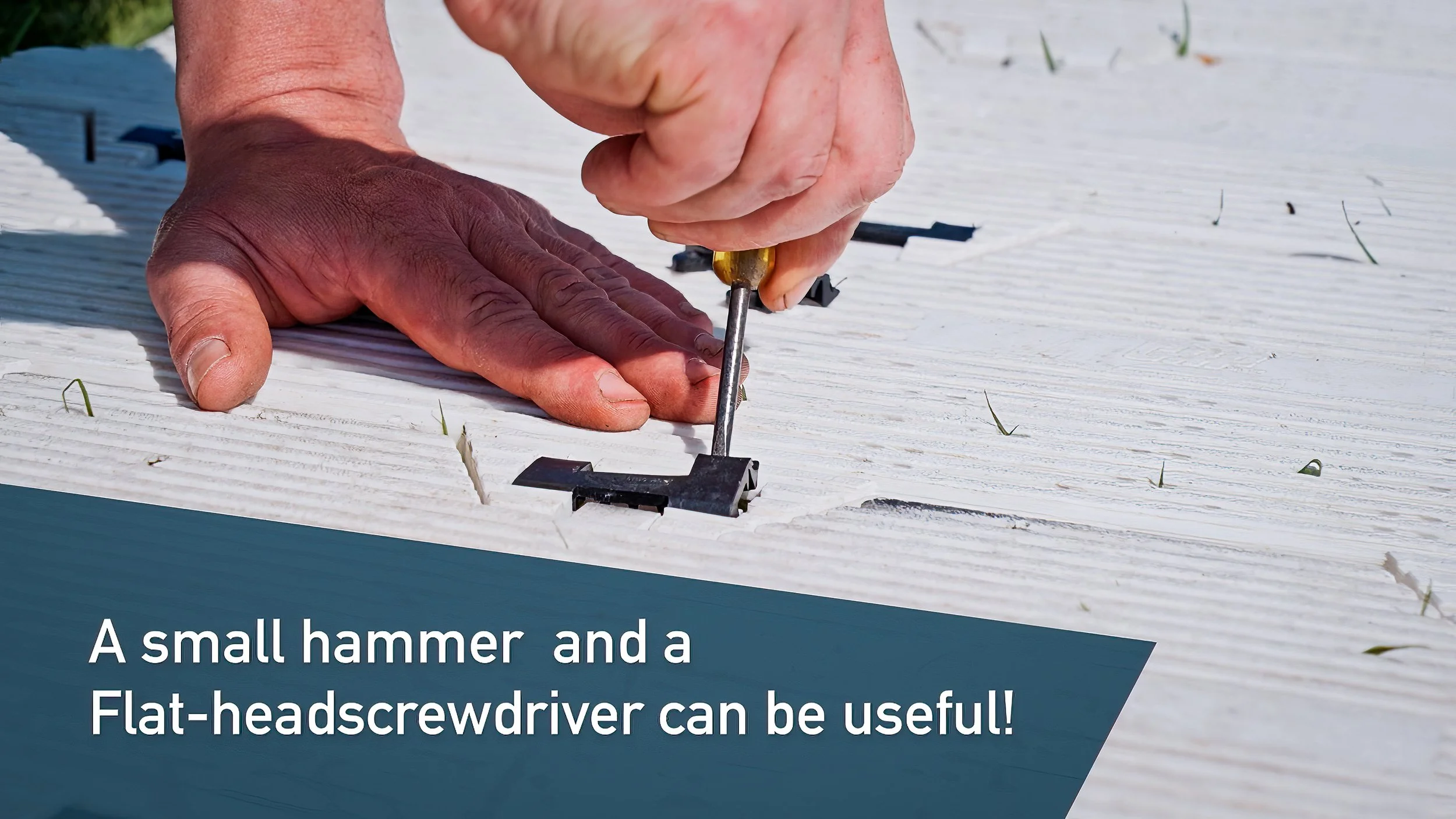
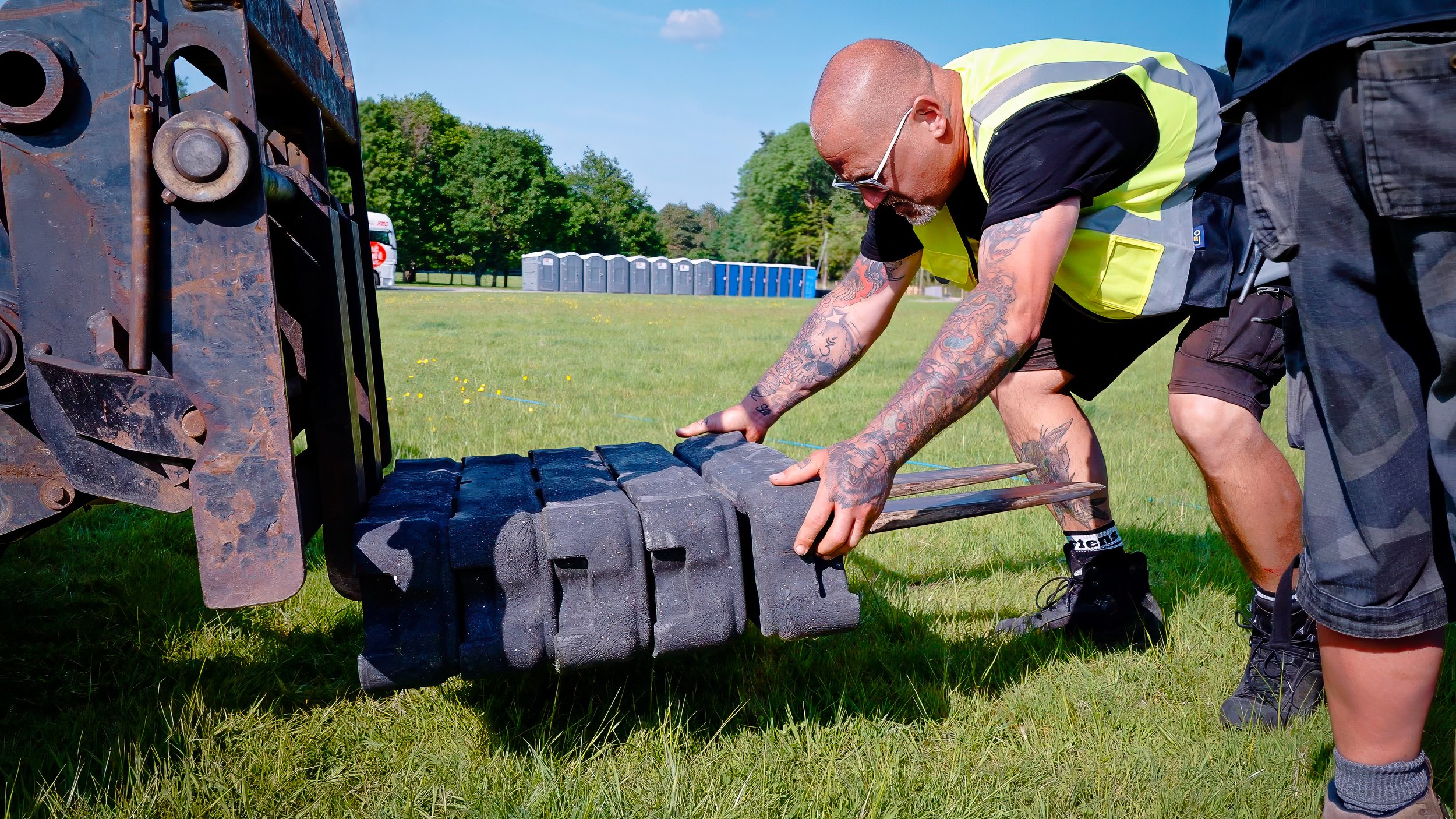
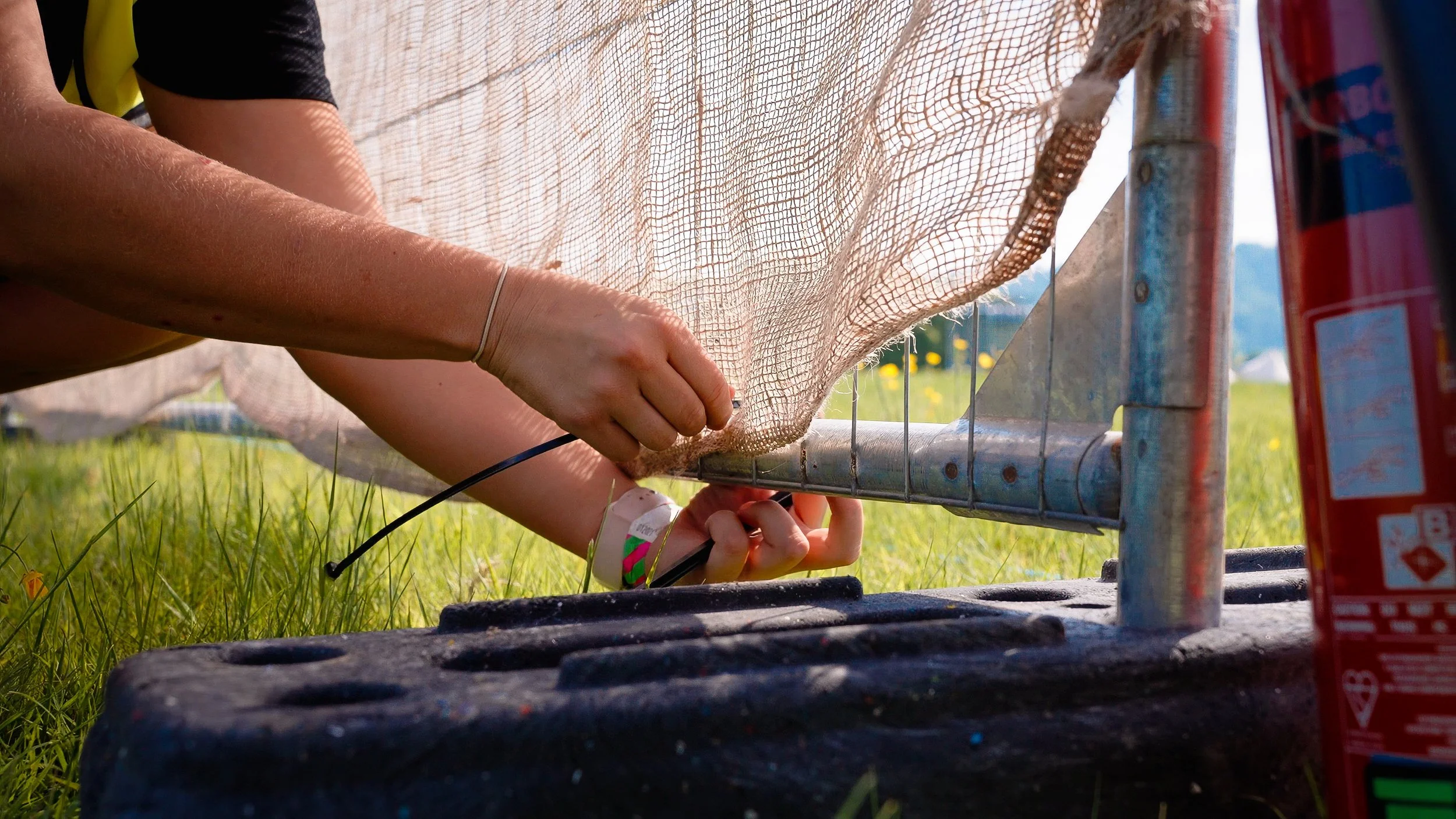
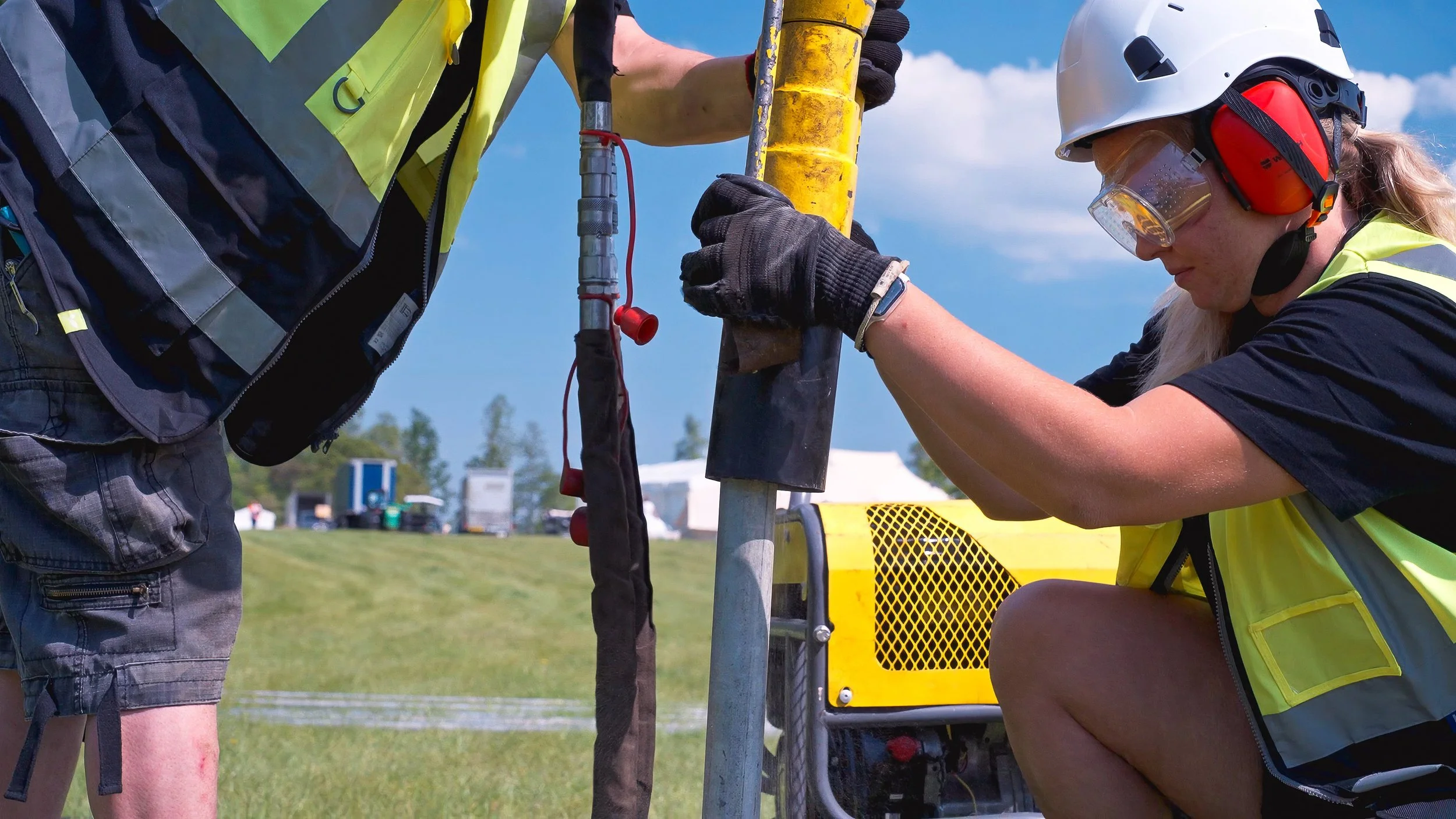
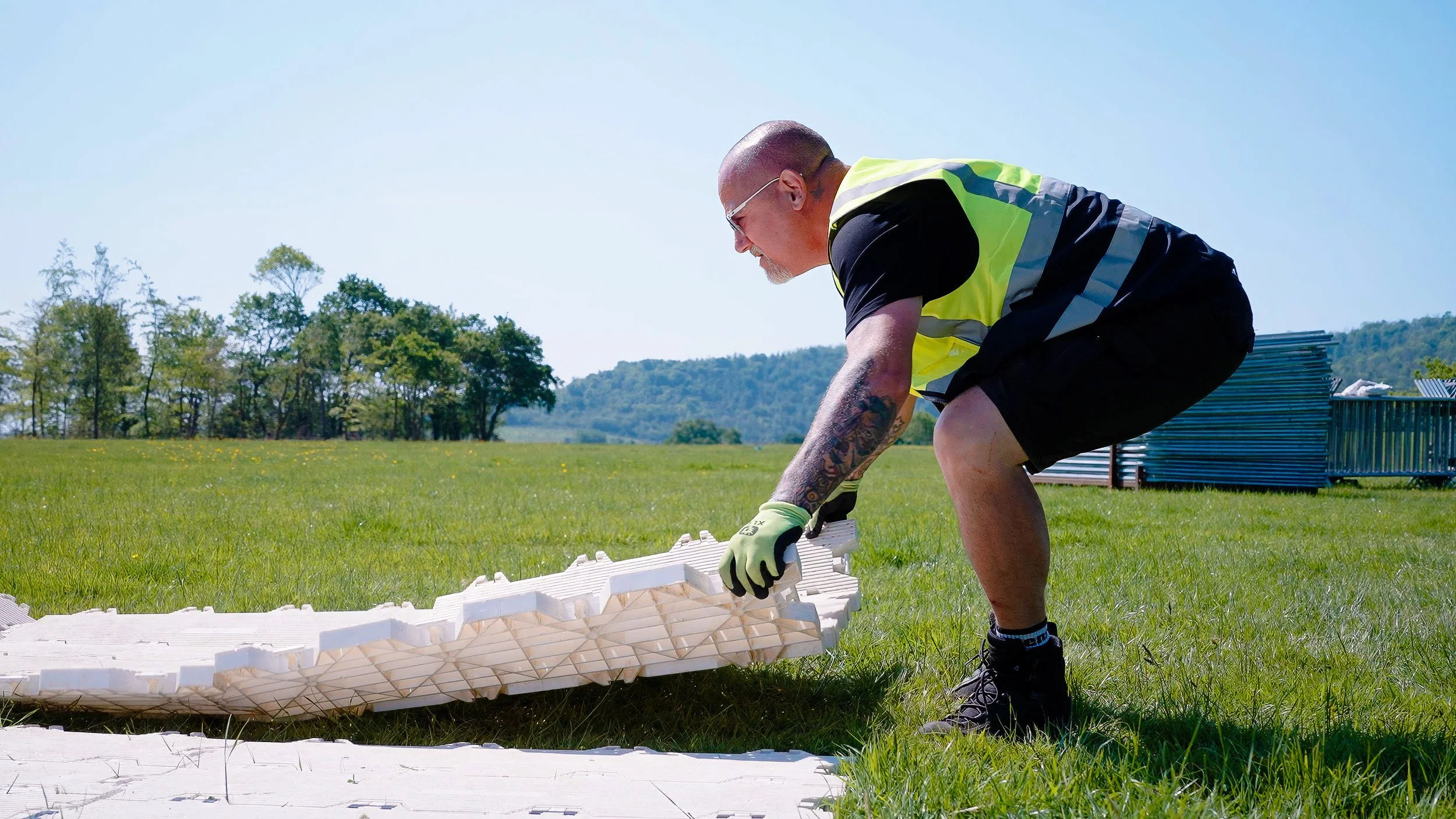
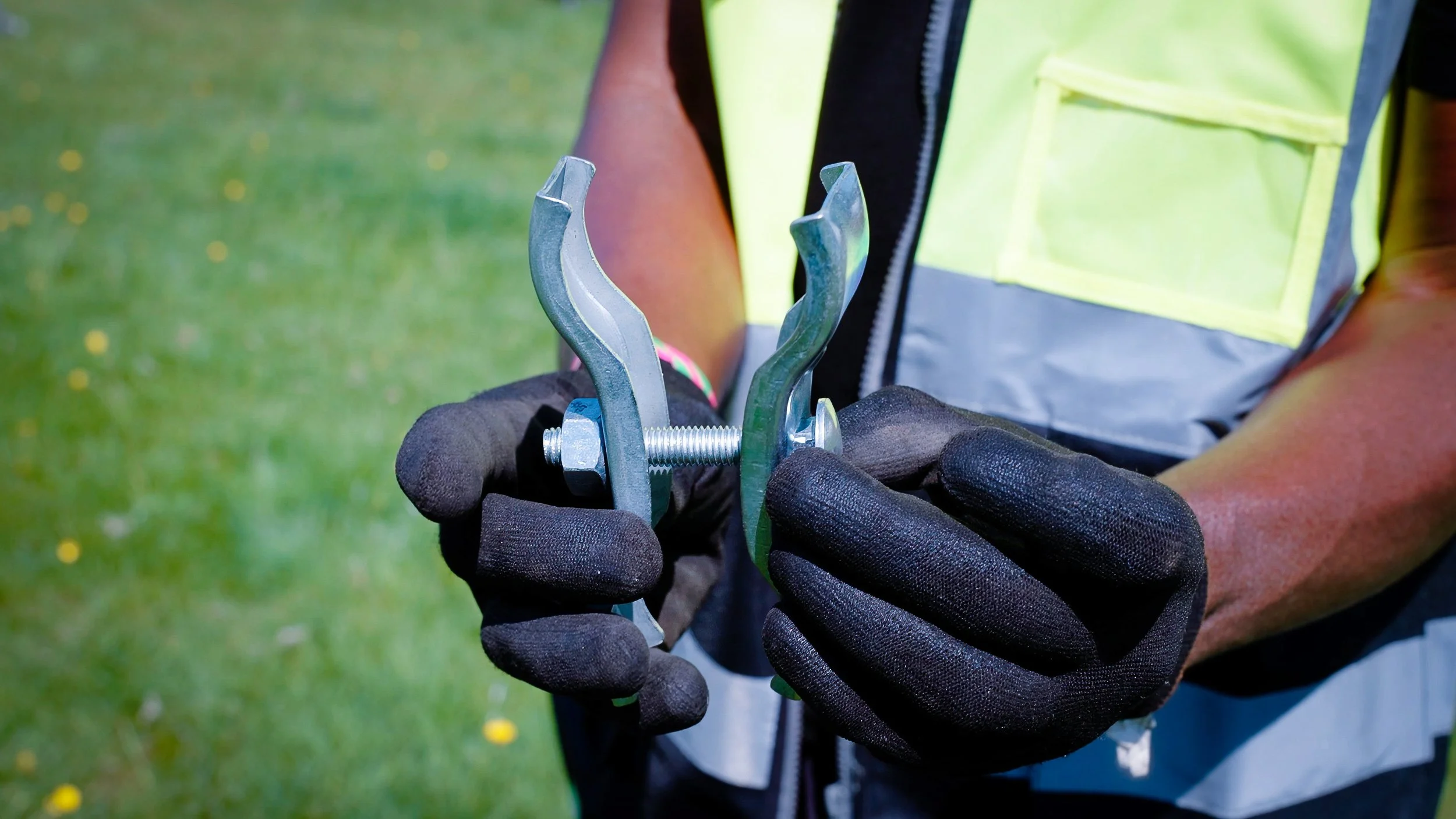
We covered topics such arrival, unpackaging, layout, moving and restacking of pedestrian walkways. Similarly layout process, risk calculation, quality control, collection and restacking, this time for pedestrian fencing. We had ground cover, so the track mat, the super track, the tiger track - all of these different types of track that people moved on or cars moved on – again, we needed to capture the movement, the fitting of the track - two people lifting it - different types of track and ground conditions - pins that kept that track in place (I could go on). All of this had its own specific routine that we needed to capture, because this was what the training was all about. Whether it was groundwork, or festoon lighting or scaffolding assembly, SAS needed it documented for the next generation of workers.
So, what appealed to me about all of this?
“There’s No Business Like Show-Business":
Well, as you should all know by now, I’m a deep and complicated fellow, and something about the high vis jackets... no, I’m kidding, but it does always interest me to move into new territory with my Videography and the different needs that clients have for Video.
The Brief, as I’ve mentioned, was something quite fixed, and not the usual call for ‘creative vision’. It had to be done in a certain manner, and the processes I was shooting had to be absolutely correct by both insurance and health and safety standards, which meant that we had to be very systematic about how we were shooting this on the day. Not only was it imperative to get this right for the next generation of workers, but – frankly - if something was to go to Court, this video might well come up and be an example of the training that they were given.
What excited me about this project was that it was very much in line with my background. Having been in events for over fifteen years, I'm used to watching these sorts of videos, but I'm also used to talking to or navigating the sort of people who are in this industry. Quite often, I know these people will have been doing this job for the best part of a year or so before they even look at the training. They will be trained on the job. And quite often the fiddly formality of the details of the training might be missed by the majority. This was an opportunity to bring a bit of cinematography and a bit of energy to something that a lot of people had previously found dry and dull - that infamous ‘death by PowerPoint’!
One of the most interesting things about this project was that the Site and Stage were trying to incorporate the shooting of these training videos alongside the actual ‘putting on the event’. Logistically, for the company, it didn't make sense to hire all this equipment just to create videos - they might as well do it while they're on a job for something else. For me, this naturally meant that there were going to be a lot of one-time-only opportunities. When I was shooting, I couldn't make people repeat something again and again because we were on a time schedule, and the promised festival also relied on that time schedule being met.
In light of this – to keep things slick – the client and I had quite a few pre-production meetings where we agreed upon the logistics of the day, where people would be, who would be in control of what part of it, and who the people were that would be filmed as part of the shoot.
Another pre-production consideration was that I was also a drone operator on the shoot, so I had to factor in doing my own risk assessments and method statements, particularly because I was going to be flying around a work-site area and encountering members of the public.
Back To My Roots:
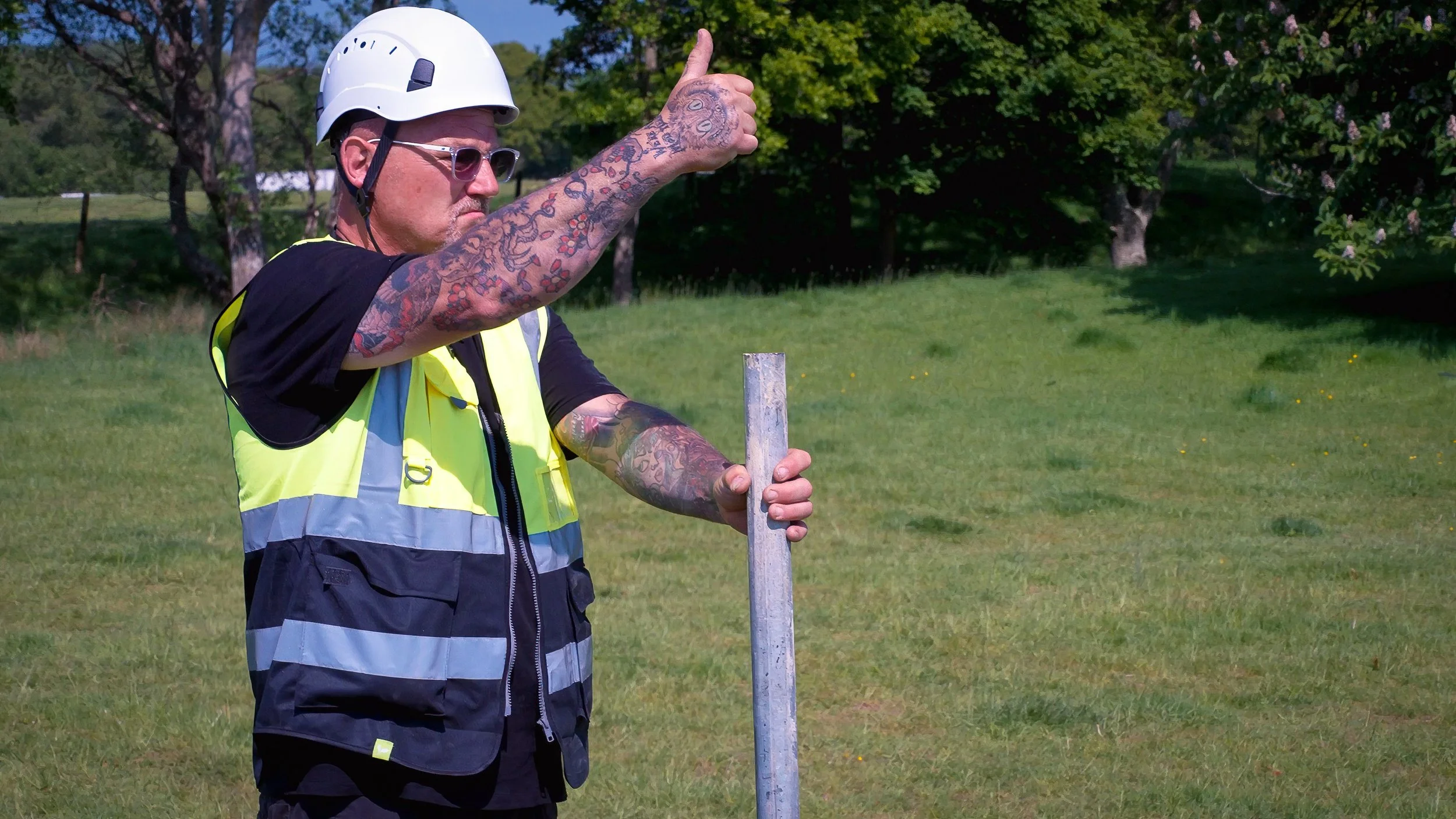
What ended up being something of a joy on the day were the people involved. These were the kind of people that I would have met before in my former ‘Events’ life. I knew they'd probably come from a background of being on the road or touring (ahh, it took me right back to my own days on the road with a Meal Deal at my side, and a hot date with a series of Fresnel lanterns lined up for that night)(those are a type of Theatre light in case you’re now getting worried about me).
These were people who were used to rolling up their sleeves and getting stuck in - Scaffolders, Bricklayers, Roadies – often with an Old School ethic where they just grit their teeth and get on with it. I suppose I was aware that I didn’t want to be that guy who came across like I was teaching these seasoned pros how to suck eggs. They clearly knew how to do their job and had no issue with the manual graft, but I knew we needed to focus on Health and Safety and PPE, and we had to keep it precise. With their experience, and with the time constraints of the schedule, I was cautious that perhaps this would be less of a priority for them. However, I was pleased to find that actually everyone was on board! No need for my apprehension (and no eggs were sucked in the making of this movie).
It was comfortable. Coming from the same Roadie background as I did, I could sit with this crowd quite happily. I was able to join in the banter and offer some of my own stories of where I'd toured to as a professional Lighting and Sound Engineer. And – while I knew we couldn’t take liberties with repeat shots - I was also able to get down next to them and ask someone to do something again – perhaps only two or three times - because I wasn't quite sure on how they were doing it. The thing about these workers is that they do it almost daily, and the routine and the way they do things is sometimes so quick because they can rely on muscle memory and autopilot. So I needed to make sure that I caught all those little moments - those little tricks and tips that the experienced guys could get, but also because I needed to understand what on earth they were doing when it came to my edit and stringing all the shots together in context! (Something else I love about working with Video is that you don’t need to stress yourself out by carrying a notepad and trying to take notes in midst of everything else – the video acts like a dictaphone if you need to ask questions and make note of the answers. Cheeky, eh?)
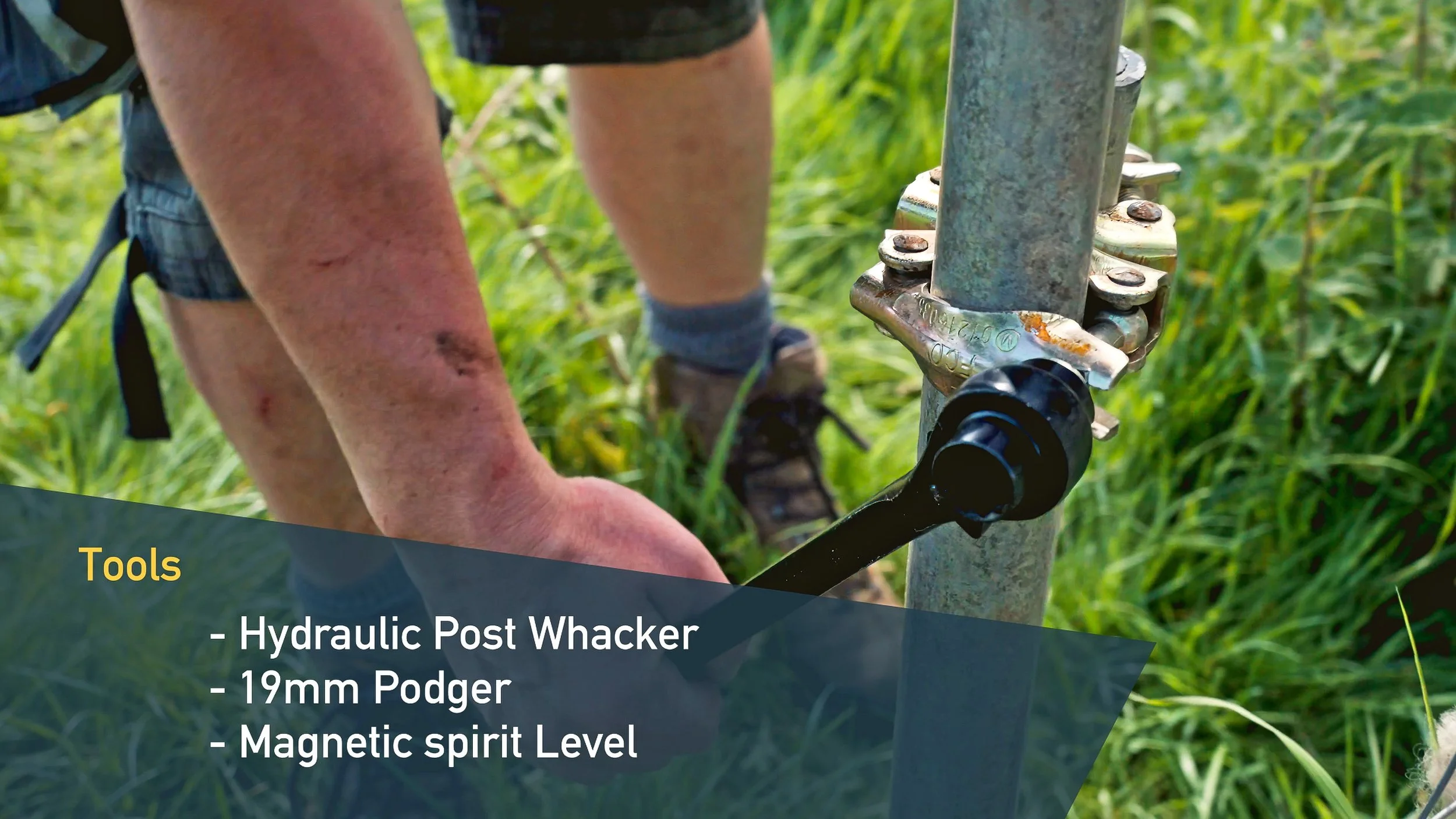
As is often the way with events, everyone has a role to play (Shakespeare thought so too, if you recognise the reference from the title of this article!). No energy is wasted. Quite often, I was in a team of four or maybe five people who were working on a job. Where one person would be doing the putt locks and hammering the scaff into the ground, the next person would be doing the swivel clamps, while a third person may be organising the larger structures. I had to make sure that I was getting the most out of each person, because usually those things all happen in unison and I can't be in three places at once. So, naturally, I was running everywhere, and this was the middle of summer too (As you know, I get quite involved with my shoots and I'm quite often a sweaty wreck by the end of it)! So, I’d film one section, then have to run back and catch the next bit, and then go and talk to someone else about what they were doing and ask them little questions. But I did have to laugh at myself because I was shattered!
‘It’s Not Over ‘Til The Fat Lady Sings’:
In the end, the client was really happy with the videos we produced. They knew the time constraints that we all had and they knew that this was being done alongside trying to host a festival at the same time! It was a hot and sweaty day of all singing and all dancing!
They gave such lovely feedback and, where I can, I like to include their own words on the matter:
“I think the videos are great, excellent job Mike.
Thank you so much for your patience, expertise and all-round easy-to-work with nature - been great working with you”
That was obviously awesome to receive and it made me feel like it wasn't just the videos that they were happy with, but that there was an ongoing relationship too - that they would be happy as a client to work with me again, which is always the goal!
I really do enjoy doing what I do, and I would never want anyone to feel like I hadn't enjoyed my time with them, or that they hadn't come away with a positive impression of me and my services.
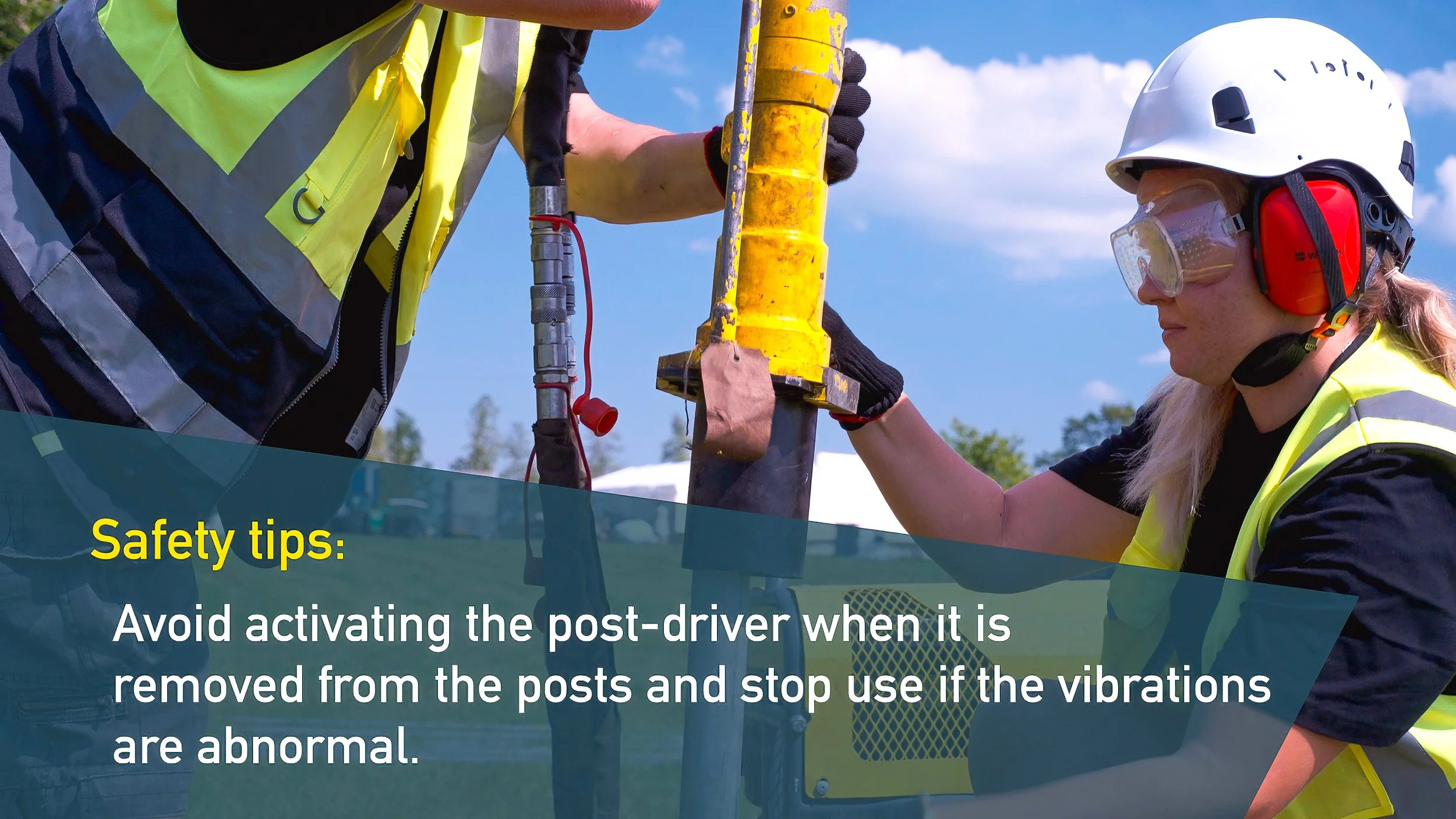
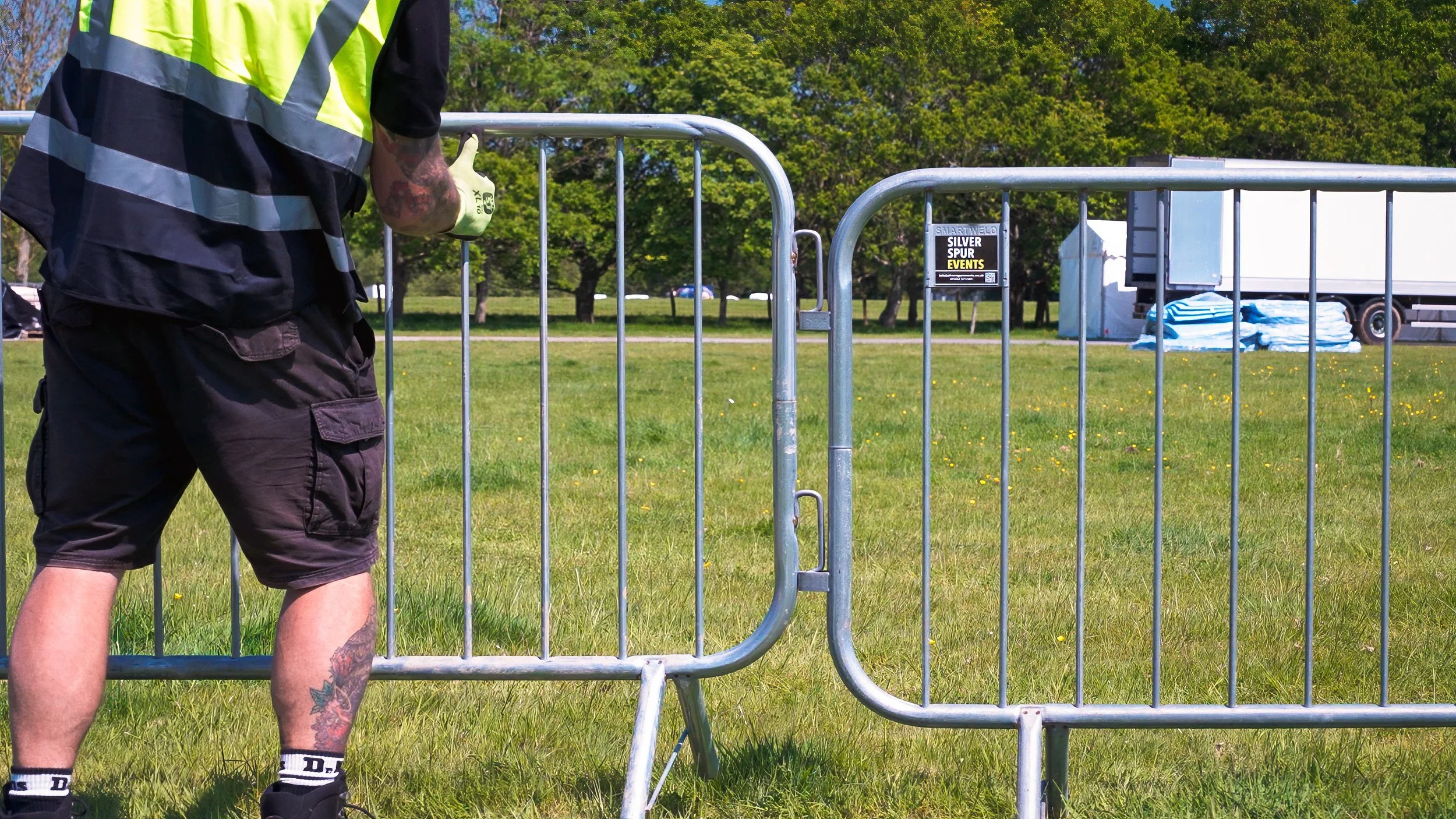
So! Like I said, there’s more to Video than just promos that are seen by the public. This video was for internal use within Sight and Stage and so I won't be showing the video here as that was not its purpose. But it did bring to light how companies can utilise video to better their services, like improving their training or recruitment procedures, or for internal-facing information which could then be updated and modernised. This sort of work is often unseen but supports a company as they strive to be better – even this updating of the training proves that this company is keen to cater to a more visual and kinaesthetic learner, which – in turn – suggests that they care about their staff and the way they can control Quality, both for the staff and by the staff.
Video isn't just for promotional use. Companies, brands, charities - all use video in different ways, and sometimes those are internally facing, as I've pointed out. Recruitment; training; policy information; HR and culture information.
This can be a backbone to a company's infrastructure and ethos, and the way you use Video as a company can reflect how you’re approaching different arenas and responsibilities, or even the current sociopolitical and economic climate.